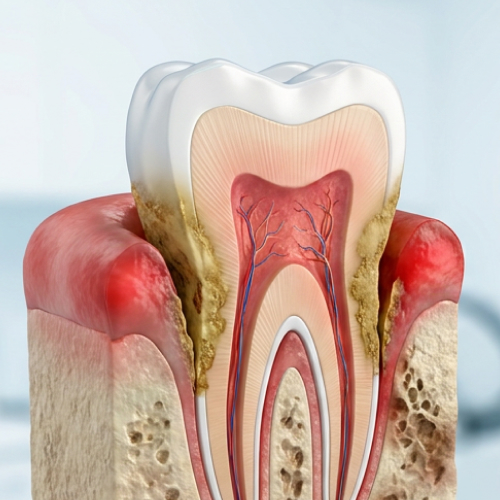
Is Periodontal Disease Contagious and Can Kissing Pass Gum Infection to Partners?
Can kissing pass gum disease? Learn how periodontal disease spreads, what kills oral bacteria, and how to protect your smile. Book your visit today!
Read More
The bacteria that cause gum disease can transfer between partners through saliva, but exposure alone rarely causes disease — your immune response, oral hygiene, and existing plaque buildup determine whether transmitted bacteria actually take hold. If you or your partner recently completed deep cleaning, synchronized treatment matters more than most people realize.
Here's a problem many couples in Bellflower and Downey don't anticipate: one partner completes a time-consuming round of scaling and root planing — and within weeks, the bacterial population in their mouth begins climbing back toward pre-treatment levels. The culprit is often the untreated partner.
This is sometimes called the "ping-pong effect." Periodontal pathogens like Porphyromonas gingivalis transfer readily through deep kissing, shared utensils, or even shared drinks. According to Cleveland Clinic, repeated long-term saliva contact — not brief casual contact — is what meaningfully elevates reinfection risk between partners.
The clinical recommendation that follows from this is straightforward: when one partner has active gum disease gingivitis, their dentist should evaluate the other partner too. Treating both simultaneously — what periodontists call synchronized periodontal therapy — prevents the bacterial seesaw from undermining either person's results.
Practically speaking, dentists generally advise avoiding deep saliva exchange for two to three weeks following scaling and root planing. That window allows soft gum tissue to reattach to the cleaned root surfaces before new bacterial loads challenge the healing environment. A brief kiss carries far less risk than prolonged, deep contact during that recovery period.
Sharing a drink with someone who has gingivitis will not automatically give you gum disease. A Healthline overview of gingivitis explains that saliva actually provides some protection against oral bacteria — and that poor oral health in the recipient is what dramatically increases susceptibility.
Three biological factors must align for transmitted bacteria to cause active disease:
An existing anaerobic niche. Periodontal pathogens are anaerobic — they thrive without oxygen. Calculus deposits, deep gum pockets, and rough restorations create the oxygen-poor micro-environments these bacteria need to colonize. Without that niche, transferred bacteria experience transient colonization and are largely cleared.
An altered host immune response. Stress, uncontrolled pre-diabetes, smoking, and certain medications that cause dry mouth all suppress the body's ability to control bacterial growth. Mayo Clinic notes that gingivitis develops when plaque and tartar accumulate long-term — not from a single bacterial exposure.
A compromised salivary pellicle. Saliva's protective proteins form a thin film over teeth and gums. Dehydration, mouth breathing, and certain medications reduce salivary flow, weakening this first line of defense.
The takeaway: bacterial transmission is common. Clinical disease requires the right host conditions. Maintaining excellent oral hygiene — including regular cleaning and exam appointments — is what keeps those conditions from developing.
Many people reach for chlorhexidine or hydrogen peroxide rinses hoping to eliminate the bacteria responsible for gum disease. These products have real value — but a fundamental physical barrier limits what any liquid rinse can accomplish.
Rinses penetrate only about 1–2mm into the gingival sulcus. Research published in PMC identifies anaerobic pathogens like Porphyromonas gingivalis and Treponema denticola as the primary drivers of periodontal destruction — bacteria that colonize pockets measuring 4mm or deeper. At those depths, antimicrobial rinses simply cannot reach.
This is why mechanical disruption of the subgingival biofilm must come first. Ultrasonic scaling physically breaks apart the structured bacterial communities clinging to root surfaces below the gumline. Only after that disruption do antimicrobial agents — whether rinses, locally delivered gels, or systemic antibiotics — have meaningful access to the pathogens they target.
Using mouthwash without addressing subgingival calculus is like spraying disinfectant on a sealed container. The surface looks clean while the problem continues undisturbed. Harvard Health also underscores why this matters beyond your mouth — oral bacteria linked to gum disease have been found in atherosclerotic blood vessels, connecting untreated periodontal disease to cardiovascular risk.
Gingivitis is reversible. Periodontitis — the stage involving bone loss — is not, though it can be managed effectively with professional care. WebMD's overview of gum disease confirms that gum disease is the leading cause of tooth loss in adults, making early intervention the most important factor in long-term outcomes.
Watch for these signs in yourself or your partner: gums that bleed when brushing, persistent bad breath, gums that look red or swollen, or teeth that feel loose. None of these symptoms should be managed with home remedies alone. In some cases, advanced disease may require an endodontic root canal or even a tooth extraction if infection has spread beyond the gum tissue.
If one partner has been diagnosed, the other should schedule an evaluation — not as a precaution, but as a practical step in making treatment last.
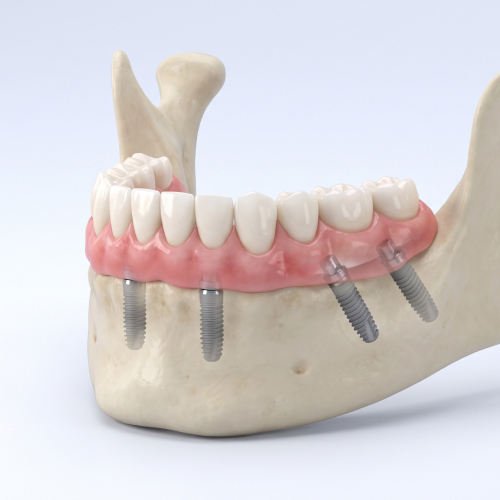
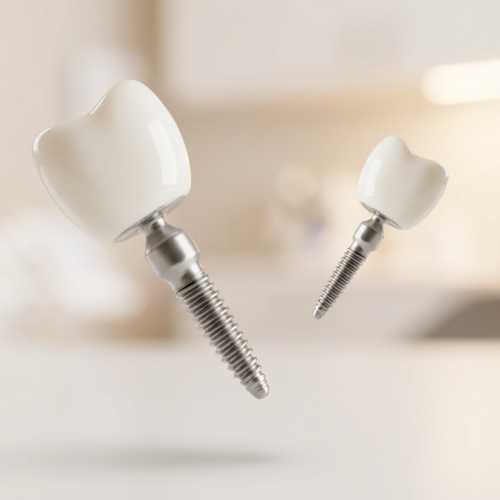
Bellflower Dental Group provides comprehensive periodontal evaluations for patients throughout Bellflower and the greater Southeast Los Angeles area. Whether you have active gum disease symptoms or want to confirm your gums are healthy before your partner begins treatment, our team is here to help you get clear answers and effective care. We also offer dental implants for patients who have experienced tooth loss due to advanced periodontal disease. Contact us to schedule your appointment.
Medical disclaimer: This article is for informational purposes only and does not constitute professional dental or medical advice. Please consult a licensed dental professional for diagnosis and treatment recommendations specific to your situation.
Fresh news from the dental world...


Mon - Fri 9AM - 6PM
Saturday 9AM - 3PM
Sunday Closed
Check out what our patients are saying in Bellflower, CA...


“Great customer service!”
Great customer service and attentive staff! My 3 year old enjoyed his visit! Yes, I said he enjoyed it! He had to have X-rays done, and I was so worried that he wasn't gonna be a happy camper but the X-ray tech, Dominique, is so good with kids! The X-rays were fast and painless! Overall a great experience!

“Surpasses my expectations!”
Amazing staff! My experience at Bellflower Dental Group was outstanding. I highly recommend this dental group. I come to them for my braces, their ortho is incredible, the highlight of this dental group. The staff is amazing, their employees are so kind and take the time to perfect your braces.

“I love this dental office!”
I have been coming here for years. It is a one-stop-shop! You can get your x-rays, cleaning, braces, labs, dentures, toothbrushes, and more all right here. The staff is great, and they try to work with you if you need a payment plan. Never had any issues with any of the work done here!
“Great customer service!”
Great customer service and attentive staff! My 3 year old enjoyed his visit! Yes, I said he enjoyed it! He had to have X-rays done, and I was so worried that he wasn't gonna be a happy camper but the X-ray tech, Dominique, is so good with kids! The X-rays were fast and painless! Overall a great experience!
“Surpasses my expectations!”
Amazing staff! My experience at Bellflower Dental Group was outstanding. I highly recommend this dental group. I come to them for my braces, their ortho is incredible, the highlight of this dental group. The staff is amazing, their employees are so kind and take the time to perfect your braces.
Check out our accreditations, sources, and relationships in the wide world of dentistry...


Check us out and follow our Bellflower, CA practice on social media...


