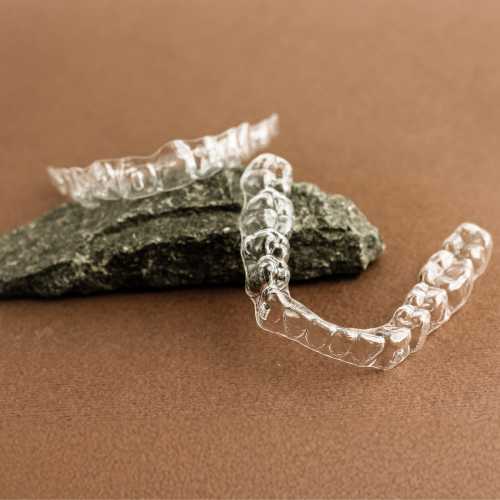
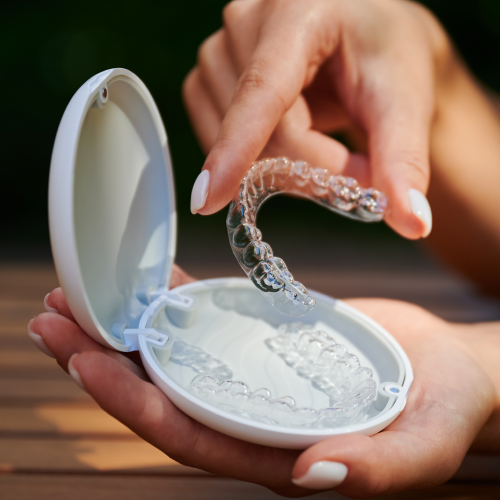
Can Your Local Dentist Office Do Invisalign — And Should They?
Wondering if your local dentist offers Invisalign? Learn how to find a qualified provider and what to expect during treatment. Schedule your visit today!
Read More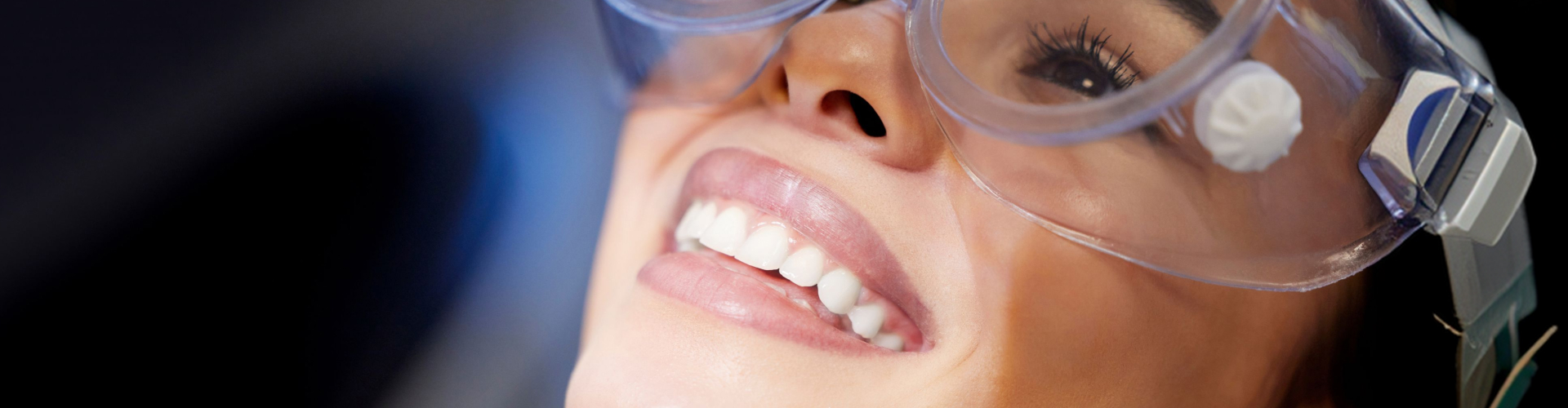
Professional teeth whitening delivers noticeably brighter results than store-bought products, but the total commitment involves more than a single appointment. Understanding what happens before the bleach is applied — and what happens to existing dental restorations afterward — helps you make a genuinely informed decision.
Here's what surprises many patients: whitening cannot safely begin on teeth that haven't been properly evaluated first.
High-concentration peroxide gels — the kind used in professional in-office treatments — range from 15% to 43% hydrogen peroxide, according to WebMD's teeth whitening overview. Applied over active plaque, undetected micro-cavities, or inflamed gum tissue, those concentrations can cause chemical irritation to the pulp and gum burns. No responsible dentist skips this step.
That means your whitening journey typically starts with a clinical exam, a cleaning and exam, and often diagnostic X-rays. The good news? Most dental insurance plans cover preventive and diagnostic codes — the exam, the cleaning, and bitewing X-rays — even when they deny the cosmetic whitening procedure itself. If you're due for your regular checkup anyway, that pre-whitening prep may cost you little to nothing out of pocket under a standard plan.
The clinical gate also includes a shade assessment and a review of your existing restorations — which brings us to the next critical issue.
This is the most overlooked factor in teeth whitening planning, and it matters enormously for patients in Southeast Los Angeles communities like Bellflower and Downey, where cosmetic dental work is increasingly common.
Peroxide bleaching agents — both carbamide peroxide and hydrogen peroxide — work by chemically altering stain molecules inside natural tooth enamel. They do not change the color of porcelain crowns, composite bonding, veneers, or any other dental restoration. The ADA's clinical whitening overview confirms that OTC and professional whitening products affect only natural enamel, not restorative materials.
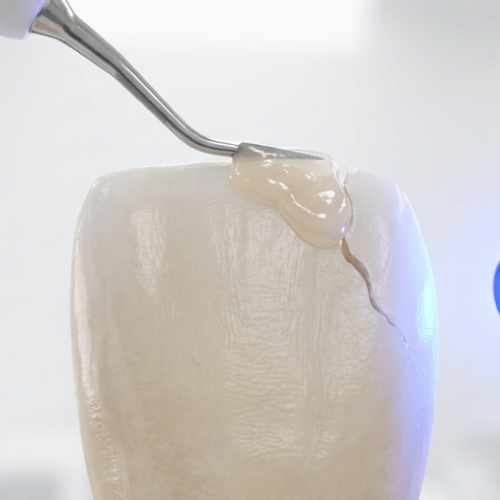
This creates a real shade-mismatch risk. If you have visible anterior composite bonding or a tooth crown on a front tooth, whitening your natural teeth several shades brighter can make those restorations look noticeably darker by comparison. Correcting the mismatch means replacing the restorations to match your new tooth color — an unplanned secondary expense.
Before committing to whitening, do a quick restoration audit:
Skipping this audit is the single most common reason patients are disappointed with whitening outcomes, even when the procedure itself goes perfectly.
Professional whitening isn't a one-time event for most people. Whitening results are temporary. Cleveland Clinic's dental whitening guidance explains that tooth sensitivity and gradual re-staining are normal outcomes, and that ongoing habits — coffee, tea, red wine, tobacco — accelerate regression.
That makes the choice between in-office sessions and dentist-prescribed custom trays more than a matter of preference. It's a long-term financial and lifestyle decision.
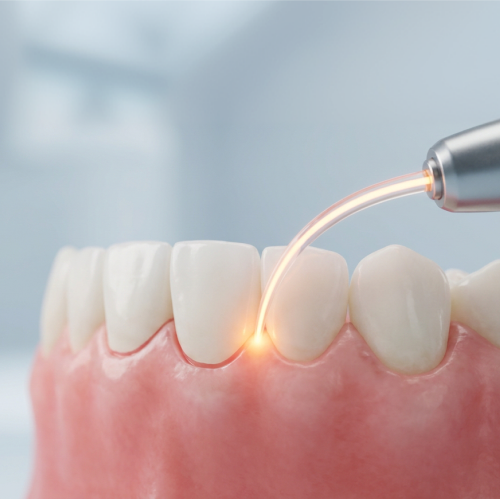
In-office power bleaching (including LED or laser-activated systems) delivers dramatic results in a single visit — often three to eight shades brighter, as Healthline's laser whitening overview notes. Results typically last anywhere from several months to three years depending on diet and oral hygiene. When staining returns, the process repeats.
Dentist-prescribed custom trays use lower-concentration carbamide peroxide gel in a precisely fitted tray made from an impression of your teeth. Mayo Clinic's teeth whitening Q&A notes that results from custom tray systems often last approximately two years, with the option to do brief touch-up sessions using inexpensive refill gel.
Over a 36-month window, the math tends to favor custom trays for most patients. The upfront investment is moderate, but the ongoing maintenance is minimal — a short touch-up session every several months using refill gel keeps results consistent without returning for full repeated in-office treatments. Patients who smoke or drink heavily pigmented beverages daily may find they need more frequent touch-ups regardless of which method they choose.
The right answer depends on your timeline, your lifestyle, and what your dentist observes during the clinical evaluation.
For most patients with healthy teeth and realistic expectations, yes — with two conditions.
First, the prep work matters. Whitening over untreated gum disease or cavities risks real harm. The pre-whitening clinical steps aren't bureaucratic hurdles; they're what separates a safe outcome from a painful one.
Second, existing dental work changes the calculus. Patients with visible restorations in the smile zone need an honest conversation with their dentist before committing — not after.
When those boxes are checked, professional whitening outperforms OTC alternatives in both speed and degree of shade change. At-home strips and gels typically lighten teeth by one to two shades over two weeks, while professional-strength systems can achieve three to eight shades of improvement, according to Healthline's teeth whitening overview. For patients interested in a complete smile transformation, aesthetic dentistry options can complement whitening results for a more comprehensive outcome.
Bellflower Dental Group serves patients throughout Bellflower and the surrounding Southeast Los Angeles area. Our team conducts thorough pre-whitening evaluations — including a full restoration audit — so you understand exactly what your pro teeth whitening plan involves before any treatment begins. Contact us to schedule a consultation.
Medical disclaimer: This article is for informational purposes only and does not constitute professional dental or medical advice. Individual results vary. Consult a licensed dental professional before beginning any whitening treatment.
Fresh news from the dental world...


Mon - Fri 9AM - 6PM
Saturday 9AM - 3PM
Sunday Closed
Check out what our patients are saying in Bellflower, CA...


“Great customer service!”
Great customer service and attentive staff! My 3 year old enjoyed his visit! Yes, I said he enjoyed it! He had to have X-rays done, and I was so worried that he wasn't gonna be a happy camper but the X-ray tech, Dominique, is so good with kids! The X-rays were fast and painless! Overall a great experience!

“Surpasses my expectations!”
Amazing staff! My experience at Bellflower Dental Group was outstanding. I highly recommend this dental group. I come to them for my braces, their ortho is incredible, the highlight of this dental group. The staff is amazing, their employees are so kind and take the time to perfect your braces.

“I love this dental office!”
I have been coming here for years. It is a one-stop-shop! You can get your x-rays, cleaning, braces, labs, dentures, toothbrushes, and more all right here. The staff is great, and they try to work with you if you need a payment plan. Never had any issues with any of the work done here!
“Great customer service!”
Great customer service and attentive staff! My 3 year old enjoyed his visit! Yes, I said he enjoyed it! He had to have X-rays done, and I was so worried that he wasn't gonna be a happy camper but the X-ray tech, Dominique, is so good with kids! The X-rays were fast and painless! Overall a great experience!
“Surpasses my expectations!”
Amazing staff! My experience at Bellflower Dental Group was outstanding. I highly recommend this dental group. I come to them for my braces, their ortho is incredible, the highlight of this dental group. The staff is amazing, their employees are so kind and take the time to perfect your braces.
Check out our accreditations, sources, and relationships in the wide world of dentistry...


Check us out and follow our Bellflower, CA practice on social media...


