Dental Bridge vs Implant: Which Is Better for Cost, Pain, and Longevity?
Comparing a dental bridge vs implant? Explore cost, pain levels, and longevity to choose the best option for your smile. Book your consultation today!
Read More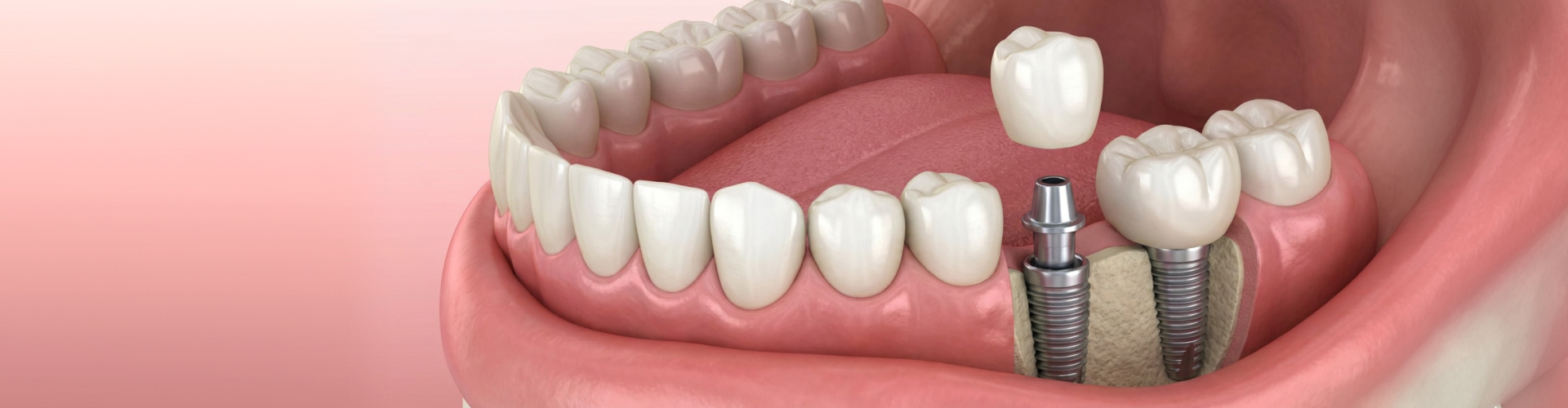
Dental bridges and implants both replace missing teeth, but they differ significantly in how they feel during recovery, how long they last, and what happens to your mouth over time. Understanding the full picture — not just the day-one comparison — helps you make a decision you won't regret years later.
For Bellflower-area patients, most comparisons stop at "which hurts more on the day of the procedure." That framing misses something important.
Getting a dental bridge requires your dentist to file down the two healthy teeth on either side of the gap. Those are called abutment teeth. Shaving living teeth to accommodate crowns places real stress on the pulp inside. There is a recognized risk of irreversible pulpitis — nerve inflammation that doesn't resolve on its own — affecting those adjacent teeth months after the bridge is placed. When that happens, the result is lingering hot-and-cold sensitivity or throbbing pain that can require an unexpected endodontic root canal. A procedure meant to fix one tooth can create complications in two teeth that were perfectly healthy beforehand.
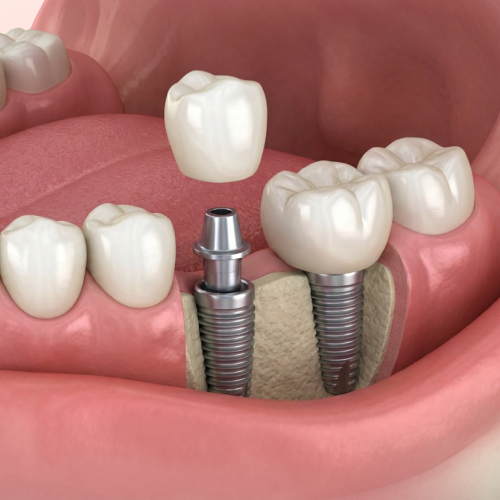
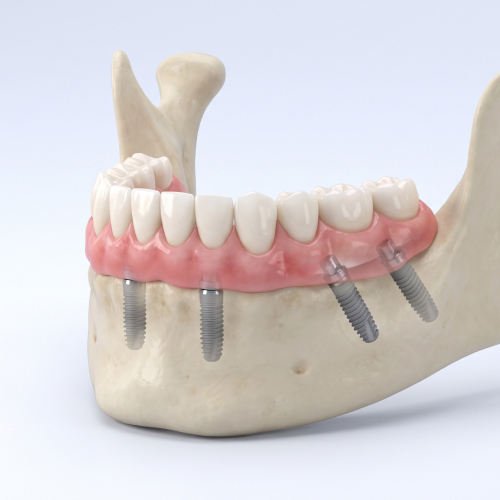
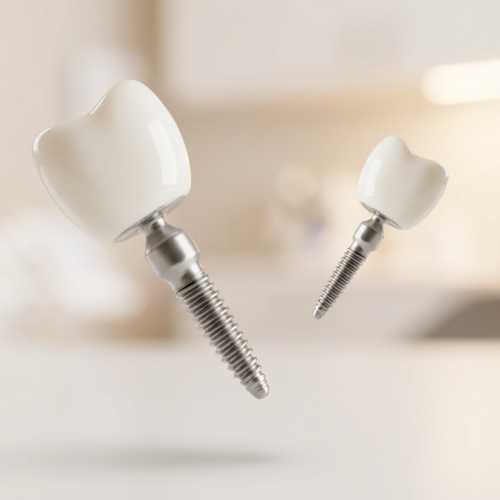
A dental implant takes a different path. Your dentist places a titanium post directly into the jawbone where the missing tooth's root used to be. According to WebMD, most patients experience less discomfort and pain than expected and usually return to work the next day. The soreness is predictable: dull aching in the gum and bone for a few days, managed easily with over-the-counter medication. Critically, no neighboring teeth are touched. There is no nerve risk to adjacent teeth whatsoever.
So the real pain comparison isn't just day-of discomfort. It's weighing a few days of expected implant soreness against a lower but real probability of chronic nerve pain in healthy teeth — pain that can emerge weeks or months after your bridge is cemented.
Bridges and implants don't just age differently. They fail differently, and the downstream consequences couldn't be more different.
A traditional dental bridge as explained by WebMD generally lasts 5 to 15 years before it needs replacement. But here's what that replacement often looks like: decay tends to develop under the crown margins on the abutment teeth. When that decay advances, it can destroy enough tooth structure that those anchor teeth must be extracted. What started as a single missing tooth can become a three-tooth problem, sitting over a jawbone ridge that has been quietly resorbing — shrinking — beneath the bridge pontic the entire time. Because no implant was present to stimulate the bone, the ridge loses volume, complicating any future restoration significantly.
When an implant tooth crown fails — and crowns do wear over time — the fix is far more contained. A Healthline overview of dental implants notes that while the crown may eventually need replacement due to normal wear, the implant itself is designed to be permanent, bonded to the jawbone through osseointegration. Remove or replace the crown, and the underlying structure remains intact. No neighboring teeth are damaged. No bone loss cascade. One isolated repair.
This "failure anatomy" distinction matters enormously when you're evaluating long-term risk — not just which option seems simpler today.
Upfront comparisons favor bridges on simplicity. No surgery, no healing period, typically fewer appointments. But longevity tells a different story.
Healthline's comparison of implants and bridges reports that implants can last 15 years or more and are the longest-lasting tooth replacement option available, with a 10-year success rate of around 97 percent. Bridges, by contrast, need replacement roughly every 5 to 15 years.
Consider what that replacement cycle means over time. A bridge placed in your 40s may need to be redone once or twice before you reach retirement. Each replacement carries renewed risk to the abutment teeth, additional procedures, and the compounding bone resorption described above. An implant placed in your 40s may never need more than a crown replacement.
WebMD's guidance on dental implants for seniors reinforces that implants are just as effective and long-lasting in older patients — meaning the investment in a permanent solution doesn't have a meaningful age ceiling. Seniors who might assume they're "too old" for implants are often excellent candidates.
Bridges have genuine advantages: no surgery, no bone graft requirement for most patients, and insurance coverage is more common. For patients who cannot undergo surgery due to health conditions, a bridge remains a sound option. The choice isn't always obvious. But anyone evaluating these options deserves to understand the full 15-year picture — not just what's simpler at the first appointment.
Neither option is universally superior. The right answer depends on your bone health, your medical history, how many teeth are missing, and what your long-term priorities are.
What's clear is that the comparison goes far deeper than a single day's discomfort or a first-appointment comparison. The latent nerve risk from bridge preparation, the bone-preserving advantage of implants, and the very different failure trajectories all deserve a real conversation with your dentist. A thorough cleaning and exam is often the best starting point to assess your current oral health and determine which option is right for you.
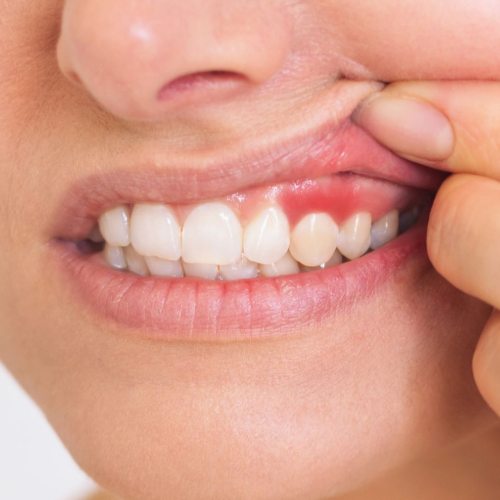
If you're weighing a bridge against an implant in the Bellflower area, Bellflower Dental Group is here to help you think it through. Our team serves patients throughout Bellflower and Southeast Los Angeles with honest, thorough consultations — so you can make a confident decision that holds up over the long term. If you're also dealing with gum disease gingivitis that may affect your candidacy for either option, we can address that as part of your care plan. Reach out today to schedule your evaluation.
Medical disclaimer: This article is intended for informational purposes only and does not constitute medical or dental advice. Always consult a licensed dental professional for diagnosis and treatment recommendations specific to your situation.
Fresh news from the dental world...

Mon - Fri 9AM - 6PM
Saturday 9AM - 3PM
Sunday Closed
Check out what our patients are saying in Bellflower, CA...


“I love this dental office!”
I have been coming here for years. It is a one-stop-shop! You can get your x-rays, cleaning, braces, labs, dentures, toothbrushes, and more all right here. The staff is great, and they try to work with you if you need a payment plan. Never had any issues with any of the work done here!

“Surpasses my expectations!”
Amazing staff! My experience at Bellflower Dental Group was outstanding. I highly recommend this dental group. I come to them for my braces, their ortho is incredible, the highlight of this dental group. The staff is amazing, their employees are so kind and take the time to perfect your braces.

“Great customer service!”
Great customer service and attentive staff! My 3 year old enjoyed his visit! Yes, I said he enjoyed it! He had to have X-rays done, and I was so worried that he wasn't gonna be a happy camper but the X-ray tech, Dominique, is so good with kids! The X-rays were fast and painless! Overall a great experience!
“I love this dental office!”
I have been coming here for years. It is a one-stop-shop! You can get your x-rays, cleaning, braces, labs, dentures, toothbrushes, and more all right here. The staff is great, and they try to work with you if you need a payment plan. Never had any issues with any of the work done here!
“Surpasses my expectations!”
Amazing staff! My experience at Bellflower Dental Group was outstanding. I highly recommend this dental group. I come to them for my braces, their ortho is incredible, the highlight of this dental group. The staff is amazing, their employees are so kind and take the time to perfect your braces.
Check out our accreditations, sources, and relationships in the wide world of dentistry...


Check us out and follow our Bellflower, CA practice on social media...


