Some dental issues are easy to ignore, maybe a little twinge when you bite down or a dull ache that comes and goes. But when pain ramps up, gets sharp, or lingers long after you’ve brushed and flossed, your body could be sounding the alarm. And one of the most urgent red flags in dentistry? A tooth abscess.
This isn’t your typical cavity or gum inflammation. A tooth abscess is your body’s way of telling you something’s gone very wrong, usually deep inside your tooth, where infection has set up camp and is trying to spread. If you've never had one, consider yourself lucky. If you think you might have one right now, don’t wait. Keep reading.
What does a tooth abscess feel like?
It’s not always dramatic at first. In the early stages, a tooth abscess might feel like a lingering soreness or pressure in your gums or jaw. But it often escalates quickly. People describe the pain in a few distinct ways:
- Throbbing, pulsing pain that doesn’t stop, even with rest or over-the-counter pain meds.
- Sharp, shooting pain when biting, chewing, or drinking something hot or cold.
- Facial swelling, especially near the cheek or jaw on the side of the affected tooth.
- A bad taste in the mouth or foul breath, sometimes caused by pus draining from the abscess.
- A small bump or pimple on the gums near the painful tooth, which may release pus if pressed.
- Fever or swollen lymph nodes, a sign the infection is spreading.
And here's the kicker: even if the pain suddenly goes away, that doesn’t mean you’re in the clear. Sometimes when a tooth abscess “bursts” and drains, it relieves pressure temporarily. But the infection is still there, and it can get much worse if left untreated.
How serious is a tooth abscess?
Very. This isn’t just about saving a tooth, it’s about protecting your health. A tooth abscess is a pocket of pus caused by a bacterial infection, often starting from an untreated cavity, cracked tooth, or gum disease. Left alone, the bacteria can spread beyond your tooth to your jaw, face, neck, or even into your bloodstream.
That last part is key. If the infection enters your bloodstream, it can become life-threatening. It’s called sepsis, and it’s a serious medical emergency.
Even before things get that extreme, a tooth abscess can:
- Destroy the surrounding bone if it continues to spread
- Weaken your immune system as it constantly fights infection
- Cause chronic pain or recurring infections in nearby teeth
- Lead to sinus infections if the upper teeth are involved
- Interfere with eating, sleeping, and speaking
In other words, this is not the kind of dental issue to tough out. The sooner you get treatment, the better your chances of saving your tooth, and avoiding a serious health crisis.
Will a dentist pull a tooth with an abscess?
Not always, and not right away. In fact, one of the goals is to try and save your natural tooth whenever possible. At Bellflower Dental Group, we explore every viable option before considering extraction.
Here’s how treatment typically plays out:
1. Drain the Abscess:
If there's visible swelling or a bump on your gums, your dentist may numb the area and make a small incision to release the pus and relieve pressure. This isn’t a permanent fix, but it helps reduce pain and control the infection.
2. Root Canal Therapy:
If the tooth’s root is still salvageable, a root canal may be the best solution. This involves cleaning out the infected pulp, disinfecting the inside of the tooth, and sealing it to prevent further infection. It’s a common, highly effective treatment for abscessed teeth.
3. Tooth Extraction:
If the tooth is too damaged to be saved, or if the infection is too advanced, your dentist may recommend pulling it. While this isn’t the first choice, it’s sometimes the safest option to stop the infection from spreading further.
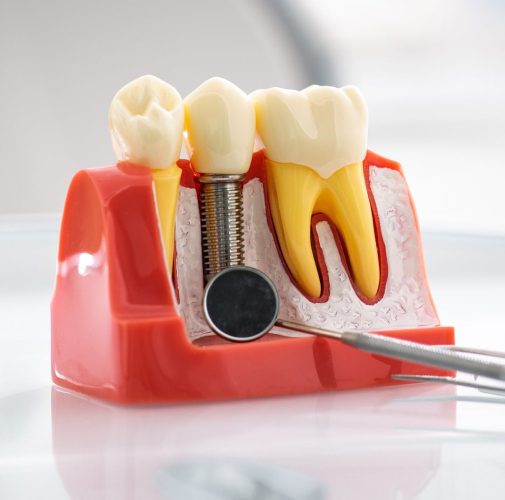
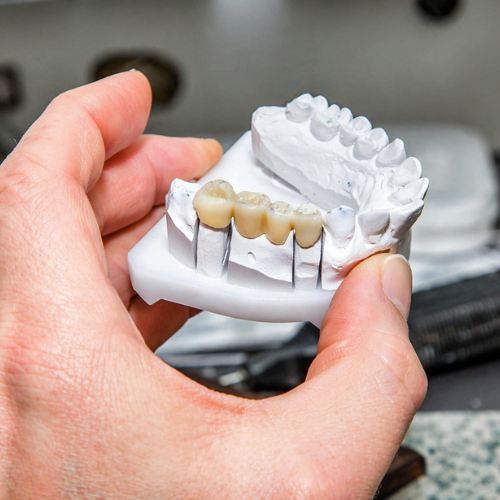
After an extraction, your dentist will walk you through tooth replacement options like dental implants or bridges to restore function and aesthetics.
4. Antibiotics:
In many cases, antibiotics are prescribed to control the infection, especially if it’s spreading or if you have other health risks. But antibiotics alone won’t cure an abscess. They’re just part of the larger treatment plan.
Why tooth abscesses happen in the first place
It usually starts small. A cavity that doesn’t get filled. A crack in your tooth you didn’t notice. Gum disease that creeps in over time. These give bacteria an entry point. Once inside, they multiply, inflame the tissue, and produce pus, your body’s attempt to fight them off. Without treatment, the infection goes deeper and deeper, reaching the root, the bone, and potentially your bloodstream.
That’s why regular dental visits matter. Many abscesses are preventable with routine cleanings, early cavity detection, and proper oral hygiene at home.
Here's what to do if you think you have an abscess
Don’t try to “wait it out.” Tooth infections don’t magically disappear, and treating them with saltwater rinses or garlic cloves won’t stop the bacteria from spreading.
Here’s what we recommend:
- Call your dentist right away. Same-day or emergency appointments are often available for suspected abscesses.
- Avoid applying heat to your face, it may spread the infection. Use a cold compress to reduce swelling.
- Take over-the-counter pain relief if necessary, but don’t delay seeing a professional.
- Do not pop the abscess on your own, even if it looks like a pimple.
The best thing you can do is act fast. The longer you wait, the more complicated (and painful) treatment can become.
What happens if an abscess bursts on its own?
It’s not uncommon for an abscess to rupture, especially if the pressure builds up. If it does, you may feel a sudden rush of fluid in your mouth, foul-tasting, sometimes mixed with blood. This might bring some relief, but don’t be fooled. The infection is still present, and your body still needs help to clear it completely.
After a rupture:
- Rinse your mouth with warm saltwater
- Avoid touching the area
- Call your dentist immediately for proper cleaning and follow-up care
When to seek emergency care
Most tooth abscesses can be managed in a dental clinic, but some symptoms mean you should head to the ER right away:
- Swelling in the face or neck that’s getting worse
- Difficulty breathing or swallowing
- High fever that won’t come down
- Confusion, dizziness, or rapid heartbeat
These are signs the infection may be spreading rapidly, and you need immediate medical attention.
The bottom line
A tooth abscess is never just a “tooth problem.” It’s an infection that can spread quickly and cause serious health issues if ignored. But the good news is that it’s treatable, and often preventable, with early intervention and the right dental care.
At Bellflower Dental Group, we take dental emergencies seriously. Whether you’re dealing with sharp pain, facial swelling, or just a nagging feeling that something’s wrong, we’re here to help, fast, effectively, and with a treatment plan that works for you.