Sleep apnea, a common yet often overlooked sleep disorder, has garnered significant attention due to its impact on overall health and well-being. As a condition closely linked to oral health, understanding its nuances becomes crucial. This blog aims to address some of the most common questions surrounding sleep apnea, highlighting its connection with dental health.
What are the Chances I Have Sleep Apnea?
Determining whether you have sleep apnea involves understanding a complex interplay of factors, ranging from personal lifestyle choices to genetic predisposition. At its core, sleep apnea is a sleep disorder characterized by pauses in breathing or periods of shallow breathing during sleep. These disruptions can lead to a host of health issues if left unaddressed.
Lifestyle and Environmental Factors
Your day-to-day choices and environment play a significant role in the likelihood of developing sleep apnea. For instance, smoking and alcohol use can increase the risk. Smoking causes inflammation and fluid retention in the upper airway, while alcohol relaxes the muscles of the throat, increasing the risk of airway obstruction during sleep.
Additionally, your work environment and stress levels can contribute to the condition. High stress can lead to disrupted sleep patterns and a potential increase in behaviors (like alcohol consumption) that elevate the risk of sleep apnea.
Genetics and Family History
Genetics also play a crucial role. If a close family member has been diagnosed with sleep apnea, your chances of developing it are higher. This genetic predisposition is often linked to physical traits such as the structure of the jaw and airway, which can be inherited.
Health Conditions and Physical Attributes
Various health conditions can elevate the risk of sleep apnea. Obesity is a significant factor; excess weight, especially around the neck, can put pressure on the airway. Conditions like hypothyroidism, polycystic ovary syndrome (PCOS), and acromegaly also increase risk.
Physical attributes like a narrow airway, enlarged tonsils, or chronic nasal congestion can make you more susceptible. Even your age and gender play a role; middle-aged men are more likely to have sleep apnea, though the risk increases in women after menopause.
Behavioral Indicators
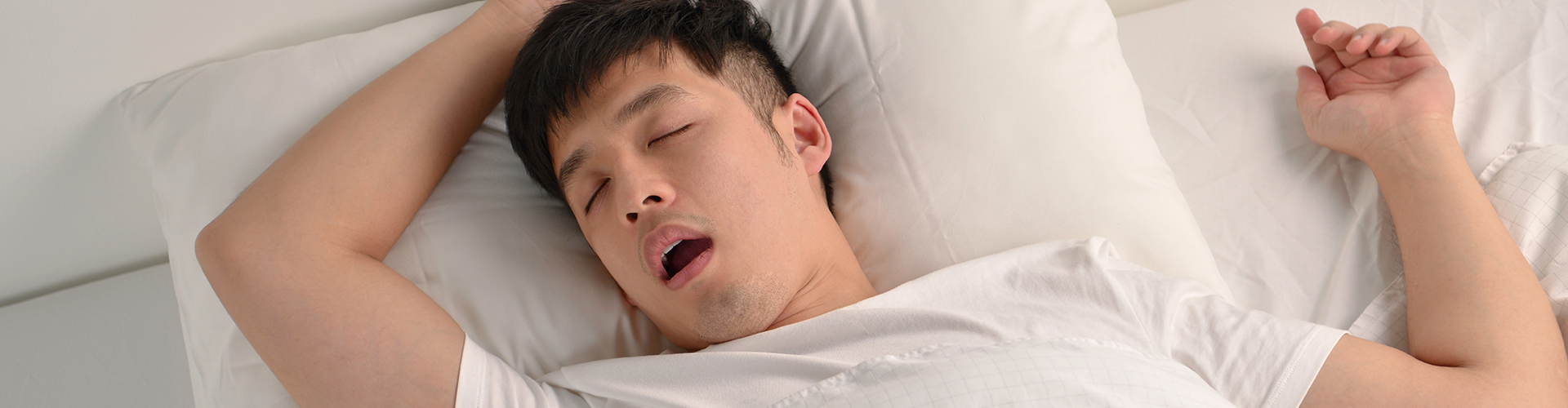
Certain behaviors and symptoms can be early indicators of sleep apnea. Chronic snoring is a primary sign, often accompanied by observed instances where the individual stops breathing during sleep. Daytime fatigue, morning headaches, and irritability are other common symptoms. Notably, many people with sleep apnea may not be aware of their disrupted sleep and symptoms may be first noticed by a bed partner.
The Role of Dental Health Professionals
Dental health professionals are uniquely positioned to identify signs of sleep apnea early. During routine dental check-ups, they can spot symptoms like teeth grinding (bruxism), which is often associated with sleep apnea. A dentist might also notice changes in the mouth's anatomy, like a small jaw or a large tongue, which can be indicators of a compromised airway.
In cases where sleep apnea is suspected, your dentist can be a crucial part of your diagnostic journey. They may recommend a sleep study, a comprehensive test that monitors your sleep stages, oxygen levels, heart rate, and other vital signs to conclusively diagnose sleep apnea.
In summary, the chances of having sleep apnea depend on a multifaceted mix of factors. Understanding these can be the first step towards getting a proper diagnosis and treatment. If you're experiencing symptoms or have risk factors for sleep apnea, consulting with a dental professional is a proactive step towards ensuring your long-term health and well-being.
Do You Have Sleep Apnea Every Night?
The frequency and severity of sleep apnea episodes can significantly differ from one individual to another, painting a complex picture of this sleep disorder's behavior. Understanding this variability is crucial in recognizing and addressing sleep apnea.
Variability in Occurrence
For some, sleep apnea is a nightly struggle, where every sleep cycle is punctuated with multiple instances of breathing interruptions. This consistent pattern can lead to chronic sleep deprivation and a host of related health issues. On the other hand, there are individuals for whom sleep apnea occurs sporadically. In these cases, certain triggers might exacerbate the condition, leading to intermittent episodes.
Contributing Factors
Several factors contribute to the nightly variation in sleep apnea symptoms. One of the most significant is sleep position. Sleeping on the back, for instance, can increase the likelihood of the tongue and soft palate collapsing into the back of the throat, obstructing the airway. Some people might find relief when sleeping on their sides, while others may not notice a significant difference.
Lifestyle choices, particularly before bedtime, play a pivotal role. Alcohol consumption, even in moderate amounts, can relax the throat muscles, making it easier for the airway to become obstructed during sleep. Similarly, the use of sedatives or certain types of medication can increase muscle relaxation, exacerbating sleep apnea symptoms.
Environmental factors can also influence the occurrence of sleep apnea. Allergens or irritants in the sleeping environment, such as pet dander or dust, can lead to nasal congestion and subsequently increase the chances of sleep apnea episodes. Additionally, stress and anxiety can alter breathing patterns and sleep quality, potentially triggering or worsening the condition.
The Importance of Monitoring and Professional Advice
While the occurrence of sleep apnea can vary, it's important to remember that even infrequent episodes can significantly impact health and well-being. Symptoms such as daytime drowsiness, morning headaches, and mood changes should not be overlooked, as they can indicate underlying sleep apnea. Regular monitoring of your sleep patterns, especially if you suspect you have sleep apnea, is essential.
Seeking professional advice is key in managing sleep apnea effectively. A healthcare provider or sleep specialist can offer insights into the specific causes and triggers of your sleep apnea episodes. They can also recommend lifestyle changes, therapeutic interventions, or even dental appliances that can help mitigate the condition's impact on your sleep quality and overall health.
What Age Does Sleep Apnea Occur?
Sleep apnea can occur at any age, including in children. However, the risk increases as you age, with a higher prevalence observed in middle-aged and older adults. In children, sleep apnea is often related to enlarged tonsils or adenoids. For adults, lifestyle factors and health conditions like obesity play a significant role. Regular dental check-ups are crucial as they can help in early detection, especially in age groups where sleep apnea is less expected.
In conclusion, understanding sleep apnea is a key step in managing and treating this condition effectively. As your dental health professionals, we are equipped to identify the early signs of sleep apnea and guide you towards the right treatment path. If you're concerned about sleep apnea or have noticed any symptoms, don't hesitate to schedule an appointment with us. Prioritizing your sleep health is integral to your overall well-being, and we are here to support you every step of the way.