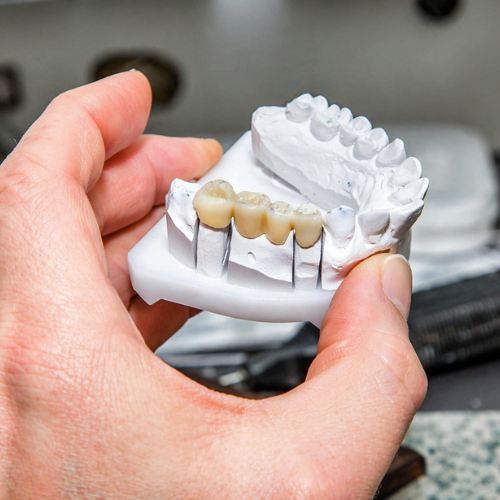
When One Missing Tooth Starts Causing More Trouble Than You Expected
Learn how a dental bridge replaces a missing tooth, who it helps, and how long it can last at Bellflower Dental Group.
Read More
A broken tooth can turn an ordinary day into an alarming experience. It's not just about the pain or discomfort – it's about the uncertainty of what to do next. In this comprehensive guide, we'll explore the intricacies of broken teeth, from understanding their severity to discussing treatment costs. Our goal is to equip you with the knowledge you need to handle this dental emergency and make informed decisions about your oral health.
The severity of a cracked tooth largely depends on the type and extent of the crack. Superficial cracks that only affect the enamel, known as craze lines, are often less concerning. These hairline fractures are primarily cosmetic issues and usually don't cause pain. However, deeper cracks that penetrate into the dentin or pulp are more alarming. These can lead to heightened sensitivity, sharp pain, and even infection, requiring prompt dental intervention.
Understanding the layers of a tooth is key here. The outermost layer, the enamel, is the hardest and most mineralized tissue in the body. Beneath it lies the dentin, a less dense but still hard tissue. The innermost layer is the pulp, where the tooth's nerves and blood vessels reside. Cracks reaching the dentin or pulp are troublesome because they expose these areas to bacteria, leading to inflammation or infection.
Additionally, the location and direction of the crack significantly impact its severity. Vertical cracks that extend towards the root can worsen over time, potentially leading to a split tooth, which is often irreparable. Conversely, horizontal cracks are generally less severe but still require professional assessment.
The symptoms of a cracked tooth can be varied. Apart from pain when chewing and sensitivity to temperature changes, some people experience intermittent pain that comes and goes, making diagnosis tricky. Others might notice swelling around the tooth, changes in the gum line, or even bits of the tooth breaking off. If you're experiencing any of these symptoms, it's vital to seek professional dental advice as soon as possible.
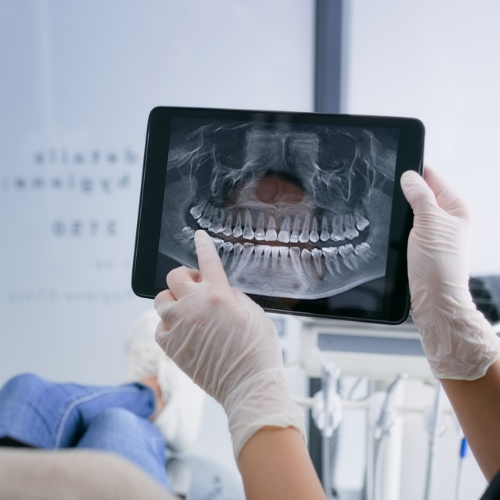
Early detection and treatment are crucial for a positive outcome. Minor cracks might only need a simple filling or bonding, while more severe cases could require a crown, a root canal, or even extraction. A dental professional can assess the crack through visual examination, dental dye, or X-rays and recommend the appropriate course of action.
Remember, a cracked tooth is more than just a crack; it's a warning signal from your body that something needs attention. Seeking timely dental care can prevent further damage and preserve your oral health.
The straightforward answer is no; a cracked tooth cannot heal on its own. This reality is rooted in the unique nature of tooth anatomy and the absence of regenerative capabilities in tooth tissue.
Teeth differ significantly from other parts of the body, like bones. When a bone fractures, the body can initiate a biological process that gradually repairs and rebuilds the bone tissue. However, teeth lack this regenerative ability. The primary reason for this is the structure and composition of teeth. A tooth consists of three main layers: the enamel (the hard outer layer), the dentin (a softer, sensitive layer beneath the enamel), and the pulp (the innermost part containing nerves and blood vessels). Enamel and dentin are not living tissues and therefore do not have the capacity to regenerate.
Once a tooth is cracked, it remains in that state. The crack disrupts the integrity of the tooth, potentially compromising its strength and function. This disruption can lead to a cascade of dental issues. Small cracks might initially seem harmless, but they can act as gateways for bacteria, leading to decay and infection deep within the tooth. These infections can cause pain, swelling, and discomfort and may eventually reach the tooth’s pulp, necessitating more invasive treatments like root canal therapy or even tooth extraction.
Moreover, a cracked tooth can progressively worsen if not addressed. Everyday activities like biting and chewing exert pressure on teeth, and a cracked tooth under such stress can extend or deepen, leading to further damage. This deterioration can lead to a piece of the tooth breaking off or, in severe cases, the complete splitting of the tooth, which often leaves little option other than extraction.
Ignoring a cracked tooth also increases the risk of developing abscesses, which are pockets of infection that form around the tooth’s root or in the gum tissue. Dental abscesses are not only painful but can also lead to more serious health complications if the infection spreads to other areas of the body.
Early intervention is therefore crucial. By seeking prompt dental care, you can halt the progression of damage caused by a cracked tooth. Dental treatments for cracked teeth vary depending on the crack’s severity but may include bonding, crowns, root canal treatment, or veneers. These treatments aim to restore the tooth's integrity and appearance, prevent infection, and maintain the tooth's functionality.
While a cracked tooth cannot heal on its own, timely dental intervention can effectively manage the issue and prevent further complications. Regular dental check-ups and good oral hygiene can also play a significant role in maintaining healthy teeth and identifying potential problems early.
The cost of fixing a chipped tooth varies depending on the extent of the damage and the treatment required. Minor chips can often be repaired with simple procedures like dental bonding or fillings, which are relatively affordable. More severe cases, such as large cracks or fractures, might require more complex treatments like crowns or root canals, which can be more expensive.
It's essential to consider that delaying treatment can lead to more extensive and costly procedures in the long run. Additionally, most dental insurance plans partially cover these treatments, making them more accessible. Our dental office provides transparent pricing and treatment options, ensuring you can make an informed decision about your dental care.
In conclusion, a broken tooth is not something to take lightly. While it may seem daunting, understanding the severity of the issue, recognizing that it won't heal on its own, and being aware of the costs involved in fixing it are crucial steps in managing this dental emergency. Our dental office is equipped with the expertise and technology to provide you with the best care for your broken tooth. Don't let a cracked tooth compromise your oral health and overall well-being. Schedule an appointment with us today, and let's work together to restore your beautiful smile.
Fresh news from the dental world...




Mon - Fri 9AM - 6PM
Saturday 9AM - 3PM
Sunday Closed
Check out what our patients are saying in Bellflower, CA...


“Great customer service!”
Great customer service and attentive staff! My 3 year old enjoyed his visit! Yes, I said he enjoyed it! He had to have X-rays done, and I was so worried that he wasn't gonna be a happy camper but the X-ray tech, Dominique, is so good with kids! The X-rays were fast and painless! Overall a great experience!

“Surpasses my expectations!”
Amazing staff! My experience at Bellflower Dental Group was outstanding. I highly recommend this dental group. I come to them for my braces, their ortho is incredible, the highlight of this dental group. The staff is amazing, their employees are so kind and take the time to perfect your braces.

“I love this dental office!”
I have been coming here for years. It is a one-stop-shop! You can get your x-rays, cleaning, braces, labs, dentures, toothbrushes, and more all right here. The staff is great, and they try to work with you if you need a payment plan. Never had any issues with any of the work done here!
“Great customer service!”
Great customer service and attentive staff! My 3 year old enjoyed his visit! Yes, I said he enjoyed it! He had to have X-rays done, and I was so worried that he wasn't gonna be a happy camper but the X-ray tech, Dominique, is so good with kids! The X-rays were fast and painless! Overall a great experience!
“Surpasses my expectations!”
Amazing staff! My experience at Bellflower Dental Group was outstanding. I highly recommend this dental group. I come to them for my braces, their ortho is incredible, the highlight of this dental group. The staff is amazing, their employees are so kind and take the time to perfect your braces.
Check out our accreditations, sources, and relationships in the wide world of dentistry...


Check us out and follow our Bellflower, CA practice on social media...


