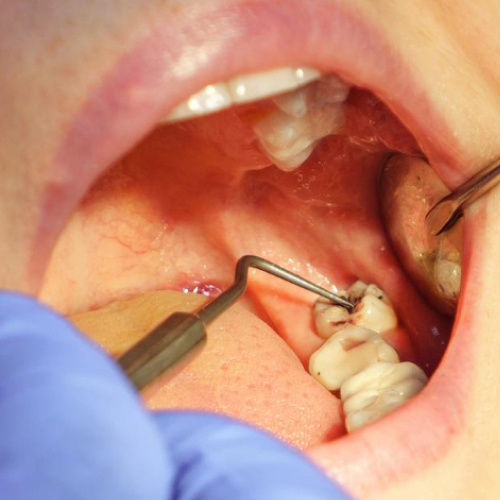
Ceramic vs. Composite Fillings: How Long Do They Actually Last?
Comparing ceramic vs. composite fillings? Discover how long each cavity filling option lasts and choose the best fit for your smile. Book your visit today!
Read More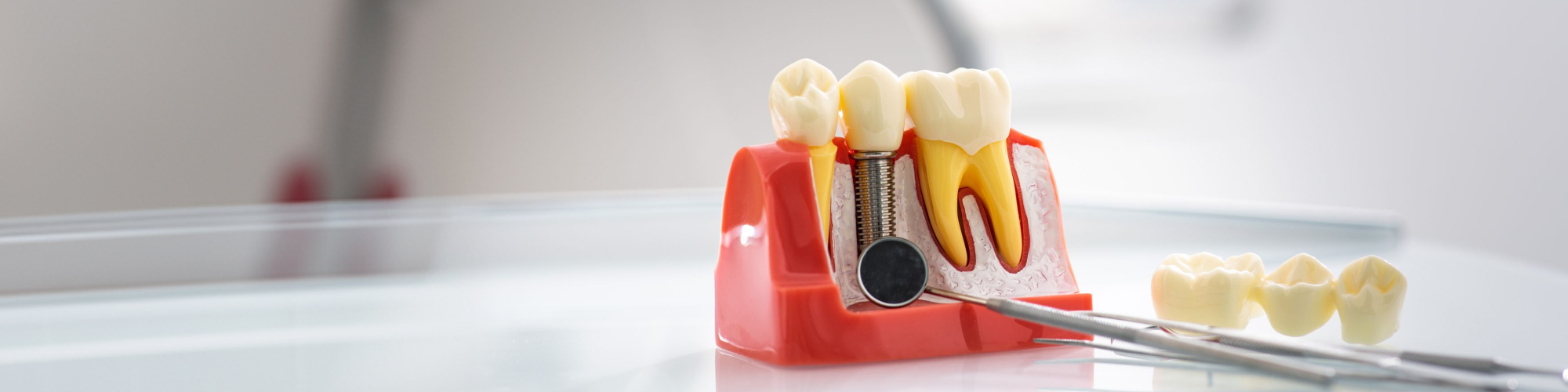
Dental implants succeed at a high rate, but the real problems patients face go beyond whether the implant fuses to the bone — they include sensory changes, mechanical maintenance, and a timeline that varies based on surgical decisions made before the first incision. Understanding these realities upfront leads to better outcomes and fewer surprises.
Most people expect a dental implant to feel exactly like the tooth they lost. For Bellflower-area patients, this expectation sets up the most common disappointment I see in my practice.
Your natural teeth aren't anchored rigidly to bone. They're suspended by the periodontal ligament — a thin, nerve-rich tissue that acts as a biological shock absorber. That ligament gives your tooth a tiny amount of "give" and, more importantly, sends pressure signals to your brain. This is called proprioception, and it tells you how hard you're biting before you go too far.
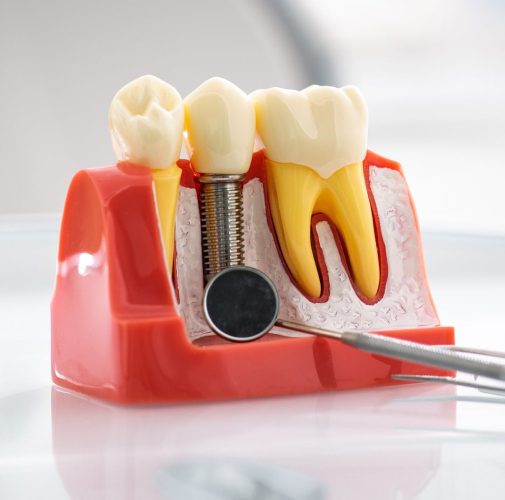
Implants have no periodontal ligament. The titanium post fuses directly to your jawbone through osseointegration. That's what makes implants so stable — but it also means the sensory feedback disappears. The implant itself feels "dead" compared to a natural tooth.
Clinically, this matters. Without that feedback, patients commonly bite down harder than they intend on the opposing teeth. Over time, this can contribute to chipping of adjacent teeth or jaw fatigue, especially in people who already grind. According to Mayo Clinic, nerve damage and surrounding structural issues are recognized surgical risks — but the subtler loss of bite proprioception is a daily functional reality that begins the moment osseointegration is complete.
The adjustment period is real. I tell patients to expect a relearning phase of several weeks where they consciously moderate bite force. Softer foods early on aren't just about protecting healing bone — they help the brain recalibrate to a new mechanical reality. Most people adapt fully, but knowing this in advance prevents panic when the implant feels different than expected.
Here's what most implant articles skip entirely: the implant body in your jawbone is designed to be permanent. The hardware connecting your crown to that implant is not.
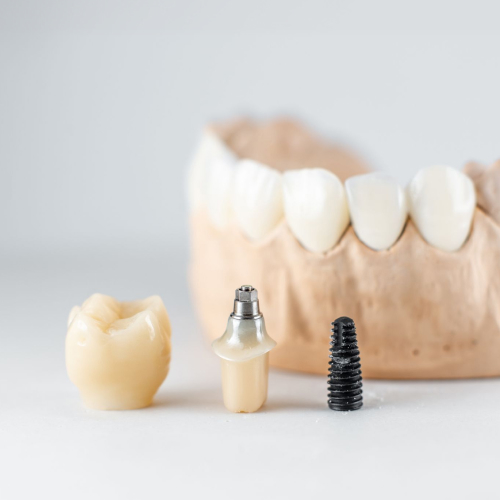
Inside every implant system, a tiny abutment screw holds the crown in place. This screw is subjected to occlusal forces every time you chew — thousands of cycles per day. Research published in PMC identifies metal fatigue from biomechanical overloading as the most frequent cause of late implant-related mechanical failure, and connection-related problems like screw loosening increase from roughly 4% at five years to over 26% at ten years.
That distinction matters enormously for patient expectations. A loose crown or a clicking sensation doesn't necessarily mean your implant has failed. It often means the abutment screw needs tightening or replacement — a straightforward in-office procedure.
A realistic 10-year maintenance roadmap looks like this:
Healthline notes that an estimated 5 to 10 percent of implants fail — but this figure blends true osseointegration failure with mechanical complications that are far more manageable. Knowing the difference protects you from unnecessary anxiety and helps you ask the right questions at every follow-up visit.
Most implant timelines you read online say "three to six months." That's accurate in the same way "a road trip takes a few hours" is accurate — it depends entirely on choices made before you leave.
The most important surgical decision affecting your daily life during healing is whether your surgeon uses a one-stage or two-stage protocol.
In a two-stage approach, the implant is placed and the gum is stitched completely over it. The implant heals under the gumline for three to six months, protected from chewing forces. A second minor procedure then reopens the gum to attach a healing abutment. This is the more conservative approach and is often preferred when bone quality is marginal or bone grafting was involved.
In a one-stage approach, a healing abutment — a small metal nub — protrudes through the gum immediately after implant placement. There's no second surgery, saving both time and recovery. The tradeoff is that the healing abutment is exposed to the oral environment, and patients must be careful not to accidentally load the implant with biting forces too early.
Cleveland Clinic explains that osseointegration alone takes three to nine months depending on individual healing. Add pre-surgical bone grafting — which can require its own three-to-twelve-month healing window — and some patients are looking at a 12-to-18-month total process.
Before your surgery, ask your surgeon directly: Are we doing one-stage or two-stage? Do I need a bone graft first? Those two answers will define your actual calendar far more precisely than any general estimate.
Beyond the mechanical realities, certain biological factors meaningfully increase implant risk and deserve honest discussion.
Smoking is the most significant modifiable risk factor. A WebMD overview identifies gum disease — infection and inflammation around the implant — as a primary pathway to failure, and smoking dramatically accelerates that process by restricting blood flow and impairing healing. Failure rates for smokers can reach 20 percent compared to roughly 5 percent for nonsmokers.
Uncontrolled diabetes slows the osseointegration process. Autoimmune conditions and certain medications — including proton pump inhibitors, antidepressants, and bisphosphonates — can interfere with bone metabolism in ways that compromise how well the implant fuses. Harvard Health specifically lists bisphosphonate use and chemotherapy as conditions that may disqualify a patient from implant candidacy altogether.
At our practice, we conduct thorough medical history reviews precisely because these factors don't disqualify most patients outright — they require a modified protocol. Bone grafting, staged loading, or adjusted healing timelines can bring many medically complex patients to a successful outcome. The key is identifying risks before surgery, not after. Patients who maintain regular cleaning and exam appointments give our team the best opportunity to catch and address emerging complications early.
Implants are one of the most reliable tooth replacement options available, but they work best when patients enter the process with accurate expectations. If you're in Bellflower or the surrounding Southeast Los Angeles area and want a candid evaluation of whether implants make sense for you — including a review of your bone volume, medical history, and the surgical protocol that fits your situation — our team is here.
Bellflower Dental Group offers multi-specialty implant care with hospital-grade oral surgery and full sedation options, all under one roof. Schedule a consultation and get real answers before you commit.
Medical disclaimer: This article is for informational purposes only and does not constitute professional dental or medical advice. Individual results vary. Consult a licensed dental professional to evaluate your specific clinical situation before making any treatment decisions.
Fresh news from the dental world...


Mon - Fri 9AM - 6PM
Saturday 9AM - 3PM
Sunday Closed
Check out what our patients are saying in Bellflower, CA...


“Great customer service!”
Great customer service and attentive staff! My 3 year old enjoyed his visit! Yes, I said he enjoyed it! He had to have X-rays done, and I was so worried that he wasn't gonna be a happy camper but the X-ray tech, Dominique, is so good with kids! The X-rays were fast and painless! Overall a great experience!

“Surpasses my expectations!”
Amazing staff! My experience at Bellflower Dental Group was outstanding. I highly recommend this dental group. I come to them for my braces, their ortho is incredible, the highlight of this dental group. The staff is amazing, their employees are so kind and take the time to perfect your braces.

“I love this dental office!”
I have been coming here for years. It is a one-stop-shop! You can get your x-rays, cleaning, braces, labs, dentures, toothbrushes, and more all right here. The staff is great, and they try to work with you if you need a payment plan. Never had any issues with any of the work done here!
“Great customer service!”
Great customer service and attentive staff! My 3 year old enjoyed his visit! Yes, I said he enjoyed it! He had to have X-rays done, and I was so worried that he wasn't gonna be a happy camper but the X-ray tech, Dominique, is so good with kids! The X-rays were fast and painless! Overall a great experience!
“Surpasses my expectations!”
Amazing staff! My experience at Bellflower Dental Group was outstanding. I highly recommend this dental group. I come to them for my braces, their ortho is incredible, the highlight of this dental group. The staff is amazing, their employees are so kind and take the time to perfect your braces.
Check out our accreditations, sources, and relationships in the wide world of dentistry...


Check us out and follow our Bellflower, CA practice on social media...


