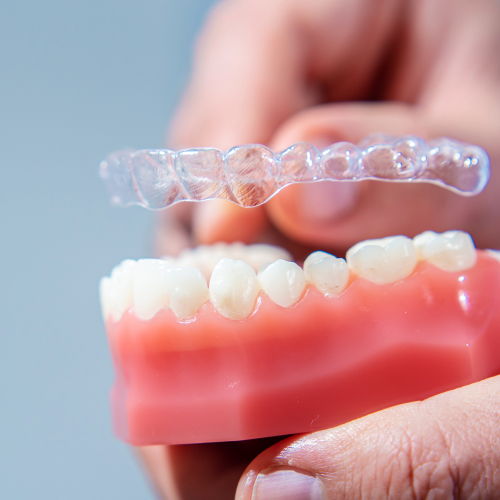
Why Your Invisalign Trays Aren't Fitting Right — and What to Do About It
Struggling with Invisalign gaps or tracking issues in Bellflower? Learn what's normal, what's not, and when refinements may help. Call us today.
Read More
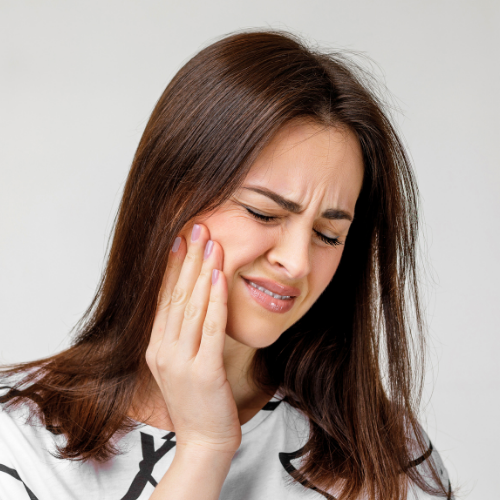
Ever experienced a clicking sound or felt pain while chewing? Your jaw holds many secrets, and Temporomandibular Joint (TMJ) disorders are among them. From wondering if stress is a culprit, to anxiously asking if it hints at cancer, we're here to address your concerns. Let's unravel the mystery of TMJ together!
Stress is more than just a mental monster. It has a sneaky way of manifesting itself physically. When you're stressed, you may unconsciously clench your jaw or grind your teeth. Over time, these habits can put a strain on your TMJ, leading to discomfort or pain.
Signs of Stress-Related TMJ
Stress is a master of disguise, often revealing itself in unexpected physical symptoms. TMJ disorders are one such area where stress might be playing a more significant role than you realize. Let's dive into these telltale signs:
Frequent Headaches: These aren't your typical headaches. Often mistaken for migraines, stress-induced TMJ can cause tension-type headaches. They're primarily due to the constant clenching of jaw muscles, either during sleep or periods of high anxiety. So, if you wake up with that pounding sensation or experience headaches after particularly stressful days, your TMJ might be voicing its distress.
Jaw Muscle Stiffness: Ah, the unmistakable sensation of a jaw that doesn't want to cooperate! Waking up with a stiff jaw is more than just an uncomfortable feeling—it's a sign. It indicates that your nightly rest might be interspersed with bouts of grinding or clenching, both classic signs of stress-related TMJ. Even as the day progresses, if you find moments where your jaw feels unusually tight, especially during stressful events, it's a clear indication.
Ear Pain: An earache without an ear infection? Sounds odd, but there's a connection. Given the close proximity of the TMJ to the ear, any stress-induced disorders can affect the surrounding structures. This can result in what feels like ear pain. If your ear aches often coincide with other TMJ symptoms and there's no genuine ear issue, you've got another stress signpost.
While it's natural to fear the big 'C', it's essential to note that TMJ disorders are typically NOT related to cancer. They often arise from jaw injuries, arthritis, or habits like teeth grinding.
Why the Confusion? Symptoms like swelling, pain, or a change in bite can make one anxious. But these are commonly seen in TMJ disorders and aren't exclusive to cancer. Remember, context is everything.
When to See a Specialist If you have prolonged symptoms or unusual growths, always consult a dental expert. It's better to be safe and get clarity. We're here to help!
Mindfulness Meditation
Whether it's meditation, deep breathing, or simply pausing for a moment of calm, these practices can help in reducing the unconscious jaw clenching that stress brings.
Exercises for Relief
Gentle jaw exercises can ease TMJ pain. Here's a simple one:
Over-the-counter Pain Relievers
Always consult a professional before taking medications. That said, some OTC pain relievers can provide temporary relief.
Nature's Own Healing Process: The human body is a marvel, often boasting self-healing capabilities. For TMJ disorders, the scenario can sometimes be optimistic. When the underlying cause is temporary stress, the body might adapt and recover once the stress subsides. Similarly, minor jaw traumas can occasionally heal on their own, given adequate rest and time.
Playing it Safe: TMJ disorders can be elusive. A pain-free day doesn't necessarily mean the issue is entirely gone.
Monitoring Symptoms: It's crucial to stay vigilant. Keep a log of when you experience TMJ symptoms, noting their frequency and severity. A pattern might emerge, indicating whether the condition is genuinely improving or merely waxing and waning.
Professional Insight: Never underestimate the value of professional guidance. If symptoms persist, intensify, or even if you're unsure about the trajectory of your TMJ disorder, seeking an expert's opinion is paramount. We're here to assist, so don't hesitate to schedule a consultation.
Maintaining Jaw Health: Regardless of the status of your TMJ disorder, maintaining optimal jaw health should always be a priority.
Dietary Considerations: Chewy or hard foods can place undue stress on the jaw, exacerbating TMJ symptoms. Opt for softer foods and avoid things like hard candies, which require rigorous chewing.
Break the Habits: Biting nails or chewing on pen caps might seem harmless, but these habits can strain the jaw over time. Becoming conscious of such behaviors and curbing them can benefit your TMJ in the long run.
Protective Measures: If you're prone to grinding your teeth at night, a night guard can be a game-changer. Not only does it protect the teeth, but it also provides a cushioning effect, reducing the stress on the TMJ.
In summary, while TMJ disorders might sometimes seem to have a mind of their own, taking proactive steps and staying informed can make all the difference in managing this condition. Your jaw's health is paramount, and our clinic is committed to guiding you every step of the way.
Bruxism Link
TMJ disorders and bruxism (teeth grinding) often go hand in hand. Persistent grinding can lead to worn-down teeth or even cracks.
Bite Misalignment
Over time, TMJ disorders can change the way your teeth fit together, possibly leading to further dental issues.
Oral Health's Ripple Effect
As with any dental concern, untreated TMJ can have cascading effects on your oral health. Regular check-ups are essential!
Remember, while Google has a lot of answers, nothing beats personalized guidance. If any of these questions resonate with you, or if you just want to ensure your jaw's health, don't hesitate. Schedule a consultation with our clinic. Your jaw will thank you!
Fresh news from the dental world...


Mon - Fri 9AM - 6PM
Saturday 9AM - 3PM
Sunday Closed
Check out what our patients are saying in Bellflower, CA...


“Great customer service!”
Great customer service and attentive staff! My 3 year old enjoyed his visit! Yes, I said he enjoyed it! He had to have X-rays done, and I was so worried that he wasn't gonna be a happy camper but the X-ray tech, Dominique, is so good with kids! The X-rays were fast and painless! Overall a great experience!

“Surpasses my expectations!”
Amazing staff! My experience at Bellflower Dental Group was outstanding. I highly recommend this dental group. I come to them for my braces, their ortho is incredible, the highlight of this dental group. The staff is amazing, their employees are so kind and take the time to perfect your braces.

“I love this dental office!”
I have been coming here for years. It is a one-stop-shop! You can get your x-rays, cleaning, braces, labs, dentures, toothbrushes, and more all right here. The staff is great, and they try to work with you if you need a payment plan. Never had any issues with any of the work done here!
“Great customer service!”
Great customer service and attentive staff! My 3 year old enjoyed his visit! Yes, I said he enjoyed it! He had to have X-rays done, and I was so worried that he wasn't gonna be a happy camper but the X-ray tech, Dominique, is so good with kids! The X-rays were fast and painless! Overall a great experience!
“Surpasses my expectations!”
Amazing staff! My experience at Bellflower Dental Group was outstanding. I highly recommend this dental group. I come to them for my braces, their ortho is incredible, the highlight of this dental group. The staff is amazing, their employees are so kind and take the time to perfect your braces.
Check out our accreditations, sources, and relationships in the wide world of dentistry...


Check us out and follow our Bellflower, CA practice on social media...


