Dental health has made significant strides over the past few decades, especially in the materials used for fillings. Amalgam, once a staple in dental restorations, is being replaced by safer, more aesthetic alternatives. This transition is not only a response to patient preferences but also an alignment with advances in dental technology. If you're considering replacing your amalgam fillings or are curious about safer alternatives, here’s what you need to know.
When Did They Stop Using Amalgam Fillings?
Amalgam fillings, known for their durability and cost-effectiveness, have been used for over 150 years. These fillings are made from a mixture of metals, including mercury, silver, tin, and copper. However, concerns about the aesthetic impact and health implications of mercury have led to a decline in their use.
The shift away from amalgam began in the late 20th century, gaining momentum in the early 2000s as composite resins improved. Many countries in Europe have imposed restrictions on the use of amalgam, primarily to prevent mercury pollution, and are advocating for mercury-free dentistry by 2030. In the United States, the use of amalgam has significantly decreased due to patient preferences for more natural-looking fillings and evolving standards in dental care practices.
Is it Safe to Have Amalgam Fillings Removed?
The safety of removing amalgam fillings is a subject that garners considerable attention and debate among dental professionals. The primary concern centers around the potential for mercury exposure when these fillings are drilled out. Mercury, a core component of amalgam, can be hazardous if inhaled or absorbed into the body, raising valid concerns regarding safety during the extraction process.
Fortunately, with the advancement in dental techniques and the adoption of rigorous safety protocols, the removal of amalgam fillings can be performed with minimal risk. Dental practices that specialize in amalgam removal are typically equipped with sophisticated equipment designed to safeguard both patients and staff from mercury exposure.
One of the critical technologies used during the removal process is a high-volume evacuator, a powerful suction device that captures the majority of mercury vapors released during the drilling. Additionally, dental offices employ specific isolation methods, such as rubber dams, which prevent mercury particles from entering the mouth and being ingested or inhaled by the patient.
Air filtration systems are also integral to modern dental practices handling amalgam removal. These systems are designed to filter out harmful particles and vapors from the air, ensuring a safe environment for both the dental team and the patients. Some practices even utilize advanced air purification technologies, including HEPA filters, which are highly effective at trapping microscopic particles, including mercury.
Moreover, dental staff are trained to follow strict protocols that further enhance safety during amalgam removal. This includes the use of protective gear, such as gloves, masks, and eyewear, which help prevent the absorption or inhalation of harmful substances. Staff are also trained in the proper disposal of hazardous materials, ensuring that mercury does not contaminate the environment.
For patients concerned about the potential health risks associated with amalgam fillings, many dental offices now offer consultations specifically focused on the safe removal of these fillings. During these consultations, dentists can assess individual health needs, discuss potential risks, and outline the safety measures in place that will be used during the removal procedure.
While the removal of amalgam fillings does pose potential risks, the advanced safety measures and technologies employed by contemporary dental practices significantly mitigate these risks. Patients looking to have their amalgam fillings removed can be reassured that with the right precautions, the procedure is not only safe but also contributes to overall dental health.
What is the Safest Dental Filling?
When it comes to choosing the safest dental filling, the materials used play a critical role in both the health and aesthetic outcomes for patients. Among the various options available, composite resins are often recommended by dental professionals due to their impressive safety profile and compatibility with natural tooth structure. These fillings are crafted from a sophisticated blend of plastic and fine glass particles, which are expertly designed to replicate the appearance and feel of natural teeth.
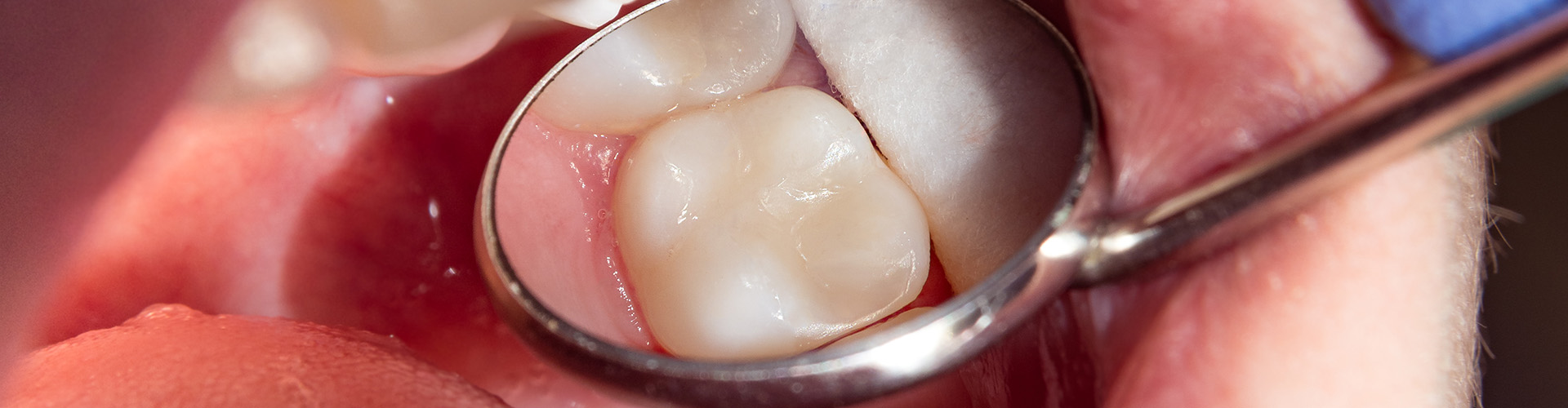
Composite fillings offer several distinct advantages, particularly their ability to bond directly to the tooth surface. This direct bonding not only aids in the restoration of the majority of the tooth's original strength but also minimizes the need for extensive drilling, thus preserving more of the natural tooth structure. This aspect is crucial in preventing further damage and ensuring long-term dental health.
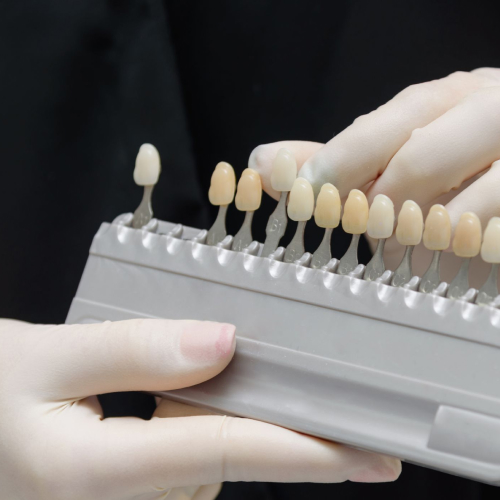
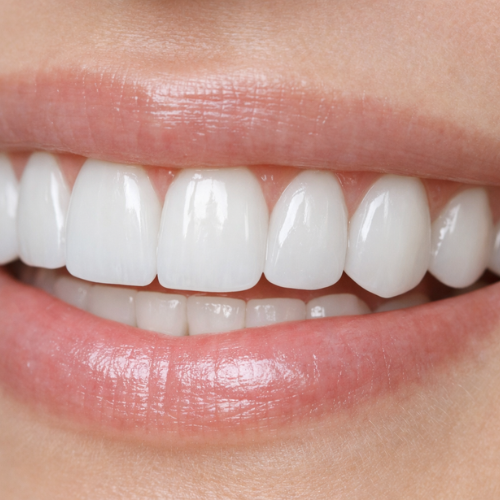
Furthermore, composite resins are celebrated for their aesthetic appeal. They can be closely matched to the shade of the patient’s existing teeth, providing a seamless and natural appearance that is much preferred over the metallic look of amalgam fillings. This makes composites an excellent choice for front tooth repairs where a natural appearance is paramount.
In terms of safety, composite fillings are a superior choice because they are free from metals and, crucially, do not contain mercury—an element found in amalgam fillings that has raised health concerns over the years. Recent advancements in dental technology have also significantly enhanced the durability of composite materials, making them robust enough to be used in the back teeth, which are subjected to considerable chewing pressure.
Beyond composites, other safe filling materials are also available and widely used in modern dentistry. Ceramic fillings, for instance, are renowned for their durability and superior resistance to staining. Made from porcelain, these fillings are both beautiful and robust, making them ideal for patients looking for a long-lasting solution that does not compromise the aesthetics of their smile.
Another noteworthy alternative is glass ionomer fillings. These are particularly beneficial for children or below the gum line applications because they release fluoride over time, which helps in preventing further tooth decay. Glass ionomer fillings adhere well to the tooth structure and have a composition that minimizes the risk of allergic reactions, making them a safe option for patients with specific sensitivities.
The choice of the most appropriate filling material depends on several factors, including the location of the tooth requiring the filing, the extent of the decay, potential allergies, and aesthetic considerations. Dentists typically conduct a thorough evaluation to determine the best material based on these factors, ensuring that the filling not only meets the functional requirements but also aligns with the patient's health needs and cosmetic expectations.
Embrace Modern Dentistry for Healthier, More Attractive Smiles
As dental technology progresses, so does the opportunity for safer, more attractive alternatives to amalgam fillings. Whether you are considering replacing old fillings or require new ones, modern dental practices offer materials that are not only effective but also align with overall health and aesthetic values.
At Bellflower Dental Group, we are committed to providing the highest standard of dental care with state-of-the-art technology. Our experienced team is ready to guide you through the best options for dental fillings that meet your health needs and cosmetic expectations. Schedule an appointment with us today to discuss how we can help you achieve a healthier, more beautiful smile.
Contact us now to find out more about our services and how we can assist you in transitioning to a safer, more aesthetically pleasing dental filling solution.