If you’ve been wearing dentures for a while, you probably know the drill: the slipping, the clicking, the discomfort, and the ever-present worry about whether they’ll stay put when you’re eating or talking. Dentures are an incredible tool, but traditional ones have their limits.
What if you could keep the benefits and ditch the drawbacks?
At Bellflower Dental Group, we’ve seen how implant-retained dentures change lives. They bring back not just function, but confidence. Whether you’re tired of adhesive or just starting to explore tooth replacement, this option might be the upgrade your smile’s been waiting for.
Let’s walk through what makes them different, who they’re best for, and what life looks like after the switch.
What makes implant-retained dentures different from traditional ones?
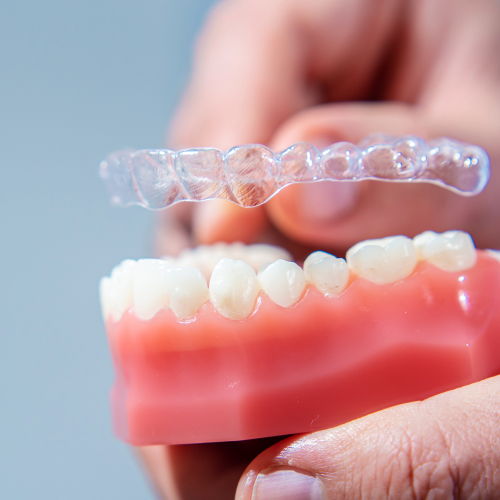
Traditional dentures are designed to rest on your gums and stay in place through suction, friction, or clasps—sometimes with a little help from denture adhesive. They work, but let’s be honest: they can also move around, irritate your gums, and make simple activities like eating or laughing feel like a challenge.
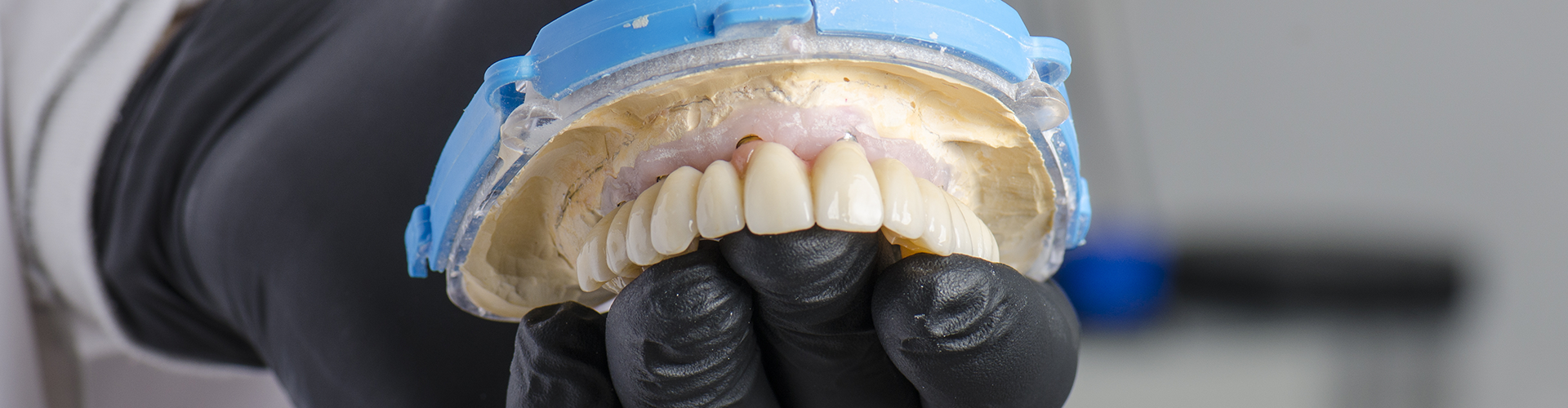
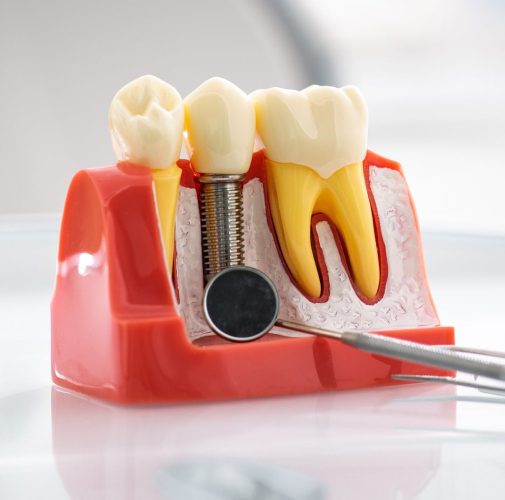
Implant-retained dentures, on the other hand, are supported by dental implants—small titanium posts placed directly into your jawbone. These implants act like artificial tooth roots, locking your dentures securely into place.
The key differences include:
- Stability: Because they’re anchored into the jawbone, implant-retained dentures don’t shift or slip. That means more confidence when eating, speaking, and smiling.
- Comfort: Fewer pressure points mean less irritation, especially over time.
- Bone preservation: Implants stimulate your jawbone, helping prevent the bone loss that often happens with traditional dentures.
- More natural feel: You don’t just look like you have teeth—you feel like you do.
There are also two main types of implant-retained dentures:
- Fixed (non-removable) – These are permanently attached and brushed like natural teeth.
- Removable (snap-in) – These snap onto the implants but can be taken out for cleaning.
Either option gives you far more stability than traditional dentures—and way less daily fuss.
Who’s a good candidate for implant-retained dentures?
You don’t need to have a perfect dental history to be a candidate. In fact, many people who choose implant-retained dentures have already been wearing traditional dentures or have had missing teeth for years.
Here are a few factors that help determine whether this option is a good fit:
General Health:
You should be in reasonably good overall health to undergo the minor surgical procedure required to place the implants. Chronic conditions like diabetes or autoimmune disorders don’t necessarily rule you out, but they do require careful planning.
Bone Density:
Since implants are placed in the jawbone, you need a certain amount of bone for them to take hold. But even if you’ve experienced bone loss, you might still be eligible, thanks to bone grafting, sinus lifts, or zygomatic implants that anchor higher up.
Oral Health:
Gum disease or infections should be treated before implant surgery. We’ll check for any underlying issues and work with you to create a healthy foundation for your new smile.
Non-Smokers (or willing to quit):
Smoking can interfere with healing and the success of the implants. If you’re open to quitting—or at least stopping during the healing period—you’ll have a better chance of long-term success.
Even if you’re unsure where you stand, we encourage you to come in for a consultation. At Bellflower Dental Group, we take time to assess your unique case with imaging tools and thorough evaluation. If you’re not ready now, we can often help get you there with a personalized treatment plan.
Are implant-retained dentures better than regular dentures?
This is the million-dollar question—and the answer depends on what matters most to you.
If your priorities are stability, ease, and long-term oral health, yes—implant-retained dentures are better in almost every way. Let’s break it down:
Why many patients prefer them:
- No more adhesives: Say goodbye to that sticky paste or powder you apply daily.
- Eat what you love: Crunchy veggies? Steak? Corn on the cob? All back on the menu.
- Fewer sore spots: Traditional dentures can rub against your gums. Implants eliminate that movement.
- Preserve your jawbone: Traditional dentures can actually accelerate bone loss. Implants help prevent it.
- Improved speech: Because they’re stable, implant dentures won’t shift while you talk.
When traditional dentures might still work:
- You prefer a non-surgical solution.
- You have certain health conditions that make surgery risky.
- You need a temporary or more affordable solution upfront.
Still, for those who are good candidates, the improvement in quality of life can be dramatic. We've had patients cry tears of joy after their final fitting—not just because of how they looked, but because they could finally chew without worry and smile without fear.
What’s the process like?
A lot of patients are nervous about the process—but it's more straightforward than you might expect. Here’s what it typically looks like:
Step 1: Consultation & Imaging:
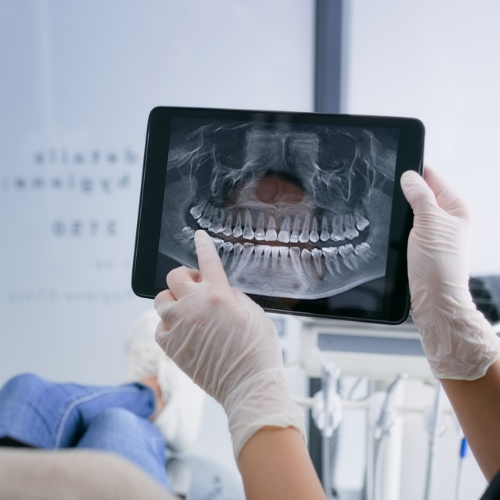
We’ll do a full exam, take digital scans, and assess whether implants are right for you. This is also where we’ll talk about costs, timelines, and which type of implant denture suits your lifestyle best.
Step 2: Implant Placement:
This is a minor surgical procedure done under local anesthesia (or sedation, if preferred). The titanium implants are placed into your jawbone. Depending on your case, you might receive temporary teeth the same day.
Step 3: Healing & Integration:
Over the next 3 to 6 months, your jawbone grows around the implants in a process called osseointegration. This creates a rock-solid foundation for your new teeth.
Step 4: Final Denture Placement:
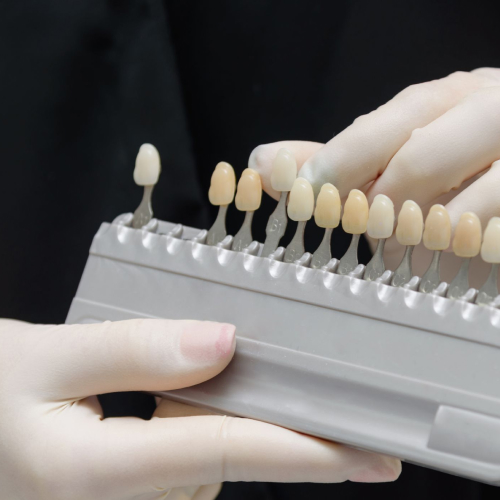
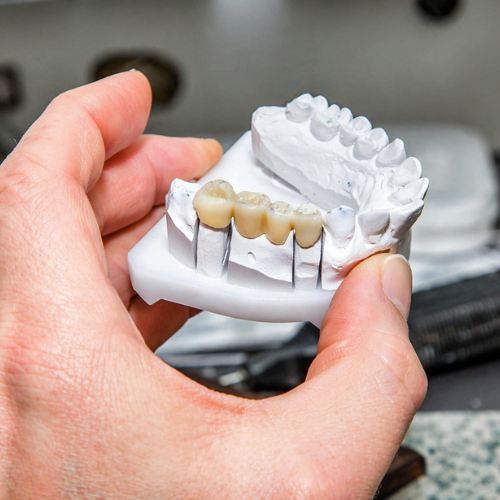
Once healing is complete, we create your custom dentures and attach them to the implants. Whether fixed or removable, they’re crafted to match your natural smile and bite.
Throughout the journey, we’re right there with you—from check-ins to adjustments. You won’t be navigating any of this alone.
Life After Implant-Retained Dentures
Once you’ve healed and gotten used to your new dentures, most patients describe the difference as night and day.
Here’s what life might look like:
- Eating is enjoyable again. You’ll bite, chew, and savor your meals without second-guessing every bite.
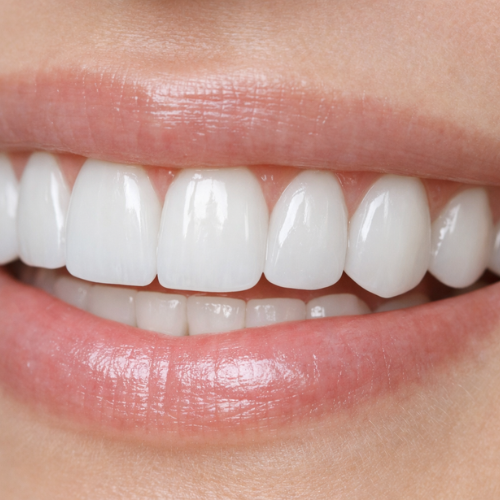
- Smiling feels natural. No more feeling self-conscious when someone pulls out a camera.
- Speaking is smoother. Because the dentures stay put, your speech becomes more clear and confident.
- No more denture glue. You’ll save time (and frustration) every morning.
- Your face stays fuller. Bone loss from missing teeth can make your cheeks appear sunken. Implants help preserve your facial structure.
Caring for Your New Smile
One of the best parts of implant-retained dentures is how easy they are to maintain. Here's a quick guide:
- Removable dentures: Clean them daily, soak them overnight, and brush your gums gently.
- Fixed dentures: Brush and floss as you would natural teeth. You may need special flossers or a water flosser to reach under the denture.
- Routine checkups: We’ll keep an eye on your implants and oral health during your regular dental visits.
With proper care, implant-retained dentures can last many years—sometimes even decades. And if the denture portion needs replacing, your implants can stay right where they are.
Final Thoughts
Dentures shouldn’t hold you back from living your life—and they definitely shouldn’t come with a daily dose of worry. Implant-retained dentures offer a stable, long-lasting solution for people who want to eat, laugh, and smile without hesitation.
At Bellflower Dental Group, we’re proud to offer this life-changing treatment. Whether you’re just starting to consider implants or you’ve been wearing traditional dentures for years, we’d love to talk through your options.
You deserve a smile that works for you, not against you.
Ready to see if implant-retained dentures are the right fit? Book a consultation with Bellflower Dental Group today and take the first step toward a more secure, confident smile.