
Smile Makeover vs. Simple Bonding and Whitening: What Actually Lasts?
Wondering if a smile makeover is better than simple bonding or whitening? Discover what actually lasts and book your consult at Bellflower Dental Group today!
Read More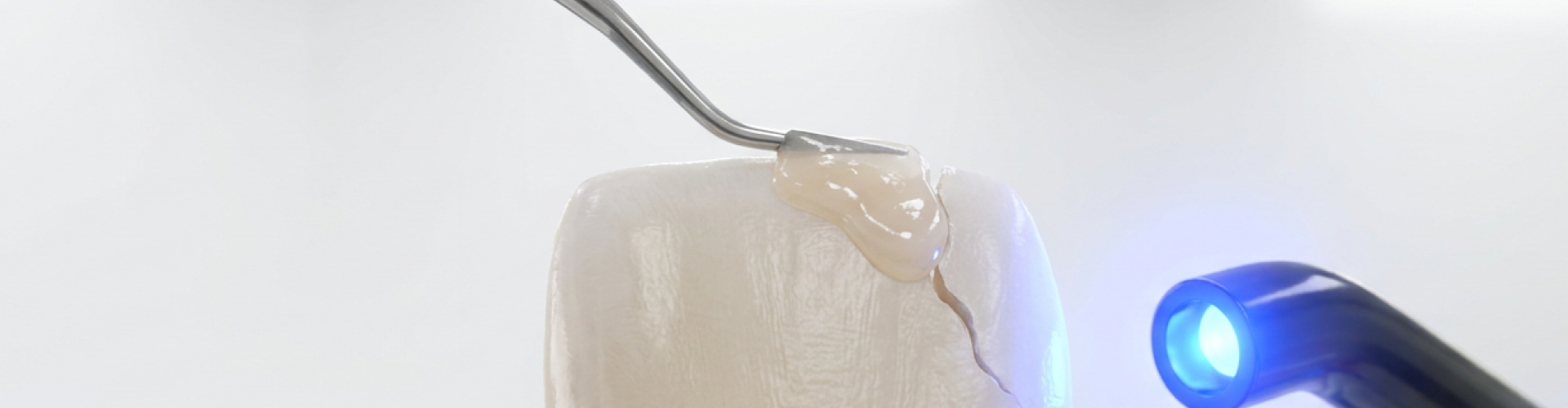
Dental bonding is one of the most accessible cosmetic fixes available — but the real decision isn't just about upfront value. For Bellflower-area patients, understanding how insurance codes, long-term maintenance, and margin failure work will help you decide whether bonding is the right choice for your smile. For patients weighing all their options, aesthetic dentistry services can help clarify which treatments best match your goals.
Many patients assume a chipped or cracked tooth automatically qualifies for insurance coverage when bonding is used. The reality is more complicated — and more frustrating.
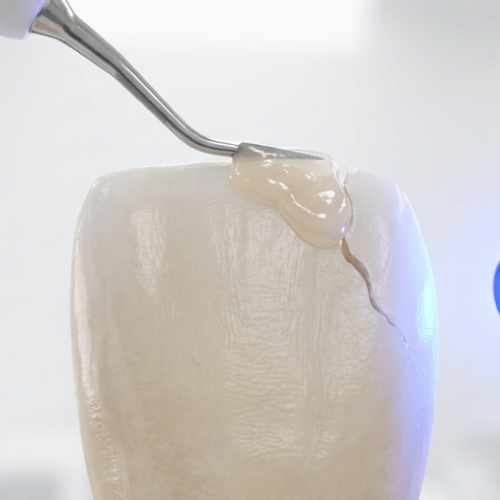
Insurance companies distinguish between restorative bonding and cosmetic bonding using CDT (Current Dental Terminology) codes. A claim coded as D2330 (one-surface anterior composite resin restoration) signals structural repair and may qualify for coverage. But when bonding is performed purely for aesthetics — closing a small gap, reshaping a slightly short tooth — no standard insurance code exists for that procedure, and most insurers will deny the claim outright.
The key phrase insurers use is "structural integrity." If your tooth's function is compromised — meaning the chip affects your bite, exposes dentin, or contributes to decay — coverage becomes more likely. If your tooth functions normally but you simply dislike its appearance, the procedure is classified as cosmetic, and you absorb the full out-of-pocket expense.
Before scheduling, ask your dentist to document the functional impact of your tooth's condition in the treatment notes. A well-documented claim citing structural compromise has a stronger path to partial coverage than one that reads as elective cosmetic work.
According to WebMD, some insurers do cover dental bonding when it's performed for structural reasons — but checking with your provider beforehand is essential.
Bonding has a genuinely low barrier to entry as cosmetic procedures go. But the 10-year picture looks different.
Composite resin — the material used in bonding — stains, dulls, and chips more readily than porcelain. Cleveland Clinic notes that bonding material typically lasts three to ten years before it needs touching up or replacing. In practice, heavy coffee drinkers or patients who grind their teeth often see that window shrink considerably.
Here's a realistic 10-year cost comparison to consider:
Treatment Typical Lifespan Replacements Over 10 Years Ongoing Maintenance Dental Bonding 3–7 years 1–3 replacements Repolishing, stain removal, minor repairs Porcelain Veneers 10–15 years 0–1 replacements Minimal; highly stain-resistant
The math can shift significantly when you factor in professional repolishing sessions, repairs after chipping, and full replacements. A Healthline overview of teeth bonding confirms the resin isn't as stain-resistant as other dental materials — and smoking or regular coffee consumption accelerates discoloration noticeably.
Bonding remains an excellent short-term solution, particularly for front teeth where bite pressure is lower. For patients seeking a longer-term investment in smile aesthetics, porcelain veneers may prove more economical across a decade — even with their higher starting point.
One of the most common concerns patients search for is whether teeth can "rot" under bonded resin. The anxiety is valid, and the mechanism behind it deserves a straight explanation.
The clinical term is microleakage. Over time, the bond between composite resin and your natural enamel can develop microscopic gaps at the margin — the edge where the two materials meet. Saliva, bacteria, and food particles seep into these gaps, creating conditions for decay that are invisible from the outside.
This doesn't happen because bonding is inherently unsafe. The ADA's oral health resources note that bonding fuses materials directly to enamel and dentin — but that bond degrades with time, especially under mechanical stress or poor oral hygiene.
A simple self-examination checklist can help you catch margin failure early:
If any of these appear, contact your dentist promptly. Caught early, margin failure is a simple repair. Left untreated, it can progress to a cavity filling or more extensive restoration.
Healthline's tooth restoration guide reinforces that composite resins, while strong and natural-looking, require monitoring to prevent decay from developing beneath the surface over time.
Dental bonding earns its reputation as a versatile, minimally invasive option. Here's an honest breakdown:
Pros:
Cons:
For patients with healthy teeth seeking minor corrections, bonding delivers strong results with minimal commitment. For more dramatic transformations — or for patients who want a longer-lasting solution — a conversation about veneers or crowns is worth having. Keeping up with regular cleaning and exam appointments also helps ensure bonded teeth are monitored for early signs of wear or margin failure.
Deciding between bonding, veneers, or other cosmetic treatments depends on your specific teeth, your goals, and your long-term plan for your smile. The best starting point is an honest conversation with a dentist who can evaluate your tooth structure and help you understand what coverage, if any, applies to your situation.
Bellflower Dental Group serves patients throughout Bellflower and the surrounding Southeast Los Angeles area. Schedule a consultation to get a clear picture of which cosmetic options are right for your smile — and what to realistically expect over time.
Medical disclaimer: This article is for informational purposes only and does not constitute professional dental or medical advice. Always consult a licensed dental provider for diagnosis, treatment recommendations, and coverage guidance specific to your situation.
Fresh news from the dental world...


Mon - Fri 9AM - 6PM
Saturday 9AM - 3PM
Sunday Closed
Check out what our patients are saying in Bellflower, CA...


“Great customer service!”
Great customer service and attentive staff! My 3 year old enjoyed his visit! Yes, I said he enjoyed it! He had to have X-rays done, and I was so worried that he wasn't gonna be a happy camper but the X-ray tech, Dominique, is so good with kids! The X-rays were fast and painless! Overall a great experience!

“Surpasses my expectations!”
Amazing staff! My experience at Bellflower Dental Group was outstanding. I highly recommend this dental group. I come to them for my braces, their ortho is incredible, the highlight of this dental group. The staff is amazing, their employees are so kind and take the time to perfect your braces.

“I love this dental office!”
I have been coming here for years. It is a one-stop-shop! You can get your x-rays, cleaning, braces, labs, dentures, toothbrushes, and more all right here. The staff is great, and they try to work with you if you need a payment plan. Never had any issues with any of the work done here!
“Great customer service!”
Great customer service and attentive staff! My 3 year old enjoyed his visit! Yes, I said he enjoyed it! He had to have X-rays done, and I was so worried that he wasn't gonna be a happy camper but the X-ray tech, Dominique, is so good with kids! The X-rays were fast and painless! Overall a great experience!
“Surpasses my expectations!”
Amazing staff! My experience at Bellflower Dental Group was outstanding. I highly recommend this dental group. I come to them for my braces, their ortho is incredible, the highlight of this dental group. The staff is amazing, their employees are so kind and take the time to perfect your braces.
Check out our accreditations, sources, and relationships in the wide world of dentistry...


Check us out and follow our Bellflower, CA practice on social media...


