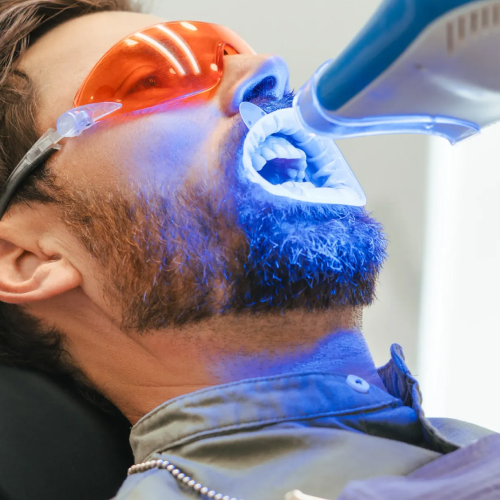
How Long Does Professional Teeth Whitening Actually Take to Work?
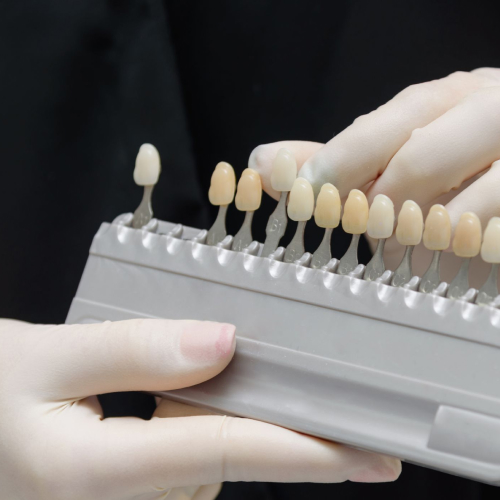
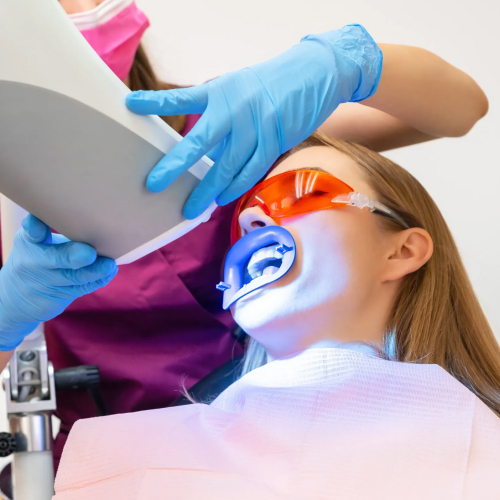
Bellflower patients: how long professional teeth whitening actually takes to work, why results vary by patient, and when you'll see shade changes. Book today.
Read More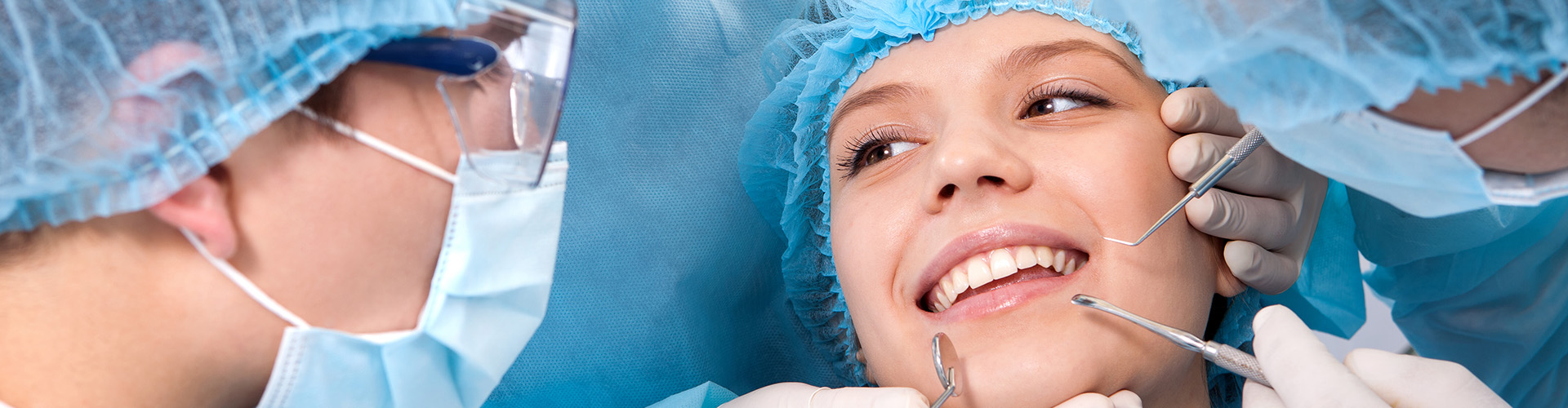
We get it - the idea of oral surgery can be a bit daunting. The term itself can make you want to grip your dentist's chair a bit tighter. However, there's no need to worry. This post is here to pull back the curtain, give you a clearer idea of what to expect, and offer tips on preparing for oral surgery.
Oral surgery, often referred to as oral and maxillofacial surgery, is a specialized field in dentistry that focuses on diagnosing and treating a broad array of diseases, injuries, defects, and aesthetic aspects of the mouth, teeth, jaws, and face. It's a crucial discipline that ensures our ability to speak, eat, and smile confidently.
At a fundamental level, oral surgery encompasses any surgical procedure performed in or around your mouth and jaw. But to give you a better idea, let's delve into some common types of oral surgery:
Tooth Extractions: These are one of the most common types of oral surgeries. While most of us hope to keep all our teeth intact for a lifetime, circumstances like decay, injury, or crowding can necessitate extraction. One prevalent example is the removal of wisdom teeth or third molars, which often lack the space to emerge or grow normally.
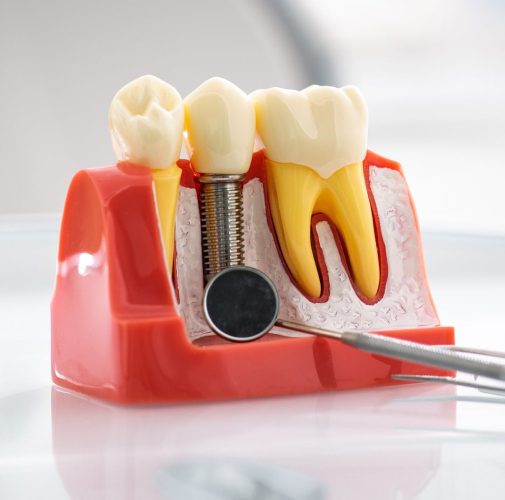
Dental Implants: After losing a tooth, dental implants serve as a great option to restore your smile. These involve placing a metal post into the jawbone, which acts as an anchor for a replacement tooth.
Corrective Jaw (Orthognathic) Surgery: This procedure is performed to correct minor to major skeletal and dental irregularities, including misalignment of jaws and teeth, which can improve chewing, speaking, and breathing.
Oral Pathology: Oral surgeons diagnose and treat diseases of the mouth, including tumors or cysts of the jaws, and malignancies like oral cancer.
TMJ Disorders: The temporomandibular joint (TMJ) connects your jaw to your skull. Disorders affecting this joint can cause pain and problems with jaw movement. While less invasive treatments are usually tried first, in severe cases, TMJ surgery can be performed to provide relief.
Facial Trauma Repair: Oral surgeons are often involved in repairing facial injuries, including fractures of the upper and lower jaws and orbits, and the repair of facial lacerations.
Cleft Lip and Palate Repair: These are common birth defects that occur when a baby's lip or mouth do not form properly during pregnancy. An oral surgeon often plays a key role in the multi-disciplinary team managing these conditions.
Sleep Apnea: For patients who fail to respond to conservative treatments, surgical options such as uvulopalatopharyngoplasty, genioglossus advancement, or maxillomandibular advancement may be considered.
It's natural to feel a little apprehensive about any surgical procedure, and oral surgery is no different. However, let's be clear: the overwhelming majority of oral surgeries are routine, straightforward, and pose little risk when performed by a skilled oral surgeon.
In fact, it’s often riskier to ignore oral health problems. Left untreated, many dental conditions can worsen over time, potentially causing more severe health issues. That being said, as with any surgery, there are always risks, such as infection, bleeding, or reactions to anesthesia. Your dentist or oral surgeon will discuss these with you in detail before the procedure, along with precautions taken to mitigate them.
There are a few key things to avoid in the days leading up to your oral surgery:
Smoking: We all know smoking isn't great for our overall health, but it's particularly detrimental when you're gearing up for oral surgery. Smoking can delay healing and increase the risk of complications. If possible, try to quit several weeks before your surgery.
Certain Medications: Some medications can thin your blood, which might lead to excess bleeding during the surgery. Always inform your dentist about any medications you're taking. They'll guide you on what to continue and what to stop.
Eating and Drinking: You'll typically need to fast - that means no food or drink - for at least 6 to 8 hours before the surgery, especially if general anesthesia is being used. Your dental team will give you specific instructions about this.
Now that we've addressed some common concerns, let's look at the key steps to prepare for oral surgery:
Understand the Procedure: Your dentist will explain the procedure, what to expect during the surgery, and the post-surgery recovery process. Make sure to ask any questions you might have.
Arrange Transportation: If you're undergoing a procedure that involves sedation or general anesthesia, you won't be able to drive yourself home afterwards. Be sure to organize a ride.
Prepare for Recovery: Depending on the procedure, you may need a few days to recover. Stock up on soft foods and arrange for time off work if needed.
Follow Pre-Surgery Instructions: Your dental team will give you detailed instructions to follow in the days leading up to the surgery. This might include guidelines on eating, drinking, and medication.
Post-surgery, your mouth will likely feel a little sore and swollen. Ice packs and over-the-counter pain medication can help manage this. Stick to soft foods and avoid any strenuous activity. Most importantly, keep your mouth clean to prevent infection. Gentle rinsing with warm salt water can be very effective.
Remember, each individual’s recovery experience can vary. If you have concerns or if pain and swelling persist, don't hesitate to reach out to your dentist or oral surgeon.
There you have it! Oral surgery isn't as scary as it sounds. Armed with knowledge and preparation, you can approach your procedure with confidence. We're here to help at every step of the way.
At our clinic, we believe in a personalized approach, discussing your concerns, explaining your options, and walking you through the process. We're committed to providing the best care possible for your oral health needs. If you have any questions or need to schedule an oral surgery consultation, don't hesitate to get in touch with us. Here's to your health, and to a smile that never fades!
Fresh news from the dental world...




Mon - Fri 9AM - 6PM
Saturday 9AM - 3PM
Sunday Closed
Check out what our patients are saying in Bellflower, CA...


“Great customer service!”
Great customer service and attentive staff! My 3 year old enjoyed his visit! Yes, I said he enjoyed it! He had to have X-rays done, and I was so worried that he wasn't gonna be a happy camper but the X-ray tech, Dominique, is so good with kids! The X-rays were fast and painless! Overall a great experience!

“Surpasses my expectations!”
Amazing staff! My experience at Bellflower Dental Group was outstanding. I highly recommend this dental group. I come to them for my braces, their ortho is incredible, the highlight of this dental group. The staff is amazing, their employees are so kind and take the time to perfect your braces.

“I love this dental office!”
I have been coming here for years. It is a one-stop-shop! You can get your x-rays, cleaning, braces, labs, dentures, toothbrushes, and more all right here. The staff is great, and they try to work with you if you need a payment plan. Never had any issues with any of the work done here!
“Great customer service!”
Great customer service and attentive staff! My 3 year old enjoyed his visit! Yes, I said he enjoyed it! He had to have X-rays done, and I was so worried that he wasn't gonna be a happy camper but the X-ray tech, Dominique, is so good with kids! The X-rays were fast and painless! Overall a great experience!
“Surpasses my expectations!”
Amazing staff! My experience at Bellflower Dental Group was outstanding. I highly recommend this dental group. I come to them for my braces, their ortho is incredible, the highlight of this dental group. The staff is amazing, their employees are so kind and take the time to perfect your braces.
Check out our accreditations, sources, and relationships in the wide world of dentistry...


Check us out and follow our Bellflower, CA practice on social media...


