Can Ozone Replace a Root Canal — Or Make One Work Better?
Discover if ozone therapy can replace a root canal or improve your results. Learn about the safety and benefits of ozone in dentistry. Book your consult today!
Read More
Dental health requires the right expert touch, depending on your particular needs. In the world of dental care, you'll likely encounter professionals known as general dentists and periodontists. Both are there to keep your smile radiant, but their expertise and practice areas are quite distinct. This blog will shed light on the differences between these two professions, the hallmark signs of gum disease, its reversibility, and the potential costs of treating it.
Your general dentist is the one you see for your usual dental visits, cleanings, and overall oral care. They are well-versed in diagnosing and treating a variety of dental problems like cavities and gum disease and providing education on oral hygiene. Cosmetic treatments like teeth whitening, veneers, and dental bonding also fall within their purview. For most common dental issues and preventive care, your general dentist is the one to see.
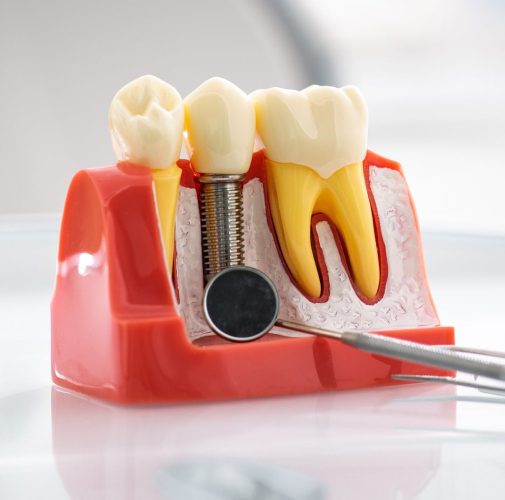
Periodontists, however, are dental specialists with a specific focus on preventing, diagnosing, and treating periodontal (gum) disease, as well as implanting dental fixtures. Their education extends beyond dental school with additional years spent mastering the health and treatment of gum tissues and the structures that support teeth. They possess the skills to perform advanced gum disease treatments, such as scaling and root planing, gum grafts, and bone regeneration.
While your general dentist is equipped to diagnose and treat early stages of gum disease, more severe cases may warrant the expertise of a periodontist. Here are some symptoms that you might need to schedule a visit with a periodontist:
If any of these symptoms sound familiar, it's crucial to book an appointment with a dental professional to evaluate the extent of your gum disease and determine an appropriate treatment plan.
One of the most common signs of periodontal disease is gums that are red, swollen, and bleed. These symptoms indicate inflammation and bacterial activity damaging the gum tissue and underlying bone. If left unaddressed, periodontal disease can worsen, leading to receding gums, loose teeth, and eventual tooth loss. Early detection is critical to prevent further damage and preserve your oral health.
There's a silver lining: in its initial stages, periodontal disease (also known as gingivitis) can be reversed. Regular brushing, flossing, and dental cleanings can help rejuvenate your gum health and prevent gum disease from progressing. However, if the condition evolves into periodontitis, the harm to the gums and bone structure might be permanent. In such cases, the goal of treatment is to manage the disease's progression and prevent further damage. Hence, early intervention is the key to maintaining healthy gums and teeth.
The cost of treating periodontal disease can fluctuate based on the severity of your condition and the treatment methods required. Factors that can affect the cost include:
For mild to moderate gum disease, a deep cleaning procedure known as scaling and root planing might be recommended by your general dentist. The cost for this treatment can range from a hundred to a few hundred dollars per quadrant of the mouth, influenced by the factors listed above. Remember, dental insurance may cover some, if not all, of these costs.
If you need more advanced care from a periodontist, such as gum grafts, bone regeneration, or dental implants, the costs will likely increase. Gum grafts can run from several hundred to a thousand dollars per tooth, while dental implants can range anywhere from a thousand to several thousand dollars per tooth. Once again, your dental insurance may cover some of these costs, but it's always a good idea to check your policy for specific coverage details.
Avoiding the complexities and costs associated with periodontal disease is best achieved through diligent oral hygiene and regular check-ups with your general dentist. By identifying gum disease early, you can sidestep the need for more invasive and costly treatments later on.
Establishing a regular oral hygiene routine is crucial. Brush your teeth twice a day, floss daily, and consider an antimicrobial mouthwash to help minimize plaque and bacteria. Changing your toothbrush or toothbrush head every three to four months also ensures effective cleaning.
Furthermore,** supporting your oral health can be as simple as living a healthy lifestyle**. Consuming a balanced diet, rich in vitamins and minerals like calcium and vitamin C, can promote stronger teeth and healthier gums. Try to limit your intake of sugary and acidic foods and drinks, as they can contribute to tooth decay and gum disease.
Staying hydrated is also vital for overall oral health. Drinking water throughout the day helps wash away food particles and bacteria and encourages saliva production, which helps neutralize harmful acids in your mouth.
Avoiding tobacco in all its forms is another crucial part of maintaining good oral health. Whether it's smoking or chewing tobacco, both increase your risk of developing gum disease and other oral health problems.
Understanding when to consult a periodontist versus a general dentist is key to maintaining optimal oral health. If you suspect you have gum disease or are experiencing any of the symptoms mentioned, don't delay in booking a consultation with a dental professional. They can identify the best course of action for your specific needs, ensuring your gums and teeth receive the appropriate care.
At our clinic, we prioritize your oral health and aim to help you make informed decisions about your dental care. Whether you need the specialized skills of a periodontist or the comprehensive care of a general dentist, we have the resources and professionals to meet your needs. Don't let symptoms worsen; get in touch with us today to book a consultation and take the first step towards a healthier smile.
Fresh news from the dental world...




Mon - Fri 9AM - 6PM
Saturday 9AM - 3PM
Sunday Closed
Check out what our patients are saying in Bellflower, CA...


“Great customer service!”
Great customer service and attentive staff! My 3 year old enjoyed his visit! Yes, I said he enjoyed it! He had to have X-rays done, and I was so worried that he wasn't gonna be a happy camper but the X-ray tech, Dominique, is so good with kids! The X-rays were fast and painless! Overall a great experience!

“Surpasses my expectations!”
Amazing staff! My experience at Bellflower Dental Group was outstanding. I highly recommend this dental group. I come to them for my braces, their ortho is incredible, the highlight of this dental group. The staff is amazing, their employees are so kind and take the time to perfect your braces.

“I love this dental office!”
I have been coming here for years. It is a one-stop-shop! You can get your x-rays, cleaning, braces, labs, dentures, toothbrushes, and more all right here. The staff is great, and they try to work with you if you need a payment plan. Never had any issues with any of the work done here!
“Great customer service!”
Great customer service and attentive staff! My 3 year old enjoyed his visit! Yes, I said he enjoyed it! He had to have X-rays done, and I was so worried that he wasn't gonna be a happy camper but the X-ray tech, Dominique, is so good with kids! The X-rays were fast and painless! Overall a great experience!
“Surpasses my expectations!”
Amazing staff! My experience at Bellflower Dental Group was outstanding. I highly recommend this dental group. I come to them for my braces, their ortho is incredible, the highlight of this dental group. The staff is amazing, their employees are so kind and take the time to perfect your braces.
Check out our accreditations, sources, and relationships in the wide world of dentistry...


Check us out and follow our Bellflower, CA practice on social media...


