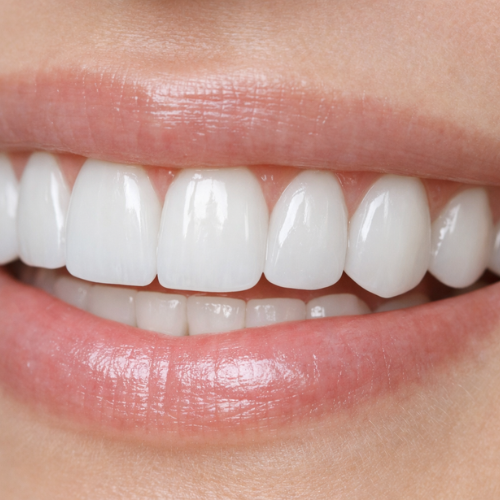
Young kids with no evident crowding or tilt to their teeth may benefit from an orthodontic examination. The American Academy of Orthodontics advises that all children see an orthodontist by age seven. This approach argues that early treatment may enhance results when a need for braces is detected. It is important to know that as you get older, your jaw will continue to develop, which might increase the crowding of your teeth or a narrowing of your smile. If you put off getting treatment for an overbite or crooked teeth, the condition won't get better on its own and won't go away.
What Exactly Is Orthodontic Treatment?
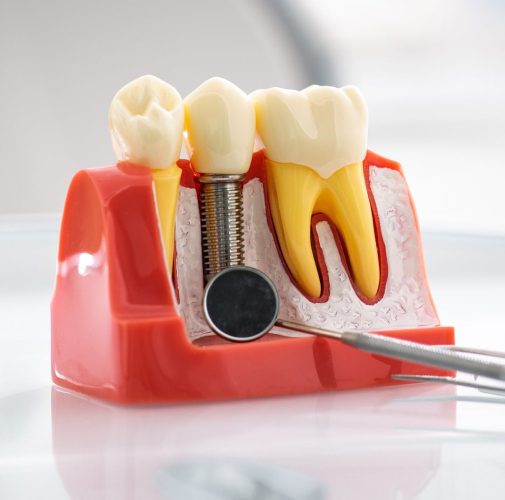
A field of dentistry known as orthodontics focuses on the diagnosis, prevention, interception, guiding, and repair of improper bites or dental abnormalities. The goal of orthodontic therapy is to enhance the look of the teeth and how they function by repositioning or straightening them in the mouth. Because the pressure of biting is distributed evenly over all of your teeth, this practice may also increase the long-term health of your teeth, gums, and jaw joints.
Who Should You See If You Need Orthodontic Treatment?
When it comes to orthodontic treatment, you should seek the advice of a trained professional known as an orthodontist rather than visiting a dentist. After completing their first four years of dentistry school, these experts continue their studies for an additional two or more years.
Types Of Orthodontic Treatment:
An orthodontist can perform the following treatments:
-Straightening crooked teeth
-Closing large gaps between the teeth
-Aligning the tips of the teeth
-Improving the ability of speech and chewing
-Enhancing the long-term health of gums and teeth
_-Preventing long-term excessive wear or trauma to the teeth _
_-Treating an improper bite _
How Do Orthodontic Treatments Work?
Different kinds of orthodontic equipment are used in the treatment process to retrain the muscles, gradually shift the teeth, and influence the development of the jaw by exerting moderate pressure on the teeth and the jaw. Fixed and removable orthodontic appliances are available. The orthodontist will advise you on the course of action that is ideal for you based on the severity of the problem you are experiencing. The following is a list of some of the appliances:
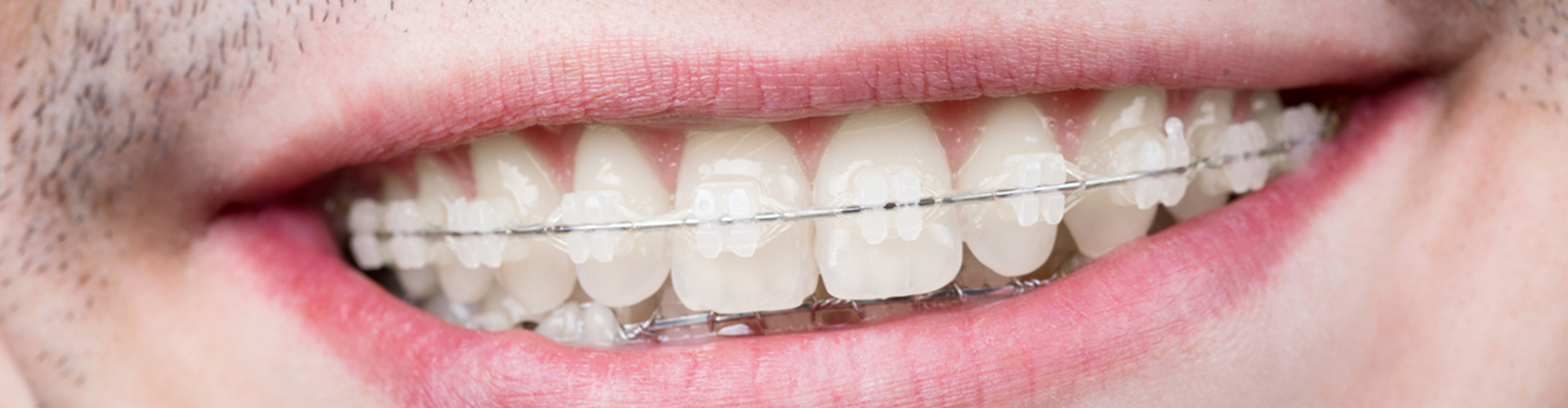
-Braces- They are the most prevalent kind of fixed appliance. They are made up of bands, wires, and brackets. The bands are the anchors which have the responsibility to secure your teeth in place. Brackets are placed in front of your teeth. The brackets are connected to the bands by archwires. Tightening the archwires exerts pressure on your teeth, gradually pushing them to their desired position. Braces are often adjusted regularly and worn for many months to several years.
-Special fixed appliances- To regulate thumb sucking or tongue thrusting, they should only be employed as a last option. They may be rather painful when consuming since they are linked to the teeth by bands.
-Fixed space maintainers- This appliance is for young children with early tooth loss. In such cases, your child's orthodontist may insert a space maintainer in their mouth to keep the gap open until a permanent tooth emerges.
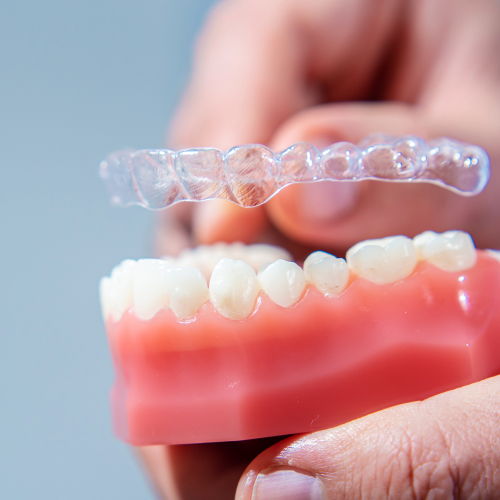
-Clear aligners- These are rapidly gaining popularity among adults as a viable alternative to the more conventional orthodontic appliances. Aligners shift teeth in the same manner as braces, however, unlike braces, aligners are almost undetectable & do not require metal wires or brackets. If you are wearing them, you need to take them out before you eat, clean your teeth, or floss your teeth.
-Removable space maintainers- The same logic applies to the use of these devices as it does to that of fixed space maintainers. They consist of a foundation made of acrylic worn over the jaw and branches made of either plastic or wire. They are inserted into the empty areas between the teeth to maintain the spacing between them.
-Jaw repositioning appliances- These medical aids are also known as splints in certain circles. A dentist may treat TMJ issues with these devices, which are attached to the upper or lower jaw, and work by retraining the jaw to shut in a more advantageous posture.
-Lip and cheek bumpers- The muscles in your lip and cheek may pressure your teeth. When this happens, you may want to employ bumpers to protect your lips and cheeks from coming into contact with your teeth.
-Removable retainers- These devices, worn on the roof of the mouth, stop the teeth from moving back to the position they were before the braces were worn.
Who Needs Orthodontic Treatment?
Those showing the following symptoms may require orthodontic treatment:
-Taking breaths through one's mouth
-Jaws that can snap and produce other noises
-Tending to bite one's tongue or the inside of their cheeks by mistake
_-Using a pacifier or sucking on one's thumb after the age of two _
-Premature or delayed loss of primary teeth
-Teeth that do not align with one another even when the mouth is closed
-Teeth that are packed together or that are crooked
What Is The Best Age For Orthodontic Treatment?
The appropriate age for braces varies from person to person. Orthodontic treatment with braces usually starts between 9 and 14, when youngsters develop permanent teeth. However, bracing therapy as a youngster is not an option for some individuals. Many patients must postpone orthodontic treatment until they reach adulthood due to cost, discomfort, or a lack of diagnosis.
How Long Does Orthodontic Treatment Last?
The duration of an individual patient's orthodontic treatment might vary greatly from case to case. While it may remedy some issues in much less time than others, the typical duration of orthodontic treatment is close to two years. However, orthodontists may cure milder difficulties in as little as six months, but those that are more complicated can take three years or more to repair. Orthodontics is not a one-size-fits-all treatment since each patient's mouth is different.
Conclusion
The obvious conventional indicator that you or your child could require braces or, more specifically, orthodontic treatment is crooked and overcrowded teeth. Adults and children of any age may need orthodontic treatment for various reasons, including but not limited to, inadequate nutrition during the newborn and toddler stages, poor oral hygiene, and heredity. Another common misconception is that to decide whether or not a kid needs braces, it is necessary to wait for all of the permanent teeth to erupt before making that determination.
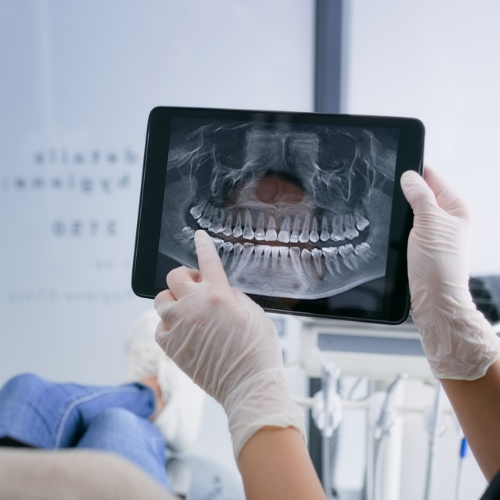
There is a distinction between desiring orthodontic treatment for one's appearance and requiring orthodontic treatment to maintain one's oral health. However, only your orthodontist can make an accurate determination as to whether or not a certain orthodontic treatment is appropriate for you. Your orthodontist will devise a treatment strategy tailored to your needs and those of your teeth by using diagnostic techniques such as clinical evaluations, plastic models of your teeth, and X-rays.