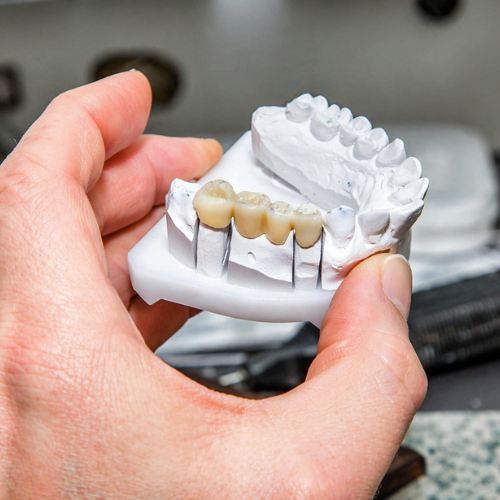
When One Missing Tooth Starts Causing More Trouble Than You Expected
Learn how a dental bridge replaces a missing tooth, who it helps, and how long it can last at Bellflower Dental Group.
Read More
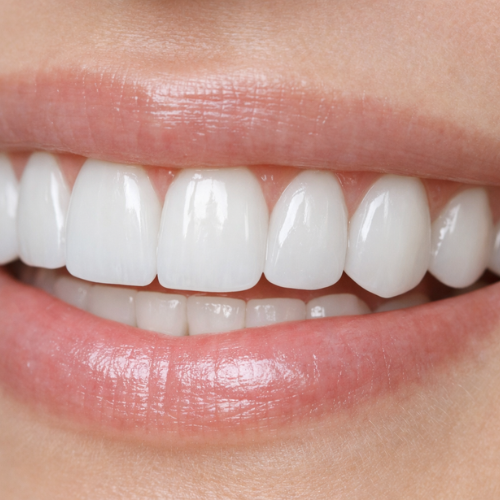
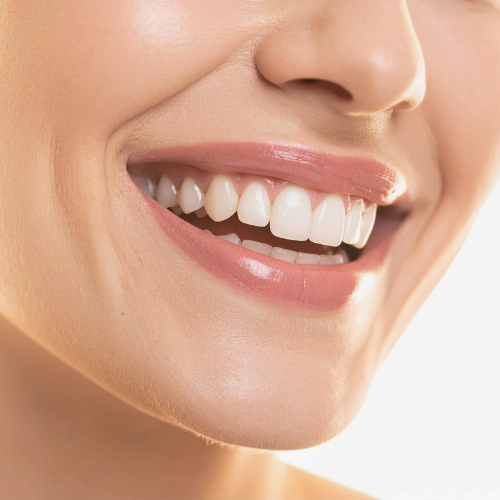
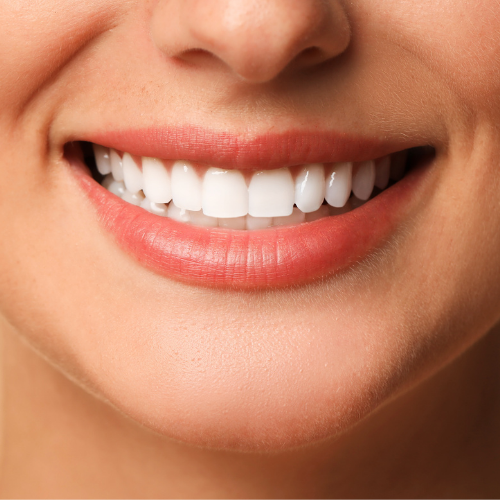
Have you ever glanced in the mirror and felt that extra boost of confidence from your newly whitened teeth? It’s an amazing feeling—like you could walk out the door and dazzle the whole world with your smile. But keeping that gleaming look isn’t just about admiring it; it’s about knowing how to care for your teeth after the procedure so you can enjoy those gorgeous results for as long as possible.
At Bellflower Dental Group, we’ve seen how a whiter smile can make our patients feel like the best versions of themselves. And yes, we’re thrilled that you’ve taken that step. Now let’s talk about what happens after the whitening process. Think of it like finishing a great workout—you don’t just stop and eat junk food right away; you continue to take steps that help keep you on track. Your teeth are the same way. They need a little TLC to stay bright and shine on.
Below, you’ll find tips, friendly advice, and answers to some of the most common questions we hear about post-whitening care. By the time you reach the end, you’ll be more than ready to keep your newly brightened smile in tip-top shape.
When you undergo professional teeth whitening, the bleaching agents (often hydrogen peroxide or carbamide peroxide) penetrate the porous enamel to lift and remove deep-set stains. This is a very effective way to give you a brighter smile, but it also means your teeth can be more susceptible to re-staining for a short period, especially in the first 24-48 hours. Think of your enamel as a sponge that has been deeply cleansed. For a short while, it’s a bit more absorbent, which is why the post-whitening window matters so much.
During this time, the key is to avoid habits and substances that could send new stains right back into those freshly cleaned areas. Over time—usually within a couple of days—your tooth enamel returns to its normal state. But in the meantime, you’ll want to use a bit of caution.
For most people, it usually takes about two days—sometimes three—for the teeth to stabilize after a whitening session. During that time, the pores in your enamel are still relatively open, making it easier for stains to sneak in. But once those pores start to close, you can gradually introduce your typical diet back into your routine.
Here’s a brief guideline:
One extra note: Even once you’re past the initial 48 hours, being mindful of food choices can yield longer-lasting results. If you indulge in something that might stain your shirt, there’s a decent chance it could also stain your teeth over time.
1. Stick to a Regular Routine: You know how a daily shower keeps you fresh? A consistent oral hygiene routine works the same way. Keep brushing at least twice a day, floss daily, and use a mouthwash if recommended. Staying consistent is essential for preventing new stains and preserving your white teeth.
2. Watch the Acid: Soda and other acidic beverages can weaken enamel, making it more susceptible to stains. If you do drink something acidic, try following it up with water to help rinse away leftover acids.
3. Touch-Up Treatments: Your teeth can still be exposed to staining factors like coffee, wine, and certain foods, so consider periodic touch-up whitening. Depending on your habits and preferences, this might be once every few months or once a year. Just consult with a dental professional before deciding on a frequency.
4. Cleanings and Exams: Professional cleaning and exam sessions are a fabulous way to ensure that any plaque buildup or superficial staining is addressed in a timely manner. If you keep your regular visits with Bellflower Dental Group, we’ll help keep your teeth healthy and bright, and make sure potential dental issues are caught early. Staying on top of these appointments is one of the best investments you can make for your smile.
If you’re a coffee aficionado, the idea of giving it up—especially in the morning—can feel like torture. Here’s the deal: Ideally, you should wait about 48 hours. That’s the sweet spot where your enamel is most vulnerable to absorbing those coffee pigments. If you really can’t bear the thought of skipping your daily cup, try these strategies:
Remember, coffee is acidic, too, so waiting a little longer before reintroducing it can also help minimize sensitivity. Once you’re in the clear, be mindful of how often you sip. Frequent coffee drinkers see more staining over time, which can lead to repeat whitening sessions sooner than necessary.
Right after bleaching, there are a few key items and habits you’d do well to steer clear of, at least temporarily:
A lot of people worry that whitening will leave them with permanent sensitivity, but that’s rarely the case. If you do notice extra sensitivity:
The sensitivity typically subsides on its own. If it lasts longer than a week or becomes severe, it’s a good idea to check back in with a dental professional—particularly the one who handled your whitening.
If you’re considering a whitening treatment for the first time or looking to maintain the results you already have, our friendly team at Bellflower Dental Group is here to help. Whether you need advice about aftercare, want to explore safe whitening options, or simply want to schedule an appointment, we’re just a phone call away.
We’re firm believers that a healthy smile is a beautiful smile. Post-whitening care is a big piece of the puzzle, but regular professional maintenance can take your smile to the next level. So, if you haven’t had a cleaning and exam recently, now might be the perfect time. By staying proactive, you can keep that shining grin looking its best for years to come.
Whitening your teeth can feel like opening the door to a new and brighter you. Yet, it’s the care you give them afterwards that will make all the difference in how long those results last. By being mindful of what you eat and drink during the first couple of days, brushing and flossing consistently, and coming in for periodic check-ins, you’ll do wonders for extending that fresh, revitalized look.
If you have questions or concerns about post-whitening sensitivity, which products to use, or how often you might need a touch-up, we’ve got answers tailored to your specific needs. Our goal is to help you keep smiling confidently, day after day. So, whenever you’re ready, give us a call, send us a message, or stop by our office in Bellflower. We’d love to see you—and your dazzling smile—soon.
Fresh news from the dental world...



Mon - Fri 9AM - 6PM
Saturday 9AM - 3PM
Sunday Closed
Check out what our patients are saying in Bellflower, CA...


“Great customer service!”
Great customer service and attentive staff! My 3 year old enjoyed his visit! Yes, I said he enjoyed it! He had to have X-rays done, and I was so worried that he wasn't gonna be a happy camper but the X-ray tech, Dominique, is so good with kids! The X-rays were fast and painless! Overall a great experience!

“Surpasses my expectations!”
Amazing staff! My experience at Bellflower Dental Group was outstanding. I highly recommend this dental group. I come to them for my braces, their ortho is incredible, the highlight of this dental group. The staff is amazing, their employees are so kind and take the time to perfect your braces.

“I love this dental office!”
I have been coming here for years. It is a one-stop-shop! You can get your x-rays, cleaning, braces, labs, dentures, toothbrushes, and more all right here. The staff is great, and they try to work with you if you need a payment plan. Never had any issues with any of the work done here!
“Great customer service!”
Great customer service and attentive staff! My 3 year old enjoyed his visit! Yes, I said he enjoyed it! He had to have X-rays done, and I was so worried that he wasn't gonna be a happy camper but the X-ray tech, Dominique, is so good with kids! The X-rays were fast and painless! Overall a great experience!
“Surpasses my expectations!”
Amazing staff! My experience at Bellflower Dental Group was outstanding. I highly recommend this dental group. I come to them for my braces, their ortho is incredible, the highlight of this dental group. The staff is amazing, their employees are so kind and take the time to perfect your braces.
Check out our accreditations, sources, and relationships in the wide world of dentistry...


Check us out and follow our Bellflower, CA practice on social media...


