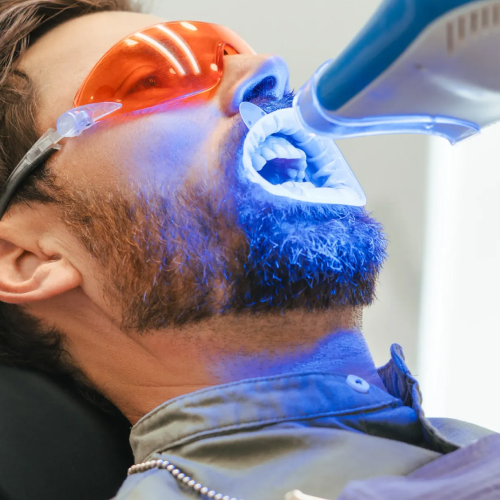
How Long Does Professional Teeth Whitening Actually Take to Work?
Bellflower patients: how long professional teeth whitening actually takes to work, why results vary by patient, and when you'll see shade changes. Book today.
Read More
For many parents, cavities feel like something that happens suddenly. One day your child is smiling, eating happily, and brushing every morning and night. The next, a dentist points out a small spot that needs treatment. It can feel confusing, frustrating, and sometimes even a little guilt inducing.
The truth is that cavities in children are incredibly common, even in households where parents are doing their best. Baby teeth are more vulnerable than adult teeth, kids’ habits are still forming, and small issues can quietly develop long before pain shows up.
Understanding how cavities start, what signs to watch for, and how prevention really works can make a meaningful difference. It helps parents feel more confident and helps kids build a healthier relationship with dental care early on.
At Bellflower Dental Group, we see cavities as a chance to educate, support, and protect growing smiles before small problems become bigger ones.
This is one of the most common and understandable questions parents ask. Brushing daily is important, but cavities are rarely caused by just one factor.
Children’s teeth have thinner enamel than adult teeth. That outer layer is what protects teeth from acids and bacteria. Because it is thinner, it breaks down more quickly when plaque builds up, even for short periods.
There are also several everyday factors that make cavities more likely in kids.
Here are some reasons cavities develop despite regular brushing:
It is also worth noting that brushing alone does not remove plaque between teeth. This is why flossing, even in young children, becomes important as soon as teeth touch.
Cavities do not usually start with pain. In fact, many early cavities cause no discomfort at all. This is why routine dental visits are so important, and why parents often feel surprised when a cavity is found.
That said, there are subtle signs parents can watch for at home.
Early cavity signs may include:
Because baby teeth eventually fall out, some parents assume cavities are less important. In reality, untreated cavities can lead to infection, pain, difficulty eating, and problems with permanent teeth developing underneath.
Early detection allows for simpler treatments and helps children avoid stressful dental experiences later on.
Prevention is not about perfection. It is about consistency, guidance, and setting kids up with habits they can actually maintain.
The most effective cavity prevention strategies combine home care, smart nutrition choices, and professional dental support.
Daily habits that make a real difference:
Beyond home care, professional preventive treatments can be incredibly helpful.
Dental prevention options often include:
Preventing cavities is not about avoiding treats entirely. It is about balance, awareness, and making dental care feel normal rather than stressful.
How children experience the dentist early on often shapes how they feel about dental care for life. When visits are calm, educational, and positive, kids are more likely to cooperate and maintain healthy habits as they grow.
At Bellflower Dental Group, we focus on making children feel safe and understood. We explain things in age appropriate ways, move at a comfortable pace, and involve parents in every step.
A calm experience helps children build trust, which makes prevention and early treatment much easier in the long run.
The best time to address cavities is before they cause pain or require extensive treatment. Regular checkups allow dentists to spot early changes, reinforce good habits, and guide parents through each stage of their child’s dental development.
If it has been a while since your child’s last visit, or if you have noticed changes in their teeth or eating habits, it may be time to schedule an appointment.
Healthy smiles start with early care and ongoing support. Contact Bellflower Dental Group today to schedule your child’s dental appointment and take a confident step toward protecting their smile now and in the years ahead.
Fresh news from the dental world...




Mon - Fri 9AM - 6PM
Saturday 9AM - 3PM
Sunday Closed
Check out what our patients are saying in Bellflower, CA...


“Great customer service!”
Great customer service and attentive staff! My 3 year old enjoyed his visit! Yes, I said he enjoyed it! He had to have X-rays done, and I was so worried that he wasn't gonna be a happy camper but the X-ray tech, Dominique, is so good with kids! The X-rays were fast and painless! Overall a great experience!

“Surpasses my expectations!”
Amazing staff! My experience at Bellflower Dental Group was outstanding. I highly recommend this dental group. I come to them for my braces, their ortho is incredible, the highlight of this dental group. The staff is amazing, their employees are so kind and take the time to perfect your braces.

“I love this dental office!”
I have been coming here for years. It is a one-stop-shop! You can get your x-rays, cleaning, braces, labs, dentures, toothbrushes, and more all right here. The staff is great, and they try to work with you if you need a payment plan. Never had any issues with any of the work done here!
“Great customer service!”
Great customer service and attentive staff! My 3 year old enjoyed his visit! Yes, I said he enjoyed it! He had to have X-rays done, and I was so worried that he wasn't gonna be a happy camper but the X-ray tech, Dominique, is so good with kids! The X-rays were fast and painless! Overall a great experience!
“Surpasses my expectations!”
Amazing staff! My experience at Bellflower Dental Group was outstanding. I highly recommend this dental group. I come to them for my braces, their ortho is incredible, the highlight of this dental group. The staff is amazing, their employees are so kind and take the time to perfect your braces.
Check out our accreditations, sources, and relationships in the wide world of dentistry...


Check us out and follow our Bellflower, CA practice on social media...


