You might not realize it, but sleep apnea is surprisingly common and often undiagnosed. If you wake up tired even after a full night’s sleep, or if someone’s complained about your snoring, there’s a chance you could be living with sleep apnea and not even know it.
At Bellflower Dental Group, we see firsthand how many people suffer for years without realizing what’s going on. That’s why we’re diving into who’s most at risk of developing sleep apnea, what signs to watch for, and how to take the next step toward treatment that could change your life.
What are the chances I have sleep apnea?
Sleep apnea affects people from all walks of life, but your chances increase depending on several key factors. Let’s break it down.
1. You Snore—A Lot:
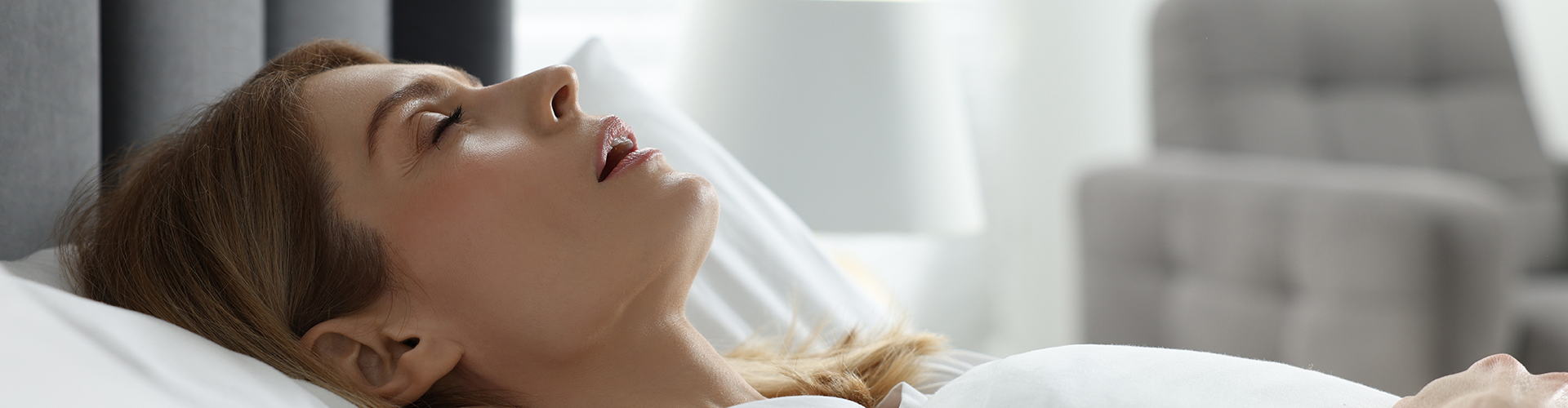
Not everyone who snores has sleep apnea, but almost everyone with sleep apnea snores. It’s one of the most noticeable symptoms, especially if your partner has to nudge you awake or escape to the couch just to get some rest. Loud, chronic snoring—especially when it’s interrupted by choking or gasping sounds—is a major red flag.
2. You’re Tired During the Day, No Matter How Much You Sleep:
Do you wake up feeling like you didn’t sleep at all? Are you struggling to stay awake during meetings, while watching TV, or even behind the wheel? Daytime fatigue is one of the biggest indicators of untreated sleep apnea. You may think you’re getting a full night’s rest, but your body is actually waking up repeatedly without you realizing it.
3. You’re Over 40—or Even Just Over 30:
Your risk of sleep apnea increases as you age, especially past your mid-thirties. But don’t be fooled—people in their 20s can have it too, especially if other risk factors are present.
4. You’re Male:
Men are more likely than women to develop sleep apnea, particularly during middle age. However, post-menopausal women face increased risk as well, especially if they’ve gained weight or have other health conditions.
5. You’re Carrying Extra Weight:
Obesity is one of the biggest predictors of sleep apnea. Fat deposits around the neck can narrow your airway, especially when you’re lying down, making it harder to breathe at night. Even a modest amount of excess weight can increase your risk.
6. You Have a Family History:
If a close family member has sleep apnea, you’re more likely to have it too. That’s partly because of genetics and partly because of shared physical traits, like jaw structure, that can affect your airway.
7. You Have Certain Physical Features:
A naturally narrow airway, a large tongue, large tonsils, or a recessed jaw can all contribute to blocked airflow. Sometimes, it’s not about your weight—it’s about how your anatomy affects your breathing during sleep.
8. You Have High Blood Pressure or Other Health Conditions:
Sleep apnea and hypertension often go hand-in-hand. If your blood pressure is hard to control or if you have other conditions like Type 2 diabetes, heart disease, or even depression, sleep apnea could be a contributing factor.
Do you have sleep apnea every night?
Short answer: if you have sleep apnea, it doesn’t take nights off.
Sleep apnea isn’t like the occasional insomnia or tossing and turning. It’s a chronic condition where your airway gets blocked repeatedly throughout the night, causing you to stop breathing for several seconds at a time, sometimes hundreds of times per night.
These episodes typically happen in cycles and can be worse when you:
- Sleep on your back
- Drink alcohol before bed
- Take sedatives or muscle relaxers
- Are experiencing allergies or nasal congestion
Even if you don’t snore every single night, that doesn’t mean your sleep apnea has disappeared. The quality of your sleep may vary slightly day to day, but the condition itself doesn’t go away without treatment.
What age does sleep apnea occur?
Sleep apnea can develop at any age, but it becomes more common as you get older.
Children and Teens:
While less common, children can also have sleep apnea—especially those with enlarged tonsils or adenoids. In kids, symptoms might show up as bedwetting, hyperactivity, or trouble focusing in school rather than classic snoring or fatigue.
Adults in Their 20s and 30s:
At this stage, sleep apnea can sneak up on people who are otherwise healthy but have risk factors like weight gain, a small jaw, or family history. It often goes undiagnosed because it’s less expected in younger adults.
Adults Over 40:
This is when the numbers really start to climb. Age-related changes in muscle tone, weight, and hormonal balance all play a role. Men are more likely to be diagnosed earlier, while women often aren’t diagnosed until after menopause, when estrogen levels drop and their risk increases.
Other Risk Factors That Might Surprise You
Not all risk factors are obvious. Some lesser-known but important ones include:
Nasal Congestion:
Chronic nasal congestion, whether from allergies, a deviated septum, or sinus issues, can lead to mouth breathing during sleep—which increases your risk of airway collapse.
Smoking:
Tobacco inflames the airway and increases fluid retention in the upper airway, which can make breathing during sleep more difficult.
Alcohol Use:
Alcohol relaxes the muscles of the throat, making it easier for the airway to collapse. If you tend to drink at night, your symptoms may be more severe.
Sedative Medications:
Just like alcohol, sedatives and certain muscle relaxers can reduce muscle tone and make your airway more prone to collapsing.
Why This Matters for Your Health
Untreated sleep apnea isn’t just about feeling tired. Over time, it can seriously affect your health, increasing your risk of:
- High blood pressure
- Stroke
- Heart attack
- Type 2 diabetes
- Cognitive issues like memory loss
- Mood disorders such as depression or anxiety
And if you’re a loud snorer, it can even impact your partner’s health by disturbing their sleep, too.
What You Can Do About It
If you’re reading this and thinking, “This sounds like me,” don’t panic. The first step is easy—schedule a consultation.
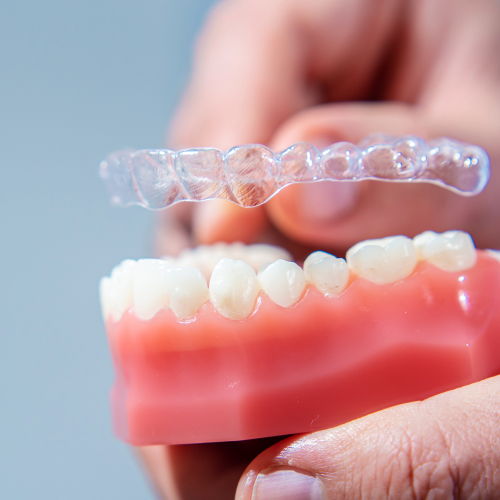
At Bellflower Dental Group, we’re trained to identify sleep apnea symptoms and help you find the right path forward. Depending on your situation, we may refer you for a sleep study or recommend oral appliance therapy, which is a simple, non-invasive solution that helps keep your airway open at night.
A custom oral appliance can make a huge difference in how you sleep and how you feel during the day. Unlike bulky CPAP machines, these appliances are small, quiet, and easy to travel with.
You Deserve to Wake Up Feeling Rested
You shouldn’t have to drag yourself through the day, rely on endless cups of coffee, or miss out on living fully because you’re constantly exhausted. If you’ve recognized yourself or a loved one in any part of this article, it’s time to take the next step.
Book your appointment with Bellflower Dental Group today, and let’s talk about how we can help you sleep better, breathe easier, and feel like yourself again.
Your best nights and brightest mornings, could be just around the corner.