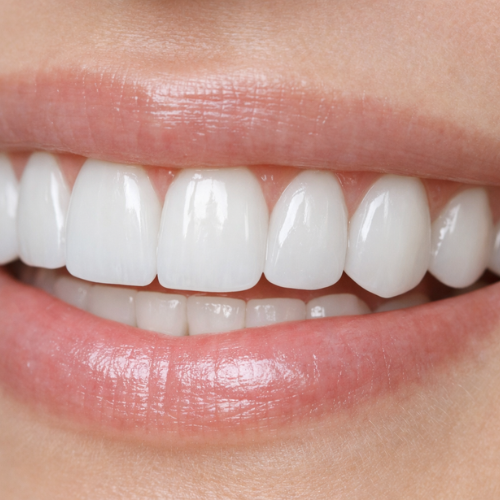
Do Veneers Stain? What Every Patient Should Know Before Getting One
Wondering if veneers stain over time? Bellflower Dental Group explains what causes discoloration and how to keep your smile bright. Call today.
Read More
Most people have dealt with bad breath at some point. Morning breath happens. Garlic breath happens. Coffee breath definitely happens.
But when the smell keeps coming back even after brushing, flossing, and mouthwash, it can start to feel frustrating and even embarrassing. You may find yourself covering your mouth when talking, avoiding close conversations, or constantly reaching for gum.
The good news is this: persistent bad breath, also called halitosis, is common and treatable. In many cases, the cause is something happening in the mouth that a dentist can identify and help fix.
At Bellflower Dental Group, we help patients get to the root of the problem, not just cover it up for a few hours.
Bad breath is usually caused by bacteria. When bacteria break down food particles, dead cells, and debris in your mouth, they release sulfur compounds. Those compounds create the odor many people describe as stale, sour, or unpleasant.
This is why products like mints and sprays only work temporarily. They may mask the smell, but they usually do not address the actual source of halitosis.
Some of the most common everyday contributors include:
If your bad breath keeps returning, it is often a sign that there is an ongoing issue that needs more than a quick rinse.
This is one of the most common questions patients ask, and it is a good one.
If you are brushing and flossing consistently and still dealing with bad breath, there may be something deeper going on than basic hygiene.
Your tongue can hold a surprising amount of bacteria, especially toward the back. Even if you brush your teeth well, a coated tongue can continue causing halitosis.
What helps:
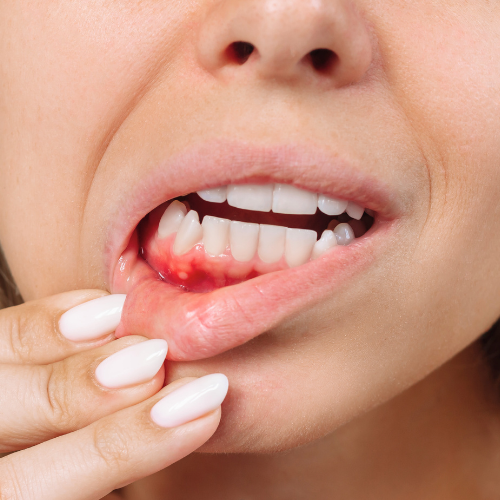
Persistent bad breath can be one of the earliest signs of gum disease. Bleeding gums, tenderness, or puffiness often show up too, but not always.
When bacteria collect below the gumline, brushing alone may not remove it.
Signs to watch for:
A cavity can trap food and bacteria in places your toothbrush cannot reach. The same can happen with an old filling or crown that is no longer sealing properly.
This creates the perfect environment for odor-causing bacteria.
Saliva is one of your mouth’s best natural defenses. It helps wash away debris and neutralize acids. If your mouth is dry, bacteria can build up faster and bad breath may get worse.
Dry mouth can be related to:
Sometimes the source is not your teeth at all. Tonsil stones and postnasal drip can both contribute to halitosis, even if your brushing routine is excellent.
That is why a dental exam matters. It helps narrow down whether the issue is dental, oral, or possibly related to another area.
The word “permanently” is tricky because the answer depends on the cause. Halitosis is usually not a one-time issue with a one-time fix. It is something that improves when the underlying cause is treated and your routine supports that treatment.
The best long-term results come from a combination of professional care and home care.
This is the most important step. You cannot permanently fix bad breath if you are guessing.
At your dental visit, we may check for:
If your mouth looks healthy and halitosis is still present, we may recommend following up with your primary care doctor or an ENT to rule out non-dental causes.
Depending on what we find, treatment may include:
Once the source is treated, many patients notice a major improvement in bad breath.
A strong routine helps prevent halitosis from returning.
Daily habits that make a real difference:
Gum, mints, and mouthwash can be helpful in the short term, but they should not be your main plan if you have persistent bad breath.
Some alcohol-based mouthwashes can even dry the mouth, which may make halitosis worse over time.
A better approach: use freshening products as a backup, not as the solution.
Most cases of bad breath start in the mouth, but not all of them do.
If you have ongoing halitosis that does not improve with good oral hygiene and dental treatment, it may be a sign of another issue. That does not always mean something serious, but it does mean it is worth checking.
Possible non-dental causes can include:
It is a good idea to seek evaluation if your halitosis is happening along with symptoms like:
A dental exam is often the best first step because many causes of bad breath can be identified quickly in the mouth. If needed, we can point you in the right direction for medical follow-up.
Let’s clear up a few common misconceptions about bad breath and halitosis.
Myth: If I brush more often, it will go away. Not always. If the problem is gum disease, decay, dry mouth, or an issue under the gums, brushing alone may not be enough.
Myth: Mouthwash fixes halitosis. It may freshen your breath temporarily, but it usually does not treat the root cause.
Myth: If I cannot smell it, it is not there. Many people become nose-blind to their own breath. Persistent bad breath can still be present even if you do not notice it.
Myth: Bad breath always means poor hygiene. Not true. Some people with excellent routines still struggle with halitosis because of dry mouth, sinus problems, or hidden dental issues.
If your bad breath lasts more than a couple of weeks, keeps coming back, or makes you feel self-conscious despite good brushing and flossing, it is worth getting checked.
A dental visit can help you:
You do not have to keep guessing or overloading on mints.
Persistent bad breath and halitosis are not just cosmetic concerns. They are often your mouth’s way of letting you know something needs attention. In many cases, the fix is straightforward once the cause is identified.
At Bellflower Dental Group, we can help you pinpoint what is causing your bad breath and create a treatment plan that actually works.
Schedule an appointment with Bellflower Dental Group today to get answers, treat the source, and feel confident about your breath again.
Fresh news from the dental world...





Mon - Fri 9AM - 6PM
Saturday 9AM - 3PM
Sunday Closed
Check out what our patients are saying in Bellflower, CA...


“Great customer service!”
Great customer service and attentive staff! My 3 year old enjoyed his visit! Yes, I said he enjoyed it! He had to have X-rays done, and I was so worried that he wasn't gonna be a happy camper but the X-ray tech, Dominique, is so good with kids! The X-rays were fast and painless! Overall a great experience!

“Surpasses my expectations!”
Amazing staff! My experience at Bellflower Dental Group was outstanding. I highly recommend this dental group. I come to them for my braces, their ortho is incredible, the highlight of this dental group. The staff is amazing, their employees are so kind and take the time to perfect your braces.

“I love this dental office!”
I have been coming here for years. It is a one-stop-shop! You can get your x-rays, cleaning, braces, labs, dentures, toothbrushes, and more all right here. The staff is great, and they try to work with you if you need a payment plan. Never had any issues with any of the work done here!
“Great customer service!”
Great customer service and attentive staff! My 3 year old enjoyed his visit! Yes, I said he enjoyed it! He had to have X-rays done, and I was so worried that he wasn't gonna be a happy camper but the X-ray tech, Dominique, is so good with kids! The X-rays were fast and painless! Overall a great experience!
“Surpasses my expectations!”
Amazing staff! My experience at Bellflower Dental Group was outstanding. I highly recommend this dental group. I come to them for my braces, their ortho is incredible, the highlight of this dental group. The staff is amazing, their employees are so kind and take the time to perfect your braces.
Check out our accreditations, sources, and relationships in the wide world of dentistry...


Check us out and follow our Bellflower, CA practice on social media...


