A root canal might not be anyone’s idea of fun, but if you’ve been told you need one, you’re probably wondering how much it’s going to set you back. And let’s be honest, dental expenses can feel like a mystery wrapped in white coats and dental chairs. The good news? It’s not as complicated as it seems.
Root canals are a lot more common than you think, and understanding what goes into the price can help you feel more in control of your care. Whether you’re just curious, preparing for treatment, or weighing your options, let’s talk honestly about what root canal pricing usually includes, and why it varies.
Why do root canals cost what they do?
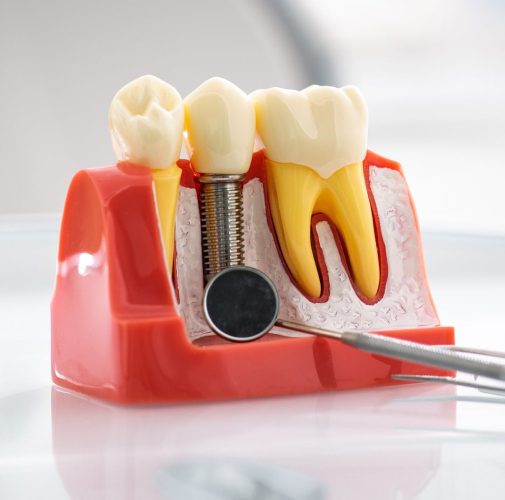
A root canal isn’t just a routine cleaning. It’s a treatment that requires specialized tools, expert skill, and time. Your dentist (or endodontist) is cleaning out infected tissue from inside your tooth, then sealing it to protect it from future problems. It’s intricate work, and it has to be done carefully.
There’s also the fact that this isn’t a one-size-fits-all procedure. For example, treating a front tooth is usually more straightforward than treating a molar, which has more canals and can be harder to access. The complexity directly impacts the cost. You’re not just paying for the time in the chair, but also for the training and precision required to save your tooth.
Then there’s the equipment. The files used to clean out your tooth’s root canals, the disinfecting solutions, the sealing materials, they’re not your average dental supplies. High-quality tools and technology ensure better outcomes, and while they come at a cost, they also increase your chances of keeping that tooth for life.
It’s also worth noting that root canals are often performed to avoid something far more serious. Skipping treatment could lead to a full extraction, bone loss, or even infections that spread beyond the mouth. In that sense, the cost of a root canal is also the price of avoiding much bigger (and more expensive) problems down the line.
What factors influence the cost of a root canal?
The cost of a root canal doesn’t come with a flat rate. Instead, it’s shaped by a few main factors:
1. Location of the tooth: Front teeth usually have one canal, while back teeth can have two, three, or even four. More canals mean more time and more expertise.
2. Who performs the procedure: General dentists can perform root canals, but complex cases are often referred to an endodontist, a specialist who charges more due to their advanced training and precision.
3. How bad the infection is: If the infection is deep or has spread to surrounding areas, the treatment becomes more involved. You might need extra appointments, additional X-rays, or more intensive cleaning, which adds to the cost.
4. Technology used: Some practices invest in advanced technology, such as digital imaging or 3D scanners, which can improve diagnosis and treatment accuracy. These tools help your dentist work more efficiently, but can add to the cost of care.
5. Geography: Dental costs vary widely depending on where you live. Urban clinics with higher overheads may charge more than a rural practice, even for the same procedure.
6. Insurance coverage: If you have dental insurance, your out-of-pocket cost will depend on how your plan is structured. Some plans cover root canals fully or partially, while others might have limits or require a co-pay.
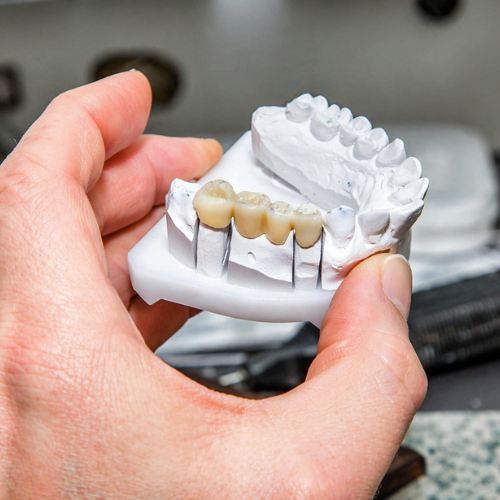
7. Whether you need a crown: Most root canals are followed by a crown to protect and strengthen the treated tooth. Crowns are billed separately and vary in price depending on the material and lab work required.
So when someone tells you the price of a root canal, it’s rarely a number pulled out of a hat. It reflects the complexity of your situation, the expertise involved, and the resources needed to get it done right.
What’s included in the cost of a root canal?
When you’re quoted a price for a root canal, it’s important to understand what that number actually covers. Let’s break it down.
1. Exam and diagnostics: Before the treatment even begins, you’ll typically need an exam and one or more X-rays to assess the extent of the infection and the shape of the tooth’s canals.
2. Local anesthesia: You’ll be numbed during the procedure, so this includes the cost of the anesthesia and the time it takes to administer it properly.
3. The procedure itself: This is the core of the treatment, cleaning, disinfecting, and sealing the inside of your tooth. Depending on the number of canals and complexity, this part alone can take one to two hours, sometimes more.
4. Temporary filling or seal: After cleaning, your tooth is sealed to prevent bacteria from re-entering before a permanent crown is placed.
5. Post-op care: Your dentist may include follow-up visits to monitor healing, especially if you’re having symptoms or if a crown is being placed later. In some cases, antibiotics or pain relievers are prescribed.
What’s usually not included in the initial quote? The final crown. Most root canals weaken the tooth structure, so a crown is often recommended afterward to keep the tooth strong. That part is billed separately, and while it’s an added cost, it’s an important investment in long-term protection.
Also, keep in mind that pricing may be split across several appointments. Some practices bundle everything into one total fee, while others itemize each stage. Make sure to ask for a breakdown so you know exactly what’s included and what’s not.
At Bellflower Dental Group, we believe in transparent care. We won’t just throw numbers at you or surprise you with hidden fees. If you’ve been told you need a root canal or think something’s wrong with a tooth, we’re happy to walk you through what your options are, what treatment might involve, and what kind of costs to expect.
A root canal is about saving your natural tooth and preventing further problems. It’s an investment in your health and comfort. And we’re here to make it as smooth, clear, and manageable as possible.
Don’t wait until the pain gets worse. Book your appointment with Bellflower Dental Group today, and let’s take care of that tooth the right way.