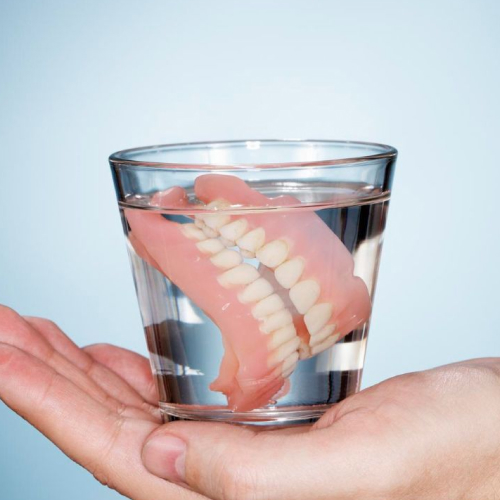
Why Dentures Shift When You Eat — And What You Can Actually Do About It
Tired of slipping dentures when you eat? Discover why your dentures shift and learn effective ways to restore your smile's stability. Contact us today!
Read More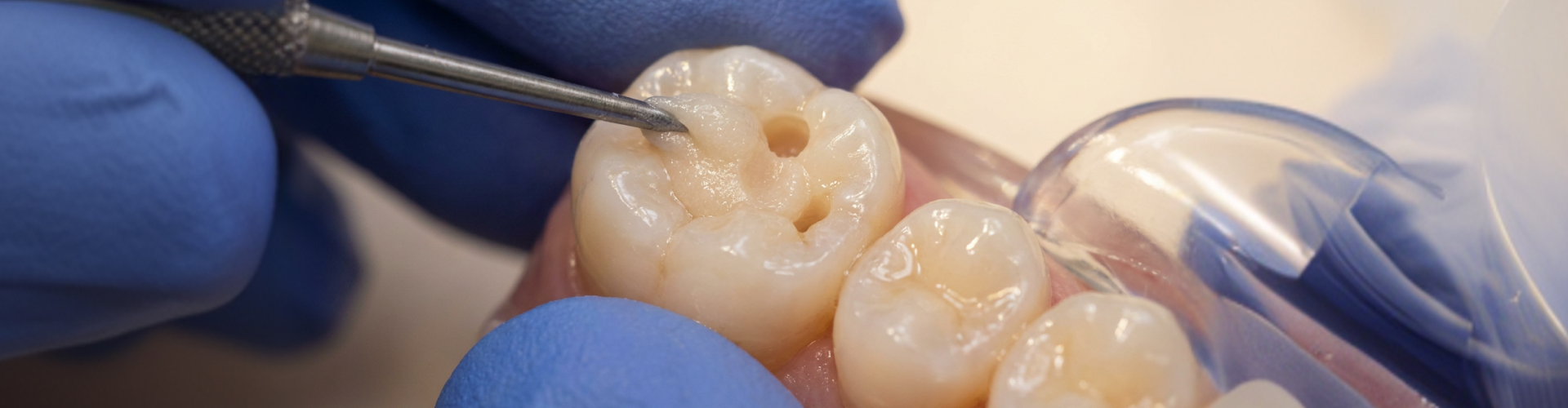
Whether you need anesthesia for a filling depends largely on how deep the decay has progressed — not just your pain tolerance. Most fillings use local anesthesia, but shallow cavities caught early may require little to none. Here's what to expect before, during, and after the procedure.
Most people assume the question "do I need anesthesia?" is really a question about how brave they are. It isn't. It's a question about biology — specifically, where the decay sits in your tooth. For Bellflower-area patients, understanding this biology helps set realistic expectations for the chair.
Enamel, the outer shell of your tooth, contains zero nerve endings. A drill working entirely within enamel produces vibration and noise, but no pain signal. This is why very early "incipient" cavities — ones caught before they breach the enamel layer — can sometimes be treated with minimal or no anesthetic at all.
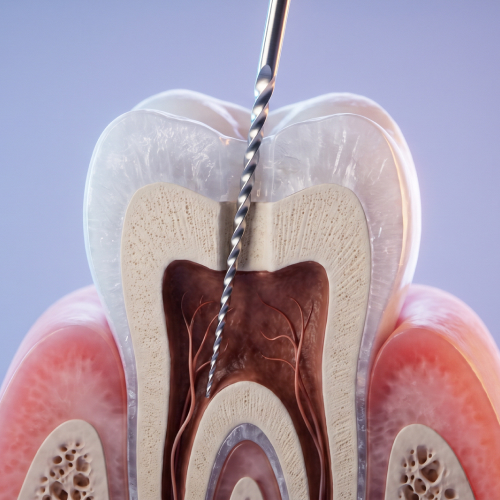
The calculus changes the moment decay crosses into dentin. Dentin sits directly beneath enamel and is packed with microscopic tubules that lead straight to the tooth's nerve. Once a drill reaches the dentin-enamel junction (DEJ), the sensation shifts from dull pressure to a sharp, electric jolt that most patients cannot tolerate without numbing. According to Healthline, deeper cavities are situated closer to nerve endings and have significantly more potential to cause pain during the procedure.
Think of it as a practical decision matrix:
The location also matters. Research from the NCBI confirms that lower-jaw (mandibular) teeth are harder to anesthetize than upper-jaw (maxillary) teeth, which is why your dentist may use a nerve block rather than a simple infiltration injection for bottom molars.
Catching decay early — at routine cleaning and exam appointments — is the single most reliable way to keep your options open.
Many patients who claim anesthesia "didn't work" are actually experiencing something different: vibration anxiety. High-speed dental drills conduct sensation through bone, creating a low-frequency throb that can feel alarming even when the nerve is fully numb.
Understanding what you're actually feeling can prevent unnecessary mid-procedure panic.
What numb feels like: A correctly anesthetized tooth will feel pressure — sometimes significant pressure — but not sharp or burning pain. You may notice the smell of tooth dust, the sound of the water spray, and a sense of the instrument moving. None of these mean the anesthesia has failed.
What a pain response feels like: A true pain signal is sharp, electric, and unmistakable. If you feel that, raise your hand immediately. Your dentist can add more anesthetic.
This distinction matters because the vibration of a drill activates sensory pathways that don't require a pain signal to feel intense. The sound is bone-conducted and amplified inside your skull. The water mist hits soft tissue that isn't numb. These sensations are real — they just aren't harmful or a sign that something is wrong.
WebMD notes that post-filling sensitivity is common and typically resolves on its own within a few weeks, which reinforces that some tooth sensation during and after a filling is a normal biological response, not a sign of a failed procedure.
If dental anxiety is significant, ask about nitrous oxide (laughing gas) or oral sedation before your appointment. These options are available at many general practices and work alongside local anesthetic.
The procedure follows a consistent sequence, and knowing it in advance reduces anxiety considerably.
Numbing: Your dentist applies a topical gel to the gum first, then administers a local anesthetic injection. Most anesthetics take effect within 10 minutes. Healthline explains that local anesthetics are available in multiple forms and typically last 30 to 60 minutes, sometimes longer with a vaspressor like epinephrine added.
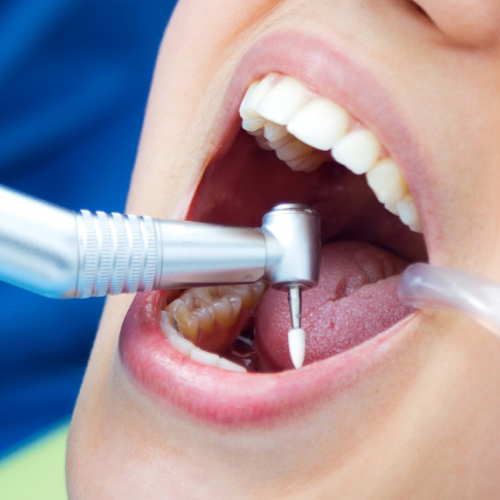
Decay removal: A drill, laser, or air abrasion instrument removes the decayed tissue. The choice depends on cavity size, location, and the dentist's equipment.
Cleaning and lining: The cavity is cleaned of bacteria and debris. If decay was close to the nerve, a protective liner may be placed first.
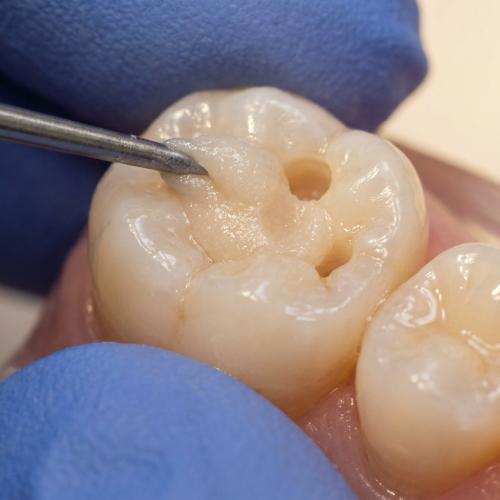
Filling placement: Cavity fillings using composite resin (tooth-colored) are placed in layers and hardened with a UV curing light. Amalgam (silver) is packed in and shaped. The NIDCR confirms that composite materials are increasingly preferred because many patients want a natural appearance.
Bite check and polish: Your dentist checks your bite and polishes the final surface.
Most simple fillings take under an hour. Multiple fillings or deeper cavities can take longer.
This is where most aftercare guides fall short. They tell you numbness lasts "1 to 3 hours" but don't explain what that means for your afternoon.
If your filling was on an upper tooth (infiltration anesthesia): Numbness is typically localized. Your speech will be normal or near-normal within 1 to 2 hours. You may notice your upper lip feels thick or your smile looks slightly uneven, but a conversation or phone call is manageable relatively quickly.
If your filling was on a lower back tooth (mandibular block): A nerve block numbs a wider region — half the lower jaw, part of the tongue, and the lower lip. Expect a "heavy tongue" sensation for 2 to 4 hours. Speaking clearly is harder, and you risk biting your cheek or tongue while eating. Avoid leading a meeting, giving a presentation, or eating a meal until sensation fully returns.
Healthline's guidance on eating after a filling recommends waiting until numbness subsides completely before chewing, regardless of filling type, to avoid accidentally biting soft tissue.
For composite fillings, you can chew on the filled side once numbness fades — the material hardens immediately under the curing light. For amalgam fillings, wait 24 hours before chewing on that side to allow the material to reach full strength.
Mild sensitivity to hot and cold is normal for several days to a few weeks. If sensitivity sharpens or persists beyond a month, contact your dentist — in some cases, decay that has progressed very close to the nerve may require an endodontic root canal to fully resolve the discomfort.
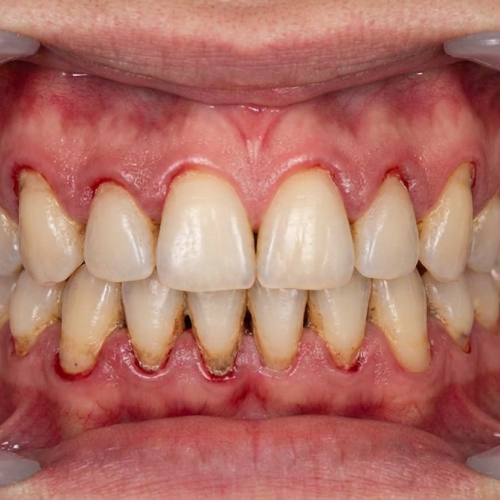
If you've been putting off a filling because you're worried about pain or needles, know this: modern anesthesia has made the procedure genuinely manageable for the vast majority of patients. The longer decay sits untreated, the deeper it goes — and the more anesthesia you'll need later. In severe cases, untreated decay can lead to gum disease and gingivitis or even the need for a tooth extraction.
Bellflower Dental Group serves patients throughout Bellflower and the surrounding Southeast Los Angeles area. Our team will walk you through your anesthesia options, explain what your cavity's depth means for your comfort, and make sure you leave with a clear aftercare plan. Call us to schedule your exam — catching it early is always the easier path.
Medical disclaimer: This article is for informational purposes only and does not constitute medical or dental advice. Always consult a licensed dental professional for diagnosis and treatment recommendations specific to your situation.
Fresh news from the dental world...



Mon - Fri 9AM - 6PM
Saturday 9AM - 3PM
Sunday Closed
Check out what our patients are saying in Bellflower, CA...


“Great customer service!”
Great customer service and attentive staff! My 3 year old enjoyed his visit! Yes, I said he enjoyed it! He had to have X-rays done, and I was so worried that he wasn't gonna be a happy camper but the X-ray tech, Dominique, is so good with kids! The X-rays were fast and painless! Overall a great experience!

“Surpasses my expectations!”
Amazing staff! My experience at Bellflower Dental Group was outstanding. I highly recommend this dental group. I come to them for my braces, their ortho is incredible, the highlight of this dental group. The staff is amazing, their employees are so kind and take the time to perfect your braces.

“I love this dental office!”
I have been coming here for years. It is a one-stop-shop! You can get your x-rays, cleaning, braces, labs, dentures, toothbrushes, and more all right here. The staff is great, and they try to work with you if you need a payment plan. Never had any issues with any of the work done here!
“Great customer service!”
Great customer service and attentive staff! My 3 year old enjoyed his visit! Yes, I said he enjoyed it! He had to have X-rays done, and I was so worried that he wasn't gonna be a happy camper but the X-ray tech, Dominique, is so good with kids! The X-rays were fast and painless! Overall a great experience!
“Surpasses my expectations!”
Amazing staff! My experience at Bellflower Dental Group was outstanding. I highly recommend this dental group. I come to them for my braces, their ortho is incredible, the highlight of this dental group. The staff is amazing, their employees are so kind and take the time to perfect your braces.
Check out our accreditations, sources, and relationships in the wide world of dentistry...


Check us out and follow our Bellflower, CA practice on social media...


