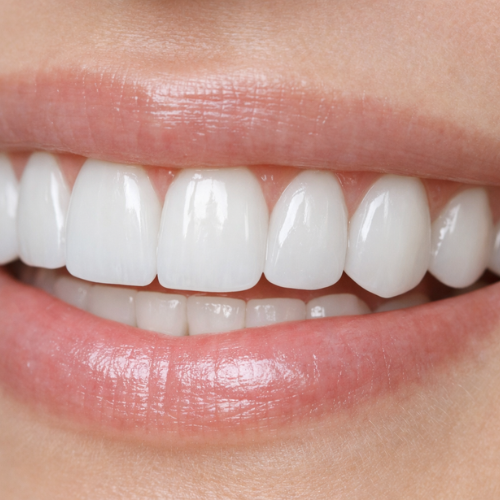
Veneers are a popular cosmetic solution for enhancing the appearance of teeth. But can they help straighten teeth? If you're considering veneers to achieve a straighter smile, it’s essential to understand how they work and what’s involved in the process.
Do You Need Straight Teeth for Veneers?
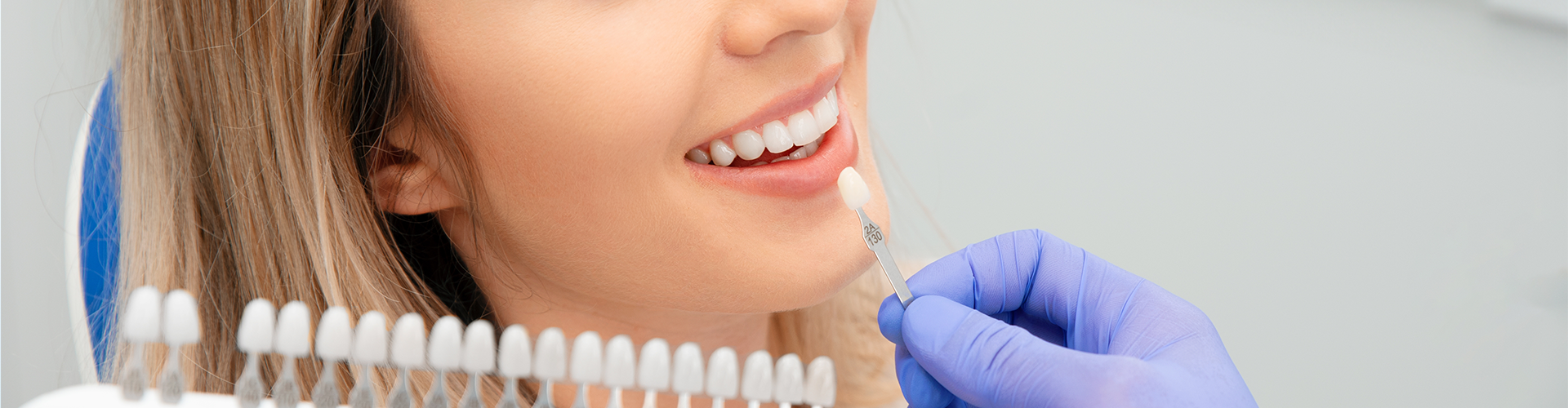
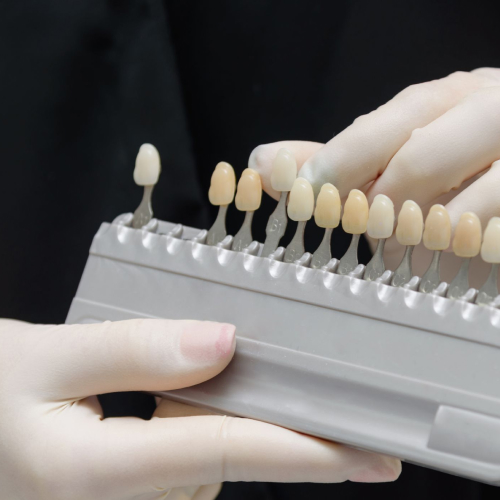
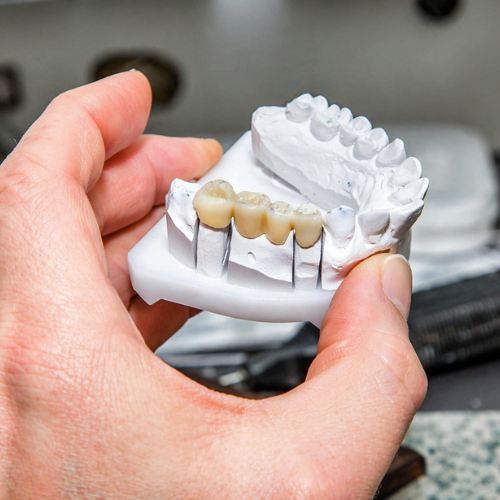
The short answer is no, you don’t need perfectly straight teeth to get veneers. In fact, veneers are an excellent option for patients with mild to moderate alignment issues who want a faster, cosmetic solution compared to braces or Invisalign. Veneers work by covering the front surface of your teeth with custom-made, thin shells, which are designed to create the appearance of straight, uniform teeth. This means that even if your natural teeth are slightly crooked or unevenly spaced, veneers can give you a smooth, aligned smile.
However, it's important to note that veneers do not address the underlying structural issues of your teeth. They are purely cosmetic, meaning they don’t move or reposition your teeth like orthodontics would. If you have significant orthodontic problems such as a severe overbite, crossbite, or crowded teeth, your dentist might recommend addressing these issues with braces or aligners first. This step can prevent potential complications like excessive wear on your veneers, gum problems, or difficulty chewing.
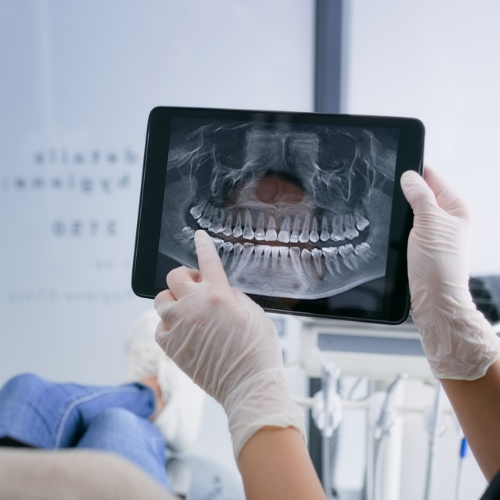
In some cases, if your teeth are too misaligned, placing veneers without correcting the alignment first can lead to uneven pressure on the veneers, potentially causing them to break or chip. That’s why it’s crucial to have a comprehensive dental evaluation before deciding whether veneers are right for you. Your dentist will assess the alignment of your teeth and recommend the most effective treatment plan, which may include orthodontics before veneers to ensure long-lasting results.
If your teeth have minor gaps, slight crowding, or are mildly crooked, veneers might be a great solution to give you the straight, beautiful smile you’re looking for—without the need for braces.
Do I Need Braces Before I Get Veneers?
Whether or not you need braces before veneers depends largely on the current alignment of your teeth. If your teeth are only slightly misaligned, veneers can effectively create the appearance of a straight, uniform smile. Veneers work by covering the front surface of your teeth, so even if they aren’t perfectly aligned, the cosmetic shells will give them the straightened look you desire.
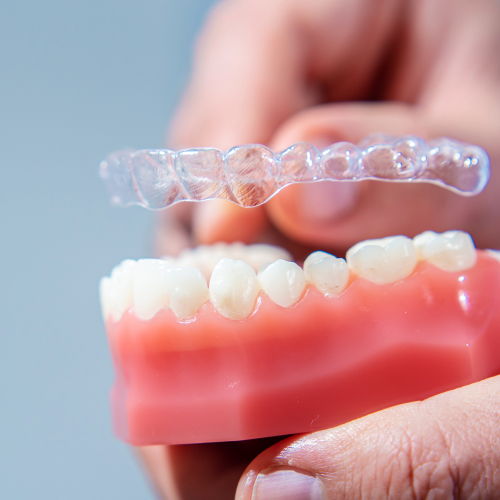
However, if you have more complex alignment issues, such as significant crowding, large gaps, or bite problems like overbites or underbites, your dentist may recommend addressing these issues with braces or Invisalign before moving forward with veneers. This is because veneers alone cannot fix structural problems with your teeth. While veneers can improve the look of your smile, they do not correct the position or function of your teeth, which could lead to long-term complications.
For example, severely misaligned teeth can cause tooth wear, gum recession, or even jaw pain over time. Placing veneers on teeth with these underlying problems might make your smile look better temporarily, but without addressing the root cause, you could experience issues like uneven veneer wear or even damage to the veneers themselves. By first correcting significant alignment problems with braces or aligners, you’ll be ensuring that your veneers not only look good but also function properly and last longer.
It’s important to consult your dentist to determine if straightening your teeth beforehand is necessary. During your consultation, your dentist will evaluate the alignment of your teeth and bite to develop a personalized treatment plan. In some cases, minimal correction with braces or clear aligners may be needed to ensure that your veneers fit properly and deliver the best possible results. For patients with only minor alignment issues, however, veneers may be the perfect solution—no braces required!
Can You Get Veneers Without Shaving Your Teeth?
A common concern for many patients is whether getting veneers means shaving down your teeth. Traditionally, veneers have required the removal of some enamel from the surface of your teeth. This process, known as "prepping," is done to create space for the veneers and ensure they fit naturally and comfortably on your teeth. Traditional veneers are typically made from porcelain, which is slightly thicker and requires a bit more space to ensure they look seamless once bonded to the tooth. While this enamel removal is usually minimal, it is permanent, meaning that once your teeth are prepped for veneers, you’ll always need some form of dental restoration on those teeth.
However, with the advancements in dental technology, there are now no-prep or minimal-prep veneers available, offering a less invasive option. These veneers are ultra-thin, often as thin as a contact lens, and can be applied with little to no enamel removal. This means that in many cases, your natural teeth can remain largely intact. No-prep veneers may be ideal for patients who have smaller teeth, slightly spaced teeth, or those who want to preserve their natural tooth structure as much as possible. Because they are thinner, no-prep veneers still provide a beautiful, natural appearance while eliminating the need for extensive tooth reshaping.
That said, not everyone is a candidate for no-prep veneers. Your dentist will need to assess your teeth to determine if they are the right choice for you. For example, if your teeth are very discolored, significantly misaligned, or have other cosmetic issues that require more coverage, traditional veneers might still be the better option. No-prep veneers also tend to be slightly less durable compared to traditional ones, so it’s important to weigh the benefits of each with your dentist.
In short, while minimal-prep veneers offer a more conservative approach, they’re not always suitable for everyone. A comprehensive consultation with your dentist will help determine whether no-prep veneers can provide the results you’re looking for, or if traditional veneers will be necessary to achieve your perfect smile.
Schedule Your Veneers Consultation Today
If you're considering veneers as a way to straighten your teeth or improve your smile, a personalized consultation is the first step. Our dental team will assess your needs and help you determine the best path to achieving the smile you've always wanted. Contact us today to schedule your appointment and take the first step toward a more confident you!