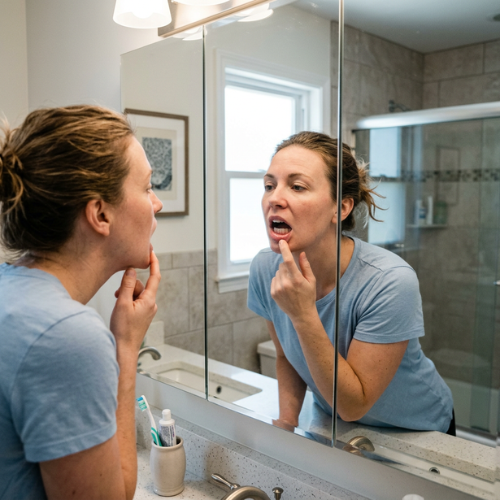
Do you ever wake up with a sore jaw or a headache? Or maybe you notice a clicking sound when you open and close your mouth? These could be signs of a temporomandibular joint disorder (TMJ), and you might be surprised to learn that your bite plays a significant role. At Bellflower Dental Group, we understand the intricate connection between your bite (also known as occlusion) and TMJ health. Let's dive into how these two are related and what you can do to find relief.
What is Occlusion and Why Does it Matter?
Occlusion refers to how your upper and lower teeth fit together when you bite down. Think of it like a puzzle – each tooth has a specific place and purpose. When the pieces fit together perfectly, the puzzle is complete and functions as it should. However, if some pieces are out of place, it affects the entire picture.
A healthy occlusion is crucial for several reasons:
- Evenly Distributes Force: When your teeth come together correctly, the force from chewing is distributed evenly across all your teeth. This prevents excessive wear and tear on specific teeth.
- Supports Jaw Joint: Proper occlusion ensures that your jaw joint (TMJ) functions smoothly and without strain.
- Promotes Facial Aesthetics: A well-aligned bite contributes to a balanced and harmonious facial appearance.
How Does a Misaligned Bite Contribute to TMJ Disorders?
When your bite is misaligned (also known as malocclusion), it throws off the delicate balance of your jaw joint and the surrounding muscles. Think of your jaw like a finely tuned machine. When all the parts are in alignment, it operates smoothly and efficiently. But when something is off – like a misaligned bite – it can cause a ripple effect of problems.
Imagine a door with a warped frame. You might be able to force it shut, but it will put stress on the hinges and the surrounding structure. Similarly, a misaligned bite forces your jaw to work in ways it wasn't designed to, leading to a cascade of issues.
Here's how a misaligned bite can contribute to TMJ disorders:
-
Muscle Strain and Fatigue: Your jaw muscles are responsible for opening, closing, and moving your jaw from side to side. When your bite is off, these muscles have to work harder to compensate for the misalignment. This can lead to muscle fatigue, soreness, and even spasms. You might notice pain when chewing, yawning, or even talking.
-
Joint Inflammation and Damage: The temporomandibular joint (TMJ) is a complex hinge joint that connects your jawbone to your skull. It's designed to handle the forces of chewing and speaking, but a misaligned bite can put excessive and uneven pressure on this joint. Over time, this can lead to inflammation, pain, and even damage to the joint's cartilage and surrounding tissues.
-
Disc Displacement: A small disc sits between the bones of your TMJ, acting as a shock absorber and allowing for smooth movement. When your bite is misaligned, the constant strain on the joint can cause this disc to slip out of place. This can lead to clicking, popping, or even locking of the jaw, making it difficult to open or close your mouth.
-
Changes in Jaw Alignment: In some cases, a misaligned bite can actually cause changes in the alignment of your jawbones. This can lead to facial asymmetry and further exacerbate TMJ problems.
-
Referred Pain: The pain from a misaligned bite and TMJ disorder isn't always limited to your jaw. The overworked muscles and inflamed joint can trigger referred pain, which is pain that's felt in another area of the body. This is why many people with TMJ disorders also experience headaches, earaches, neck pain, and even dizziness.
It's important to remember that everyone's bite is unique, and the severity of TMJ symptoms can vary greatly. If you're experiencing any discomfort or problems with your jaw, it's crucial to seek professional evaluation. At Bellflower Dental Group, we can help you determine if a misaligned bite is contributing to your TMJ issues and develop a personalized treatment plan to address your specific needs.
How is a Misaligned Bite Diagnosed?
Diagnosing a misaligned bite and its connection to TMJ disorders involves a comprehensive evaluation. At Bellflower Dental Group, we take a thorough approach that includes:
- Reviewing Your Medical and Dental History: We'll discuss your symptoms, any previous dental work, and any relevant medical conditions.
- Clinical Examination: We'll carefully examine your teeth, jaw, and facial muscles to assess your bite and identify any signs of TMJ dysfunction. This may include checking for:
- Overbite or Underbite: Where your upper and lower front teeth align.
- Crossbite: When some of your upper teeth fit inside your lower teeth.
- Open Bite: When your upper and lower front teeth don't touch when your back teeth are biting together.
- Crowding or Spacing: How your teeth are positioned in the dental arch.
- TMJ Sounds: Clicking, popping, or grating sounds when you open and close your mouth.
- Jaw Range of Motion: How wide you can open your mouth and if there is any deviation when you move your jaw.
- Muscle Tenderness: Pain or discomfort when certain jaw muscles are palpated.
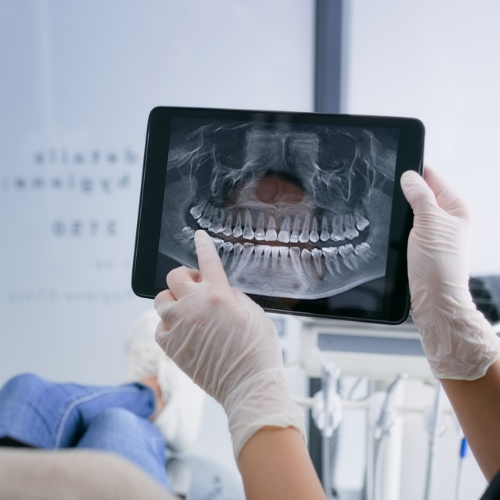
- Diagnostic Imaging: We may recommend X-rays (such as panoramic or cephalometric X-rays) or a 3D scan of your jaw to get a detailed view of your teeth, jaw joint, and surrounding bone structure. These images help us identify any underlying issues that may be contributing to your TMJ disorder.
- Evaluating for Signs of Wear: We'll look for signs of excessive wear on your teeth, such as chips, cracks, or flattened surfaces. This can indicate that your bite is not distributing forces properly.
What are the Treatment Options for TMJ Disorders Related to Occlusion?
The good news is that TMJ disorders related to occlusion are often treatable. The specific treatment plan will depend on the severity of your condition and the underlying cause of your misaligned bite. At Bellflower Dental Group, we offer a range of personalized treatment options, including:
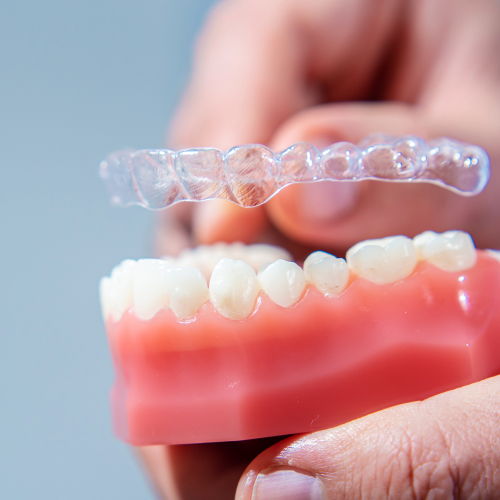
- Orthodontics: Braces or clear aligners can correct misaligned teeth and improve your bite. This can help alleviate pressure on the TMJ and reduce muscle strain.
- Occlusal Adjustment (Equilibration): This involves minor adjustments to the shape or position of your teeth to create a more balanced bite. This can be done by reshaping certain teeth or adding dental restorations.
- Oral Splint Therapy: A custom-made oral splint (also known as a night guard) can help reposition your jaw, reduce muscle activity, and protect your teeth from grinding.
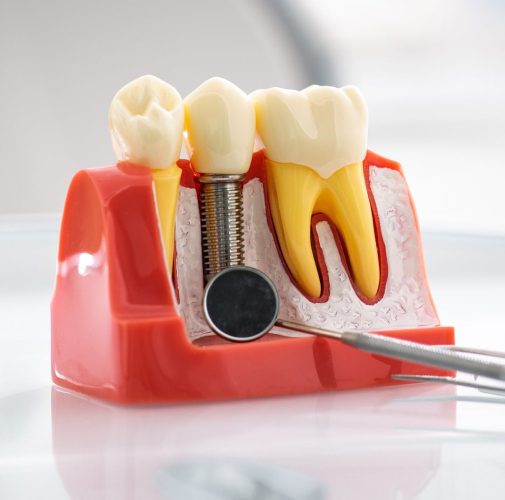
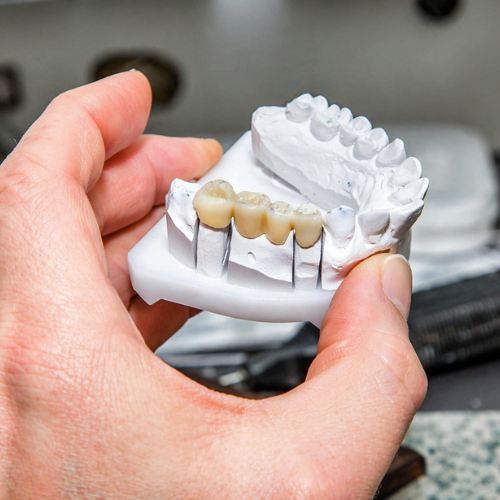
- Restorative Dentistry: If you have damaged or missing teeth, restorative treatments such as crowns, bridges, or implants can help restore proper bite function.
- Lifestyle Modifications: We may recommend lifestyle changes such as stress management techniques, jaw exercises, and avoiding hard or chewy foods to help manage your TMJ symptoms.
Don't Forget Your Regular Checkups!
Even if you're not experiencing any TMJ symptoms, regular dental checkups and cleanings are essential for maintaining a healthy bite and preventing future problems. During your checkup, we'll examine your teeth, gums, and jaw joint to identify any potential issues early on.
If you're experiencing jaw pain, headaches, or any other symptoms that may be related to TMJ, don't hesitate to schedule an appointment with Bellflower Dental Group. We're dedicated to providing comprehensive and compassionate care to help you achieve a healthy, comfortable smile.
Call us today to schedule your consultation!