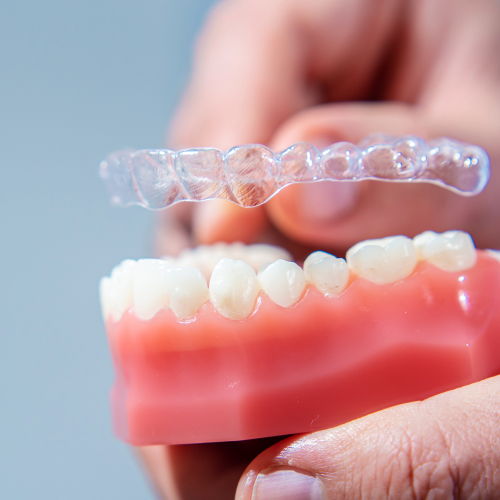
Why Your Invisalign Trays Aren't Fitting Right — and What to Do About It
Struggling with Invisalign gaps or tracking issues in Bellflower? Learn what's normal, what's not, and when refinements may help. Call us today.
Read More
Your gums might not get the same attention as your teeth—but trust us, they should. Periodontal disease (aka gum disease) has a way of creeping in quietly, and before you know it, your once-healthy mouth is facing receding gums, bone loss, and even loose teeth.
Sound intense? It can be. But here’s the good news: if you catch it early, you’ve got options. And even in more advanced stages, it’s not a lost cause. You just need to know what to look for, when to act, and how to stay on top of your oral health moving forward.
Let’s break it all down.
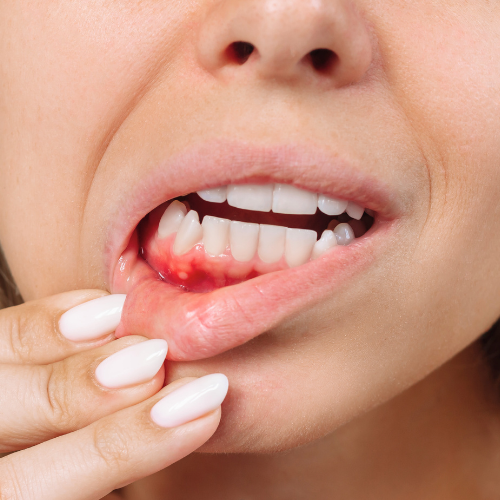
If we had to name one red flag that screams “check your gums,” it’s bleeding. Not the once-in-a-blue-moon kind after you jab your gums with floss. We’re talking about consistent, unexplained bleeding—especially during regular brushing or gentle flossing. If your toothbrush looks like it picked a fight with your gums every morning, that’s a problem.
Bleeding is your body’s way of telling you that inflammation is already underway. Healthy gums don’t bleed. So when they do, even slightly, it's not something to shrug off.
But that’s just the beginning.
Periodontal disease tends to sneak up gradually. At first, the symptoms might seem harmless—or easy to explain away. Maybe you blame bad breath on your coffee habit or puffy gums on stress. But gum disease has a signature set of warning signs, and the sooner you recognize them, the better.
Here are a few other signs that may point to periodontal disease:
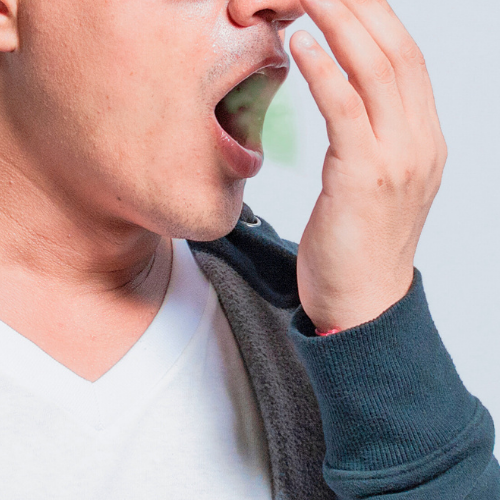
Persistent bad breath (and we mean persistent)
If mints and mouthwash aren’t cutting it anymore, bacteria buildup beneath the gums might be the culprit. That smell isn’t just from food—it’s from infection.
Gums that look puffy, red, or swollen
Healthy gums are firm and pink. If yours look like they’re swollen, shiny, or angry, something deeper might be going on.
Receding gums, where your teeth look longer than they used to
You’re not imagining it—your gums might actually be pulling away from your teeth. This exposes the sensitive roots and can lead to tooth sensitivity and decay.
Loose or shifting teeth
Adult teeth aren’t supposed to move. If your bite feels different or a tooth starts to wiggle, that’s a serious red flag. It means the bone and ligaments supporting your teeth may be under attack.
Pain while chewing
Eating shouldn’t hurt. Discomfort, especially in one area, could mean the tissue or bone is already damaged.
Pus between your teeth and gums
We know it’s not pretty. However, pus is a sign of infection, and in gum disease, it can leak from the pockets forming between the gums and teeth.
What makes periodontal disease so tricky is that it doesn’t always hurt—at least not at first. That’s why the early stage, called gingivitis, often flies under the radar. Your gums might bleed, swell, or change color, but without pain, it’s easy to delay a dental visit.
But when gingivitis goes untreated, it can quickly evolve into periodontitis—the more serious, chronic stage. That’s when the bacteria start damaging the ligaments and bone that hold your teeth in place. Think of it like a house losing its foundation: sooner or later, things start to fall apart.
The bottom line? Bleeding gums aren’t “normal.” They’re your mouth waving a white flag. And listening to that signal early could save you a whole lot of discomfort—and even your teeth—in the long run.
The short answer: Yes—but timing is everything.
If you catch it early, we can usually treat it with a thorough professional cleaning, some at-home care tweaks, and a little consistency on your end. The goal is to stop the infection, reduce inflammation, and get your gums back to a healthy place.
If the disease has progressed into moderate or severe periodontitis, treatment becomes more involved. This might include:
Scaling and root planing: A deep-cleaning procedure that removes plaque and tartar from below the gumline
Antibiotics: Sometimes prescribed to help control infection
Gum surgery: In advanced cases, we may need to surgically access deeper areas for cleaning or even rebuild lost bone or tissue
Here’s the key: you can manage periodontal disease, even in the later stages. But, like any chronic condition, it requires commitment—from both you and your dental team.
The earlier we intervene, the less damage you’ll face and the less invasive the treatment.
If you’ve been told you have gum disease—or you suspect you’re on the edge—it’s time to upgrade your toothpaste game. While toothpaste alone won’t cure periodontal disease, it can help support healthier gums between visits.
Look for toothpastes with:
Stannous fluoride: Helps reduce plaque and gingivitis while strengthening enamel
Triclosan: (Though being phased out in many places) used in some toothpastes for its antibacterial effects
Essential oils: Natural ingredients like eucalyptol or menthol can support gum health
Antibacterial properties: Some therapeutic toothpastes help reduce bacteria that fuel gum disease
A few brands we often recommend include:
Parodontax
Crest Gum Detoxify
Colgate PerioGard (prescription-strength for more advanced cases)
But a word of advice: don’t just rely on toothpaste. It’s only part of the picture. Brushing technique, flossing, rinsing, and regular checkups all matter.
Here’s the uncomfortable truth: untreated periodontal disease doesn’t just stay in your mouth.
Research has linked it to:
Heart disease
Diabetes complications
Respiratory issues
Pregnancy problems, like low birth weight or premature delivery
Your mouth isn’t separate from the rest of your body. When inflammation festers in your gums, it can affect your overall health in ways we’re still learning about.
And then there’s the financial cost. Delaying treatment now could mean paying more down the road—for surgery, tooth replacement, or even hospital care in extreme cases.
Want to avoid periodontal disease altogether? It’s possible.
Start with the basics:
Brush twice a day (and yes, technique matters)
Floss daily (no shortcuts here)
Use an antibacterial mouth rinse
Quit smoking—seriously, it’s one of the biggest risk factors
See your dentist regularly (we recommend every 6 months, minimum)
At Bellflower Dental Group, we also offer customized cleanings and periodontal maintenance programs for patients at higher risk. We don’t just clean—we assess, guide, and support you along the way.
Maybe your gums bleed sometimes. Maybe your breath hasn’t felt fresh in a while. Maybe you just haven’t been to the dentist in… a while.
Whatever the reason, consider this your sign to take action.
Periodontal disease is treatable. But the earlier we catch it, the easier it is to fix.
At Bellflower Dental Group, we take your oral health seriously—but we also make it feel comfortable and doable. Whether you’re dealing with early signs or more advanced concerns, we’re here to help without judgment.
Call us or book your appointment online now to get started on a healthier smile—and healthier gums.
Fresh news from the dental world...





Mon - Fri 9AM - 6PM
Saturday 9AM - 3PM
Sunday Closed
Check out what our patients are saying in Bellflower, CA...


“Great customer service!”
Great customer service and attentive staff! My 3 year old enjoyed his visit! Yes, I said he enjoyed it! He had to have X-rays done, and I was so worried that he wasn't gonna be a happy camper but the X-ray tech, Dominique, is so good with kids! The X-rays were fast and painless! Overall a great experience!

“Surpasses my expectations!”
Amazing staff! My experience at Bellflower Dental Group was outstanding. I highly recommend this dental group. I come to them for my braces, their ortho is incredible, the highlight of this dental group. The staff is amazing, their employees are so kind and take the time to perfect your braces.

“I love this dental office!”
I have been coming here for years. It is a one-stop-shop! You can get your x-rays, cleaning, braces, labs, dentures, toothbrushes, and more all right here. The staff is great, and they try to work with you if you need a payment plan. Never had any issues with any of the work done here!
“Great customer service!”
Great customer service and attentive staff! My 3 year old enjoyed his visit! Yes, I said he enjoyed it! He had to have X-rays done, and I was so worried that he wasn't gonna be a happy camper but the X-ray tech, Dominique, is so good with kids! The X-rays were fast and painless! Overall a great experience!
“Surpasses my expectations!”
Amazing staff! My experience at Bellflower Dental Group was outstanding. I highly recommend this dental group. I come to them for my braces, their ortho is incredible, the highlight of this dental group. The staff is amazing, their employees are so kind and take the time to perfect your braces.
Check out our accreditations, sources, and relationships in the wide world of dentistry...


Check us out and follow our Bellflower, CA practice on social media...


