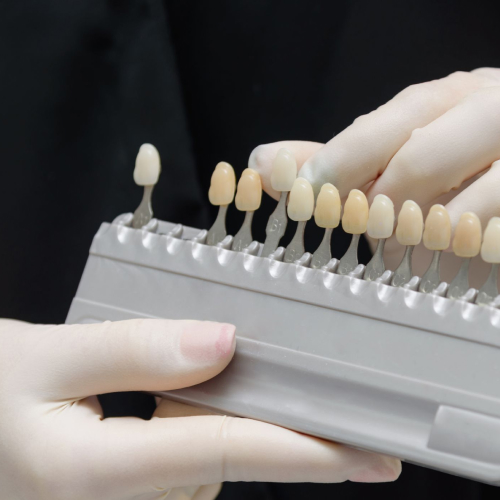
Dental Bonding vs. Veneers vs. Lumineers: What I Actually Recommend
Which is better, bonding or veneers? Compare porcelain veneers to no-prep Lumineers to find your best smile. Book your Bellflower Dental Group consult today!
Read More
When it comes to dental health, preserving your natural teeth is always the best option. Root canal treatment is one of the most effective ways to save a tooth that’s been damaged or infected. But how do you know if your tooth can be saved, and when is it time to see a specialist like an endodontist? Let’s explore the essential steps to saving a tooth and the role of root canal therapy.
If your tooth has been knocked out, time is of the essence. The first step is to find the tooth and handle it carefully, avoiding touching the root. If possible, try to reinsert the tooth into the socket without forcing it. If that’s not feasible, place the tooth in a glass of milk or a saline solution to keep it moist. Getting to a dentist within 30 minutes significantly increases the chances of saving the tooth. Emergency dental care is critical here, as quick action can often mean the difference between saving or losing the tooth.
Unfortunately, not all teeth can be saved, even with the best efforts. Several factors can contribute to a tooth being beyond repair, making extraction the only viable option.
One of the most common reasons is severe decay. When a cavity penetrates deep into the tooth and reaches the pulp, the soft tissue inside the tooth, it can cause an infection that spreads to the surrounding bone and tissue. If this infection is not caught early, it can lead to the complete deterioration of the tooth structure. In some cases, even a root canal might not be enough to salvage the tooth, and extraction becomes necessary to prevent the infection from spreading further.
Extensive damage from trauma, such as a fracture that extends below the gum line, can also make a tooth unsalvageable. When a tooth is broken in such a way that the fracture affects the root, it may be impossible to restore the tooth to its full function and appearance. In these cases, the stability of the tooth is compromised, and preserving it might only lead to more pain and complications down the road.
Another significant factor is advanced periodontal disease. This condition affects the gums and the bone supporting the teeth. When gum disease progresses to an advanced stage, it can cause the gums to recede and the bone to deteriorate, leading to loose teeth. If the bone loss is too severe, the tooth may no longer have adequate support, making extraction the only option to prevent further oral health issues.
Additionally, certain systemic health conditions can affect your ability to save a tooth. For instance, if you have uncontrolled diabetes or a weakened immune system, your body's ability to heal and fight infection might be compromised, reducing the likelihood of successful treatment. In such scenarios, preserving a severely damaged or infected tooth may pose a greater risk to your overall health.
It’s essential to recognize the signs that indicate a tooth cannot be saved. Symptoms like extreme pain, persistent abscesses, severe swelling, or a lack of viable tooth structure should not be ignored. When you experience these symptoms, it’s crucial to consult with your dentist promptly. They can assess the situation and discuss your options, including the possibility of extraction.
While losing a tooth can be disheartening, it’s important to remember that there are effective solutions available. Planning for alternatives such as dental implants, bridges, or dentures can help restore your smile and maintain your oral health. Your dentist will work with you to determine the best course of action, ensuring that your overall dental health is preserved, even if a tooth cannot be saved.
While general dentists are fully capable of performing root canals, there are situations where seeing an endodontist can make a significant difference in the outcome of your treatment. Endodontists are dental specialists with advanced training focused specifically on diagnosing and treating issues related to the dental pulp and the tissues surrounding the roots of a tooth. This expertise is particularly valuable in more complex or challenging cases.
One of the primary reasons to consider an endodontist is if your tooth has complex anatomy. Some teeth have unusual or intricate root structures, such as extra canals, curves, or very narrow canals that are difficult to navigate. These complexities can make standard root canal procedures more challenging. Endodontists have extensive experience in handling such cases and are equipped with specialized tools and techniques to address these challenges effectively. Their training allows them to thoroughly clean and seal even the most complicated root canal systems, reducing the risk of future complications.
If you've had a previous root canal treatment that didn’t fully resolve the problem, or if the tooth has become re-infected, an endodontist is often the best choice for retreatment. Recurrent infections or unresolved pain after a root canal can be due to a variety of factors, including missed canals, inadequate cleaning, or reinfection from a leaky restoration. Endodontists are skilled in performing retreatments, where they carefully remove old filling material, thoroughly clean the canals, and address any underlying issues that might have caused the initial treatment to fail. Their expertise can be crucial in saving a tooth that might otherwise be lost.
Another scenario where an endodontist’s expertise is invaluable is when dealing with traumatic dental injuries. Teeth that have been cracked, chipped, or displaced due to trauma often require specialized care. Endodontists are trained to handle these injuries and can perform procedures like root canal therapy or even surgical interventions, such as apicoectomy (removal of the tip of the root), to save the tooth. Their familiarity with these cases means they can often provide more precise and effective treatment than a general dentist.
Endodontists also use advanced technology that may not be available in a general dental office. For example, they often utilize 3D imaging, such as cone beam computed tomography (CBCT), which provides a detailed view of the tooth's internal structure and surrounding bone. This imaging allows for more accurate diagnosis and treatment planning, especially in complex cases. Additionally, endodontists use operating microscopes to enhance visibility inside the tooth, ensuring that all canals are located and thoroughly treated.
Patients who experience significant anxiety or fear about dental procedures might also benefit from seeing an endodontist. Their focused practice means they have a deep understanding of the procedures and can offer sedation options or other calming techniques to help manage anxiety. This can make the treatment experience more comfortable and less stressful for patients who might otherwise avoid necessary care.
If you're dealing with tooth pain or have been advised that you may need a root canal, don’t delay. The sooner you seek professional care, the better your chances of saving your tooth. At Bellflower Dental Group, our experienced team is here to provide the specialized treatment you need to preserve your smile. Contact us today to schedule your appointment and take the first step toward restoring your dental health.
Fresh news from the dental world...








Mon - Fri 9AM - 6PM
Saturday 9AM - 3PM
Sunday Closed
Check out what our patients are saying in Bellflower, CA...


“Great customer service!”
Great customer service and attentive staff! My 3 year old enjoyed his visit! Yes, I said he enjoyed it! He had to have X-rays done, and I was so worried that he wasn't gonna be a happy camper but the X-ray tech, Dominique, is so good with kids! The X-rays were fast and painless! Overall a great experience!

“Surpasses my expectations!”
Amazing staff! My experience at Bellflower Dental Group was outstanding. I highly recommend this dental group. I come to them for my braces, their ortho is incredible, the highlight of this dental group. The staff is amazing, their employees are so kind and take the time to perfect your braces.

“I love this dental office!”
I have been coming here for years. It is a one-stop-shop! You can get your x-rays, cleaning, braces, labs, dentures, toothbrushes, and more all right here. The staff is great, and they try to work with you if you need a payment plan. Never had any issues with any of the work done here!
“Great customer service!”
Great customer service and attentive staff! My 3 year old enjoyed his visit! Yes, I said he enjoyed it! He had to have X-rays done, and I was so worried that he wasn't gonna be a happy camper but the X-ray tech, Dominique, is so good with kids! The X-rays were fast and painless! Overall a great experience!
“Surpasses my expectations!”
Amazing staff! My experience at Bellflower Dental Group was outstanding. I highly recommend this dental group. I come to them for my braces, their ortho is incredible, the highlight of this dental group. The staff is amazing, their employees are so kind and take the time to perfect your braces.
Check out our accreditations, sources, and relationships in the wide world of dentistry...


Check us out and follow our Bellflower, CA practice on social media...


