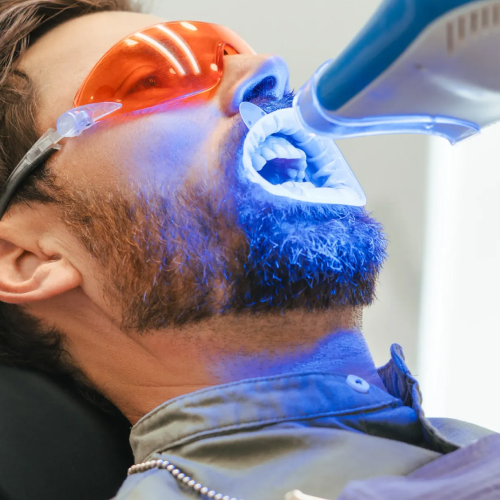
How Long Does Professional Teeth Whitening Actually Take to Work?
Bellflower patients: how long professional teeth whitening actually takes to work, why results vary by patient, and when you'll see shade changes. Book today.
Read More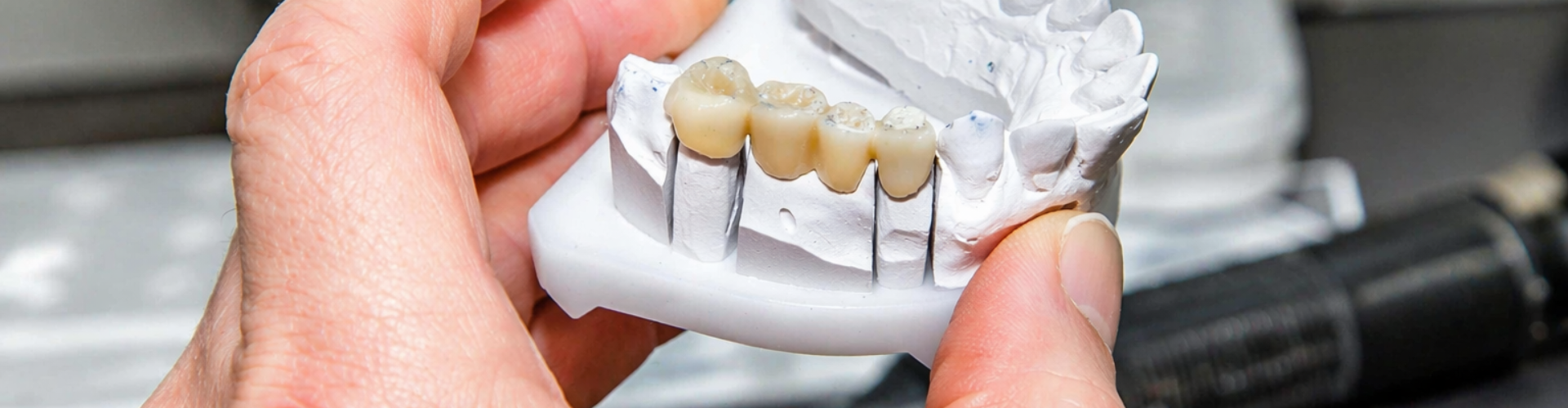
Losing a tooth is not always as dramatic as people imagine. Sometimes it happens after an accident or an extraction. Other times, it is the result of decay, infection, or a tooth that simply could not be saved. Once the tooth is gone, many people think, “It is only one tooth. I can live with that.”
And for a little while, maybe you can.
But even one missing tooth can start to affect more than you expect. You may notice food getting stuck in the space. Chewing on one side may start to feel awkward. Your bite can feel slightly off. In some cases, the gap becomes the first thing you see when you smile, and that alone can make people feel less like themselves.
That is where a dental bridge can make a real difference.
At Bellflower Dental Group, we often talk with patients who want a replacement option that feels secure, looks natural, and helps them get back to eating and smiling comfortably. For many of them, a dental bridge is a reliable solution that restores both appearance and function without leaving the space untreated.
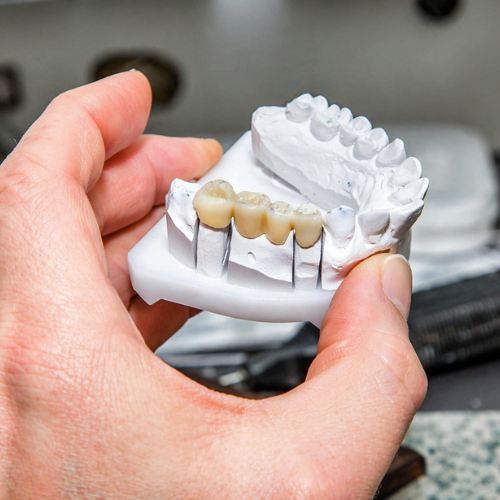
A dental bridge is exactly what it sounds like. It “bridges” the gap left behind by a missing tooth. The replacement tooth, called a pontic, sits in the open space, while the teeth on either side help support it. In a traditional bridge, those neighboring teeth are typically covered with crowns to hold the bridge in place.
The goal is not just to fill the gap so it looks better. A bridge also helps restore the way your mouth works.
When a tooth is missing, the surrounding teeth can begin to shift over time. Your bite may change. Chewing may become less balanced. A bridge helps maintain the spacing in your mouth while also giving you a fixed tooth replacement that stays in place.
Here is what a dental bridge helps restore:
One reason patients like bridges is that they are fixed in the mouth. Unlike a removable appliance, a bridge does not come out at night or need to be taken out for cleaning. It is designed to feel like part of your smile.
That said, the process matters. A bridge should never be treated like a one-size-fits-all fix. The shape of your bite, the health of the nearby teeth, and the condition of your gums all play a role in whether a bridge is the right choice and how well it will perform over time.
For many patients, yes. A dental bridge can be a very good option for replacing one missing tooth, especially when the teeth next to the gap are strong enough to support it or already need crowns themselves.
What makes bridges appealing is that they are a well-established treatment. They can look very natural, they do not require removal, and they often restore everyday comfort more quickly than people expect.
A bridge may be a good fit if:
Still, it is important to be honest here. A bridge is not automatically the best choice for every patient.
Some people may also be candidates for a dental implant. Others may need a different kind of restoration depending on their oral health, bone support, gum condition, and budget. The best option depends on the full picture, not just the fact that a tooth is missing.
That is why an exam matters so much. Two people can both be missing one tooth and need completely different solutions.
In some cases, a bridge makes excellent sense because it restores the area efficiently and beautifully. In other cases, your dentist may recommend another option that protects your long-term oral health more effectively. Good treatment planning is about choosing what fits your mouth, not forcing your mouth to fit the treatment.
A dental bridge can last many years. In many cases, bridges last around 5 to 15 years or longer, depending on how well they are cared for and the condition of the supporting teeth and gums.
The bridge itself is durable, but its lifespan depends on more than just the material it is made from. A bridge relies on the health of the surrounding structures. If the supporting teeth develop decay, if gum disease becomes a problem, or if there is too much bite pressure, the bridge may not last as long as hoped.
A few of the biggest factors that affect longevity include:
Daily oral hygiene: Bridges need careful cleaning, especially around the gumline and underneath the replacement tooth. Plaque buildup around the supporting teeth can shorten the life of the restoration.
The health of the supporting teeth: A bridge is only as strong as what supports it. If the teeth holding it in place weaken over time, the bridge can become compromised.
Bite habits: Clenching, grinding, or chewing on hard objects like ice can place extra strain on a bridge.
Regular dental visits: Routine checkups help catch small issues early, before they turn into larger problems.
A bridge is not something you place and forget about. It needs maintenance, just like your natural teeth do. The good news is that with the right care, many patients enjoy their bridge for years while speaking, eating, and smiling with much more confidence.
There is also the emotional side of this that people do not always talk about enough.
Even when the missing tooth is not front and center, it can change the way you feel. Some people start smiling more carefully. Some avoid certain foods. Some keep telling themselves it is not a big deal, while quietly adjusting around it every day.
Replacing that tooth is not only about dentistry. It is also about feeling normal again.
A well-made bridge can help restore that sense of ease. You are not constantly aware of the gap. You are not thinking about how to chew around it. You are not second-guessing your smile in photos or during conversations. That kind of relief matters.
Many patients wait longer than they planned to replace a missing tooth. Life gets busy. If the area does not hurt, it can be easy to put off.
But leaving the space open for too long can create problems. Nearby teeth may begin to drift. Opposing teeth may move out of position. Your bite can change gradually, which may make future treatment more complicated.
That does not mean every missing tooth becomes an emergency overnight. It does mean it is wise to have the space evaluated sooner rather than later.
Even if you are still deciding between options, having a conversation with your dentist gives you a clearer idea of what is happening now and what may happen if the tooth is not replaced.
Replacing one missing tooth may sound like a small thing, but it can have a big impact on how your mouth functions and how you feel day to day. A dental bridge offers a dependable way to restore that missing space, protect your bite, and bring back a more complete smile.
For the right patient, it can be a practical and natural-looking solution that helps life feel a whole lot easier again.
If you are missing a tooth and wondering whether a bridge is the right next step, schedule an appointment with Bellflower Dental Group. We can evaluate your smile, talk through your options, and help you choose a treatment that feels right for your needs.
Fresh news from the dental world...



Mon - Fri 9AM - 6PM
Saturday 9AM - 3PM
Sunday Closed
Check out what our patients are saying in Bellflower, CA...


“Great customer service!”
Great customer service and attentive staff! My 3 year old enjoyed his visit! Yes, I said he enjoyed it! He had to have X-rays done, and I was so worried that he wasn't gonna be a happy camper but the X-ray tech, Dominique, is so good with kids! The X-rays were fast and painless! Overall a great experience!

“Surpasses my expectations!”
Amazing staff! My experience at Bellflower Dental Group was outstanding. I highly recommend this dental group. I come to them for my braces, their ortho is incredible, the highlight of this dental group. The staff is amazing, their employees are so kind and take the time to perfect your braces.

“I love this dental office!”
I have been coming here for years. It is a one-stop-shop! You can get your x-rays, cleaning, braces, labs, dentures, toothbrushes, and more all right here. The staff is great, and they try to work with you if you need a payment plan. Never had any issues with any of the work done here!
“Great customer service!”
Great customer service and attentive staff! My 3 year old enjoyed his visit! Yes, I said he enjoyed it! He had to have X-rays done, and I was so worried that he wasn't gonna be a happy camper but the X-ray tech, Dominique, is so good with kids! The X-rays were fast and painless! Overall a great experience!
“Surpasses my expectations!”
Amazing staff! My experience at Bellflower Dental Group was outstanding. I highly recommend this dental group. I come to them for my braces, their ortho is incredible, the highlight of this dental group. The staff is amazing, their employees are so kind and take the time to perfect your braces.
Check out our accreditations, sources, and relationships in the wide world of dentistry...


Check us out and follow our Bellflower, CA practice on social media...


