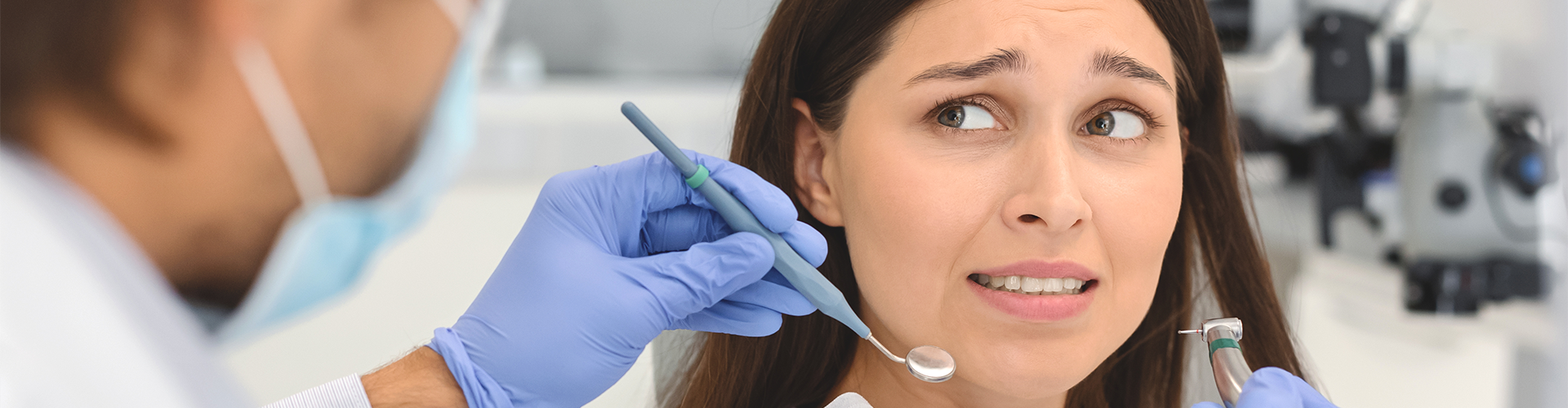
Dental phobia is a common yet often overwhelming issue that prevents many from seeking essential dental care. If the thought of visiting the dentist fills you with dread, you're not alone. Fortunately, modern dentistry offers several solutions to help you manage anxiety and make your dental experience more comfortable.
Can a Dentist Give You Something for Anxiety?
Absolutely, dentists are well-equipped to help manage dental anxiety through various medications and techniques designed to make your visit as comfortable and stress-free as possible. Dental anxiety is a common issue that affects many people, often leading them to delay or avoid necessary dental care. To combat this, dentists offer several solutions tailored to different levels of anxiety, ensuring that every patient can receive the care they need without unnecessary fear or discomfort.
Types of Medications for Dental Anxiety
-
Oral Sedatives:
One of the most common approaches to managing dental anxiety is the use of oral sedatives. These medications, such as diazepam (Valium) or lorazepam (Ativan), belong to a class of drugs known as benzodiazepines. They are typically prescribed to be taken an hour or so before your dental appointment. The effects of these sedatives include a significant reduction in anxiety, a sense of calm, and often mild drowsiness. While under the influence of these medications, you'll still be awake, but you'll feel much more relaxed, making the entire experience more manageable. However, because these medications can cause drowsiness, you'll need someone to drive you to and from your appointment.
-
Nitrous Oxide (Laughing Gas):
For those who prefer a milder option that allows them to remain fully conscious and in control, nitrous oxide, also known as laughing gas, is an excellent choice. Administered through a small mask that fits over your nose, nitrous oxide is inhaled just before and during the procedure. It induces a state of relaxation and euphoria, significantly reducing anxiety while keeping you alert enough to respond to your dentist’s instructions. One of the main advantages of nitrous oxide is that its effects wear off almost immediately after the mask is removed, allowing you to continue with your day as usual without the need for recovery time.
-
IV Sedation:
For patients with moderate to severe anxiety, intravenous (IV) sedation may be recommended. This method involves administering sedative medication directly into your bloodstream, providing a deeper level of relaxation. IV sedation works quickly and can be adjusted throughout the procedure to ensure you remain comfortable. Under IV sedation, you may remain conscious but in a deeply relaxed state, often with little to no memory of the procedure afterward. This option is particularly beneficial for longer, more complex dental procedures or for patients who have a strong gag reflex or severe anxiety. Due to the deeper level of sedation, you'll need someone to accompany you to and from your appointment.
-
Pre-Medication for Anxiety:
For patients with extreme anxiety, some dentists may suggest pre-medication strategies in the days leading up to the appointment. This could involve taking a prescribed anti-anxiety medication at home the night before or the morning of the procedure. This helps to curb the anxiety that can build up as the appointment approaches, allowing you to arrive at the dentist's office in a more calm and controlled state of mind.
Customized Care for Your Needs:
It’s important to remember that every patient’s anxiety levels and reactions to medications are different, which is why dentists take a personalized approach to managing dental anxiety. During your initial consultation, your dentist will discuss your concerns and medical history in detail to determine the best course of action. This personalized care ensures that the chosen anxiety management method is both safe and effective for you.
What Does Sedation Mean at the Dentist?
Sedation dentistry is a game-changer for those who struggle with dental anxiety. It involves the use of medication to help patients relax and remain calm during dental procedures, making the experience far less daunting. However, it's crucial to understand that sedation is not a one-size-fits-all solution, and it's different from general anesthesia, where a patient is fully unconscious. Instead, sedation works on a spectrum, offering varying degrees of relaxation tailored to individual needs.
Levels of Sedation Explained
-
Minimal Sedation:
Minimal sedation is the lightest form of sedation, designed for those who experience mild anxiety. Under minimal sedation, you remain fully awake and responsive, but you feel deeply relaxed. Nitrous oxide, commonly known as laughing gas, is often used for this purpose. The gas is inhaled through a mask placed over your nose, and its effects are felt almost immediately. One of the major advantages of nitrous oxide is that its effects wear off quickly, allowing you to drive yourself home and resume your daily activities without delay.
-
Moderate Sedation:
Moderate sedation, sometimes called "conscious sedation," takes relaxation a step further. While you're still awake, you might feel drowsy and may not remember much of the procedure afterward. Oral sedatives, such as diazepam, are frequently used for this level of sedation. They are usually taken about an hour before the procedure, giving the medication time to take effect. Some patients may slur their words when speaking or feel groggy, but they remain responsive to verbal cues and gentle nudges. This level of sedation is ideal for more invasive procedures or for patients with moderate levels of dental anxiety.
-
Deep Sedation:
Deep sedation places you on the edge of consciousness. In this state, you are not fully awake, but you're not entirely unconscious either. You won't remember the procedure, and you may need some time to become fully alert afterward. During deep sedation, you can still be awakened with some effort, such as a firm touch or loud voice, but you won't have any memory of the experience. This level is often administered through IV sedation, allowing the dentist to adjust the sedation level throughout the procedure as needed. Deep sedation is typically recommended for more complex or lengthy dental procedures, or for patients with severe dental phobia.
-
General Anesthesia:
General anesthesia is the most profound form of sedation, rendering you completely unconscious during the dental procedure. Unlike other forms of sedation, under general anesthesia, you are entirely unaware of the procedure, and you won’t feel any pain or discomfort. This option is generally reserved for very complex dental surgeries or patients who have an extreme fear of dental procedures. General anesthesia requires a higher level of monitoring, and recovery time can vary. It’s typically administered in a hospital setting or in a dental office equipped with specialized anesthesia equipment.
Choosing the Right Sedation for You:
Selecting the appropriate level of sedation depends on various factors, including the complexity of the dental procedure, your overall health, and the intensity of your dental anxiety. During your consultation, your dentist will discuss these options with you in detail, helping you choose the most suitable type of sedation for your situation. They will also review your medical history and any potential risks associated with sedation, ensuring that the chosen method is both safe and effective for you.
How Long Does Dental General Anesthesia Last?
General anesthesia is typically reserved for more complex procedures or for patients with extreme dental anxiety. Under general anesthesia, you are fully unconscious, so you won’t feel any pain or have any memory of the procedure.
The effects of general anesthesia can last anywhere from 30 minutes to several hours, depending on the length of your procedure and how your body metabolizes the anesthesia. After the procedure, you'll be monitored as the anesthesia wears off, and you’ll need someone to drive you home due to the lingering effects.
Conclusion: Don’t Let Dental Phobia Stand in Your Way
Dental phobia is a significant barrier to maintaining oral health, but it doesn’t have to be. Modern sedation options can help you manage your anxiety and ensure a comfortable, stress-free dental experience. If you’ve been avoiding the dentist out of fear, now is the time to take control of your oral health.
Ready to overcome your dental anxiety? Schedule an appointment with us today and discover how our compassionate team can help you achieve a healthy, beautiful smile without the stress.