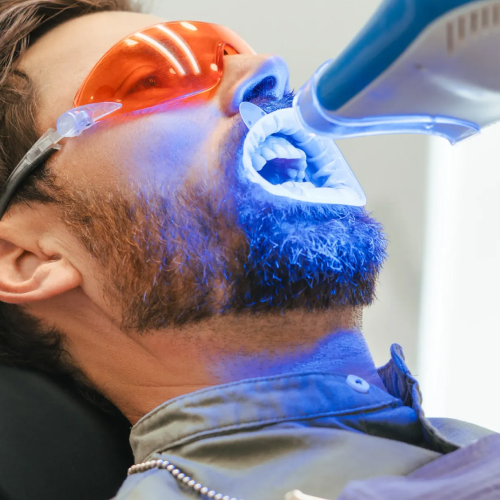
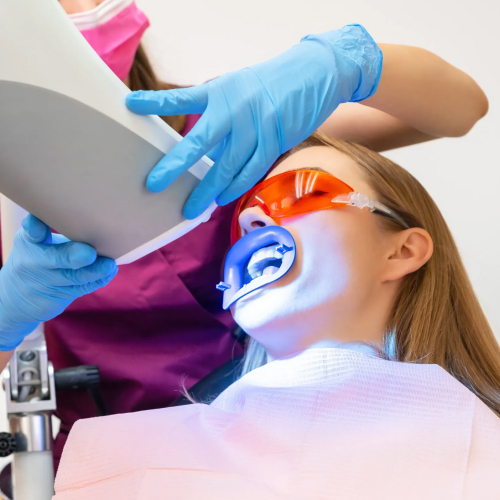
How Long Does Professional Teeth Whitening Actually Take to Work?
Bellflower patients: how long professional teeth whitening actually takes to work, why results vary by patient, and when you'll see shade changes. Book today.
Read More
Getting dental implants is a significant step towards improving your oral health and enhancing your smile. However, understanding the post-implant procedure and the necessary care is crucial for a smooth recovery. This guide will address common questions and concerns, ensuring you know what to expect and how to manage your new implants effectively.
Adapting to dental implants varies for each person. On average, it takes about 2-6 months for most patients to fully adjust. Initially, you might feel a bit of discomfort or a sense of unfamiliarity, but this is completely normal. Your body needs time to integrate the implant with the jawbone—a process known as osseointegration. As you follow your dentist's care instructions and attend follow-up appointments, you'll find the implants becoming a natural part of your mouth.
Immediately after your dental implant procedure, it's important to follow a soft diet. Typically, you can start eating normally within a week, but this depends on your individual healing process. In the first 24-48 hours, focus on consuming soft foods like yogurt, mashed potatoes, and smoothies. Gradually introduce firmer foods as your comfort level increases. Always chew on the opposite side of your mouth from the implant site to prevent any undue pressure on the new implant.
To ensure your dental implants heal correctly and without complications, it's important to follow certain guidelines and avoid specific activities and foods. Here are some key things to steer clear of during your recovery period:
Hard and Crunchy Foods: These can put unnecessary stress on the implant site and the surrounding tissues. Foods like nuts, hard candies, and raw vegetables can cause discomfort and even damage the newly placed implant. Instead, opt for softer foods that require minimal chewing, such as mashed potatoes, yogurt, scrambled eggs, and smoothies.
Smoking and Alcohol: Both smoking and alcohol consumption can significantly delay the healing process and increase the risk of implant failure. Smoking restricts blood flow to the gums and bone, which is crucial for healing, while alcohol can interfere with the body's ability to repair tissues. It's highly recommended to avoid these substances entirely during the recovery period.
Strenuous Physical Activity: For the first few days after your implant procedure, it's essential to avoid any intense exercise or physical activity that might elevate your blood pressure and disrupt the healing process. Activities like heavy lifting, running, or high-intensity workouts can increase swelling and bleeding at the implant site. Light activities, such as walking, are generally safe but always consult with your dentist for personalized advice.
Using Straws: The suction created when using a straw can cause bleeding and disrupt the implant site. It's best to avoid using straws for at least the first week after your procedure. Drink directly from a glass or use a spoon for thicker liquids like smoothies and soups.
Chewing on the Implant Site: While it might be tempting to test your new implant, avoid chewing directly on the implant site for several weeks. This helps prevent any undue pressure and allows the implant to integrate properly with the jawbone. Chew on the opposite side of your mouth and stick to softer foods until your dentist gives you the all-clear.
Hot Foods and Beverages: Extremely hot foods and drinks can cause discomfort and potentially burn the surgical site. Opt for lukewarm or cool items to avoid any irritation.
Touching the Implant Site: Avoid poking or prodding the implant area with your fingers or tongue. This can introduce bacteria and cause infections or other complications. Keep the area as undisturbed as possible to promote optimal healing.
Your dentist will provide a comprehensive list tailored to your specific situation, ensuring you have all the necessary information for optimal healing. Adhering to these guidelines and maintaining regular follow-up appointments will help ensure your dental implants heal successfully and last for many years.
Monitoring your implant's healing progress is essential to ensure everything is on track and to address any issues promptly. Here are some signs that indicate your dental implant is healing correctly:
Reduced Swelling and Discomfort
It's normal to experience some swelling and pain immediately after your dental implant procedure. These symptoms are a natural response to the surgery and should start to subside within a few days to a week. Over-the-counter pain relievers, as recommended by your dentist, can help manage any discomfort. If you notice that the swelling or pain persists beyond this period or becomes increasingly severe, contact your dentist as it might indicate an infection or other complication.
Healthy Gum Tissue
The health of the gum tissue surrounding the implant is a good indicator of proper healing. Healthy gums should be pink and firm without signs of infection. Watch out for excessive redness, swelling, or discharge, such as pus, which can signal an infection. Good oral hygiene is crucial; gently brush and floss around the implant area to keep it clean. Your dentist may also recommend a special mouth rinse to help maintain gum health during the healing process.
Stable Implant
As the implant integrates with your jawbone through a process called osseointegration, it should feel secure and stable. Any looseness or wobbling can be a sign that the implant is not properly integrating or that there is an underlying issue. Avoid putting pressure on the implant site during the initial healing phase to help ensure stability. If you feel any movement, it’s important to see your dentist immediately for an evaluation.
Minimal Bleeding
While some bleeding is normal after the surgery, it should gradually decrease and stop within a few days. If you experience prolonged or excessive bleeding, it could be a sign that the implant site is not healing correctly. Keeping the area clean and avoiding activities that might disturb the implant site, such as using straws or vigorous rinsing, can help prevent issues with bleeding.
No Unusual Sensations
During the healing process, you should not experience any unusual sensations like numbness, tingling, or a bad taste in your mouth. These can be signs of nerve damage or an infection. If you notice any of these symptoms, contact your dentist promptly for an assessment.
Regular Check-Ups with Your Dentist
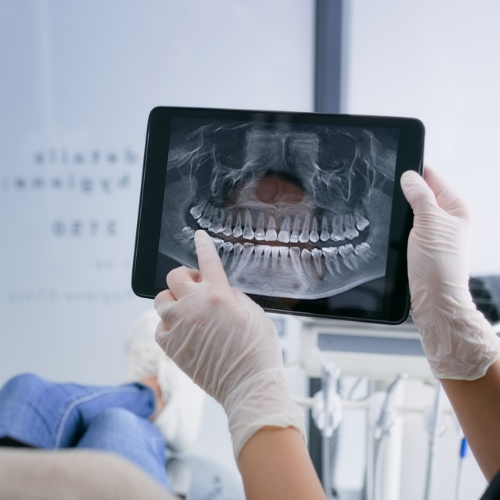
Regular check-ups with your dentist are crucial during the healing period. These appointments allow your dentist to monitor the implant site, take necessary X-rays, and address any concerns you might have. Your dentist will look for signs of proper osseointegration and check for any potential issues such as infection or improper alignment. Following your dentist's instructions and attending all scheduled appointments will help ensure a successful healing process.
Following Post-Operative Care Instructions
Adhering to the post-operative care instructions provided by your dentist is essential for proper healing. These instructions may include dietary restrictions, oral hygiene practices, and activity limitations. Ensuring that you follow these guidelines will support the healing process and help prevent complications.
Positive Feedback from Your Dentist
During follow-up visits, your dentist will assess the implant's progress and provide feedback on how well it is healing. Positive feedback, such as no signs of infection or movement and good integration with the jawbone, is an excellent indication that your implant is healing correctly.
By keeping an eye on these indicators and maintaining open communication with your dental professional, you can ensure your dental implant heals properly and provides a long-lasting, healthy smile. Regular monitoring and professional care are key to the success of your dental implant. If you have any concerns during the healing process, don't hesitate to reach out to your dentist for guidance and support.
Your journey to a confident smile doesn't end with getting dental implants; it's just the beginning. Proper aftercare is vital to ensuring the longevity and success of your implants. Schedule an appointment with us to receive personalized care and guidance tailored to your unique needs. Our expert team is here to support you every step of the way, from post-implant recovery to maintaining your new smile for years to come.
Fresh news from the dental world...


Mon - Fri 9AM - 6PM
Saturday 9AM - 3PM
Sunday Closed
Check out what our patients are saying in Bellflower, CA...


“Great customer service!”
Great customer service and attentive staff! My 3 year old enjoyed his visit! Yes, I said he enjoyed it! He had to have X-rays done, and I was so worried that he wasn't gonna be a happy camper but the X-ray tech, Dominique, is so good with kids! The X-rays were fast and painless! Overall a great experience!

“Surpasses my expectations!”
Amazing staff! My experience at Bellflower Dental Group was outstanding. I highly recommend this dental group. I come to them for my braces, their ortho is incredible, the highlight of this dental group. The staff is amazing, their employees are so kind and take the time to perfect your braces.

“I love this dental office!”
I have been coming here for years. It is a one-stop-shop! You can get your x-rays, cleaning, braces, labs, dentures, toothbrushes, and more all right here. The staff is great, and they try to work with you if you need a payment plan. Never had any issues with any of the work done here!
“Great customer service!”
Great customer service and attentive staff! My 3 year old enjoyed his visit! Yes, I said he enjoyed it! He had to have X-rays done, and I was so worried that he wasn't gonna be a happy camper but the X-ray tech, Dominique, is so good with kids! The X-rays were fast and painless! Overall a great experience!
“Surpasses my expectations!”
Amazing staff! My experience at Bellflower Dental Group was outstanding. I highly recommend this dental group. I come to them for my braces, their ortho is incredible, the highlight of this dental group. The staff is amazing, their employees are so kind and take the time to perfect your braces.
Check out our accreditations, sources, and relationships in the wide world of dentistry...


Check us out and follow our Bellflower, CA practice on social media...


