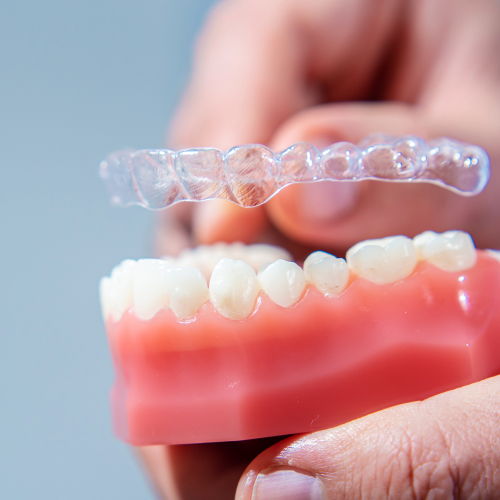
Why Your Invisalign Trays Aren't Fitting Right — and What to Do About It
Struggling with Invisalign gaps or tracking issues in Bellflower? Learn what's normal, what's not, and when refinements may help. Call us today.
Read More
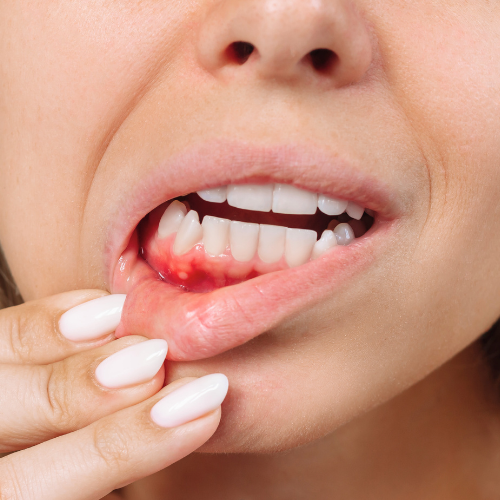
Gum disease can sneak up on you. It often starts with subtle irritation—maybe a bit of redness, a dash of swelling, or bleeding when you brush. Then, before you know it, you’re avoiding your favorite crunchy foods because your teeth feel sensitive. Sometimes, your dentist might recommend a deep cleaning to get your gum health back on track. But what does that really mean? How does it help? Let’s explore how deep cleanings go beyond your regular six-month checkup to give your mouth a fresh start and keep gum disease at bay.
A lot of folks think that gum disease is all about inflamed gums, but it’s much more than that. Gum disease, also known as periodontal disease, can creep below the gumline, eventually leading to bone and tooth loss if left untreated. If you’ve been told you need a deep cleaning, there’s no need to panic—this procedure is specifically designed to tackle gum disease head-on, removing the harmful bacteria that lurk out of sight so you can enjoy a healthier, happier smile.
Deep cleaning is also called scaling and root planing. You may have heard these terms tossed around by your dentist, which can sound a bit intimidating. But don’t worry—it’s simply a thorough method to remove plaque and tartar buildup that’s too stubborn for standard cleaning. While deep cleanings are often recommended by a dental professional, there are some telltale signs you can watch out for to know if you might need one:
1. Persistent Gum Bleeding
We’ve all seen a little pink in the sink when brushing too vigorously. But if your gums bleed frequently—even with gentle brushing or flossing—it could be a sign of gum inflammation or infection. Over time, plaque that’s left unremoved under the gumline can irritate the tissues, causing them to bleed more easily.
2. Gum Recession or “Longer-Looking Teeth”
Ever feel like your teeth look longer than they used to? That might be due to gum recession. When gum disease advances, the gum tissue pulls away from the teeth, creating pockets where bacteria can thrive. If it seems like your teeth have lengthened overnight, it’s time to see your dentist.
3. Chronic Bad Breath (Halitosis)
We all have bad breath occasionally—like after enjoying a garlic-heavy meal. But if your bad breath seems constant, you might have an overgrowth of bacteria in your mouth. This bacterial buildup can be linked to plaque stuck under the gums, which a deep cleaning can help remove.
4. Inflamed, Red, or Swollen Gums
Healthy gums typically look pale pink and feel firm. If your gums appear redder and puffier than usual, it could be an early indicator that something deeper is going on.
5. Loose Teeth or Teeth That Feel “Off”
In advanced cases of gum disease, teeth may start to feel less stable because the supporting tissues (like bone and gum) have been compromised. Noticing some wiggle room where it didn’t exist before is a serious sign that you need a thorough evaluation.
If you recognize one or more of these signs, it’s worth having a chat with a dental professional. At Bellflower Dental Group, we’re here to provide personalized insights. We’ll help pinpoint any potential problems and suggest the best course of treatment—which may include a deep cleaning—to tackle gum disease before it becomes more serious.
Let’s be real: dental procedures can be nerve-wracking, especially if you’re unsure what to expect. The good news is that a deep cleaning isn’t designed to be a painful experience. However, it can cause some discomfort—especially if your gums are already irritated. Here’s what typically happens during the procedure:
1. Numbing the Area
Before your dentist or hygienist starts the deep cleaning process, they’ll likely use a local anesthetic (usually delivered by injection) to numb your gums and the surrounding tissue. The numbing prevents you from feeling pain while the deep cleaning tools remove plaque and tartar from beneath your gumline. Some people might feel a slight pinch from the anesthetic injection, but after that, the sensation in the area is significantly reduced.
2. Scaling and Root Planing
Scaling is the first part of the deep cleaning, during which the dentist or hygienist carefully removes hardened plaque and tartar (calculus) from your tooth surfaces and especially below the gumline. After the scaling portion is done, they’ll move on to root planing, a technique that smooths out the surfaces of the tooth roots so that your gums can reattach more easily.
3. Mild Discomfort and Sensitivity
After the anesthetic wears off, it’s normal to feel a bit sore or tender in the treated areas. Some people experience sensitivity to hot or cold foods for a short period. This is because the tooth surfaces and roots have been recently cleared of buildup, making them more exposed. Luckily, the discomfort usually subsides within a few days.
4. Follow-Up Care
Your dentist might suggest an antibiotic mouth rinse or prescribe antibiotics if there’s a significant infection. You’ll also receive tips on how to care for your gums at home while they heal. The aim is to prevent further buildup and promote healthier gum tissue.
If you’re someone who experiences anxiety about dental work, let your dental team know. They can talk you through relaxation techniques or discuss sedation options if that’s appropriate for you. At Bellflower Dental Group, we understand how intimidating certain procedures can sound. Our approach is all about helping you feel comfortable from start to finish.
A deep cleaning is an investment in your oral health. Naturally, you’ll want to protect that investment and keep your gums looking and feeling their best. Maintenance isn’t complicated, but it does require consistent efforts. Here are some practical tips:
1. Stick to a Diligent Home Care Routine
This means brushing your teeth at least twice a day and flossing daily. After a deep cleaning, it’s especially important to remove plaque regularly before it has a chance to harden into tartar. Be gentle but thorough around the gumline, and consider using an antimicrobial mouthwash if your dentist recommends it.
2. Use the Right Tools
A soft-bristled toothbrush or an electric toothbrush can make a world of difference. Electric toothbrushes often have sensors to prevent excessive force against your teeth and gums, helping you brush more effectively without damaging your tissues.
3. Watch Your Diet
Sugary snacks and beverages can fuel bacterial growth in your mouth. This doesn’t mean you can never treat yourself, but moderation is key. Focus on a balanced diet rich in fruits, vegetables, and proteins. Drinking plenty of water also helps wash away food particles and reduces acidity in your mouth.
4. Stay Current with Dental Checkups
Even though your teeth and gums may feel much better after a deep cleaning, routine cleanings and checkups remain crucial. Regular dental visits help spot any new problem areas before they escalate. Think of it as a proactive approach to oral health. Most people benefit from seeing a dentist every six months, although those with a history of gum disease may need more frequent visits.
5. Monitor Your Gum Health
Keep an eye on any changes like persistent bad breath, gum tenderness, or bleeding. If something doesn’t feel right, don’t wait until your next scheduled appointment to address it. Early intervention can save you from more invasive treatments down the road.
6. Adopt a Mindful Approach to Overall Health
It’s no secret that oral health is connected to overall health. Factors like stress, smoking, and inadequate sleep can affect your immune system and your mouth. Being mindful of these lifestyle choices will not only keep your gums healthier but also improve your general well-being.
Maintaining healthy gums after a deep cleaning is mostly about consistency and awareness. Once you get into a good routine, it becomes second nature. If you have questions or run into any issues, don’t hesitate to reach out to a dental professional. At Bellflower Dental Group, we’re just a call (or email) away.
While deep cleanings are a robust defense against gum disease, remember that prevention is your best ally. Good oral hygiene habits—like brushing, flossing, eating well, and seeing your dentist regularly—can help you avoid the need for more intense treatments in the future. A deep cleaning can be seen as an opportunity for a fresh start if you’ve been battling gum problems.
It’s worth mentioning that gum disease can have systemic implications, too. Research has linked periodontal disease to conditions such as heart disease and diabetes. Keeping your gums healthy isn’t just about preserving your smile—it’s about your overall health. Think of your body as a connected system; if one part is struggling, it can affect the rest.
Another thing people often overlook is the psychological benefit of a healthy smile. When your gums feel good and your teeth are strong, you’re more confident. Smiling more can actually boost your mood and put others at ease. It’s a win-win for everyone you interact with—including yourself.
If you’re experiencing any symptoms like persistent gum bleeding, discomfort, or just a nagging feeling that something might be off, don’t wait too long. Early intervention can make a profound difference in the long-term health of your teeth and gums. And if you’ve already been advised that you need a deep cleaning, know that it’s a well-established procedure with a strong track record of helping patients get a handle on gum disease.
At Bellflower Dental Group, we take pride in offering care that’s both professional and friendly. We understand that a dental appointment isn’t always the highlight of your week, but we aim to make it as pleasant and stress-free as possible. Our team is dedicated to giving you the personalized attention and expert knowledge you deserve. We believe in open communication—whether it’s walking you through the steps of a deep cleaning, answering your questions about sedation, or providing detailed aftercare instructions.
So, if you suspect you might need a deep cleaning, or if you just want a thorough checkup to ensure everything is healthy, we’re here for you. Our mission is to help you maintain a vibrant, confident smile that reflects your overall well-being.
Schedule an appointment with us at Bellflower Dental Group. Let’s talk about how we can give your gums the support they need to keep you smiling for a lifetime.
Fresh news from the dental world...






Mon - Fri 9AM - 6PM
Saturday 9AM - 3PM
Sunday Closed
Check out what our patients are saying in Bellflower, CA...


“Great customer service!”
Great customer service and attentive staff! My 3 year old enjoyed his visit! Yes, I said he enjoyed it! He had to have X-rays done, and I was so worried that he wasn't gonna be a happy camper but the X-ray tech, Dominique, is so good with kids! The X-rays were fast and painless! Overall a great experience!

“Surpasses my expectations!”
Amazing staff! My experience at Bellflower Dental Group was outstanding. I highly recommend this dental group. I come to them for my braces, their ortho is incredible, the highlight of this dental group. The staff is amazing, their employees are so kind and take the time to perfect your braces.

“I love this dental office!”
I have been coming here for years. It is a one-stop-shop! You can get your x-rays, cleaning, braces, labs, dentures, toothbrushes, and more all right here. The staff is great, and they try to work with you if you need a payment plan. Never had any issues with any of the work done here!
“Great customer service!”
Great customer service and attentive staff! My 3 year old enjoyed his visit! Yes, I said he enjoyed it! He had to have X-rays done, and I was so worried that he wasn't gonna be a happy camper but the X-ray tech, Dominique, is so good with kids! The X-rays were fast and painless! Overall a great experience!
“Surpasses my expectations!”
Amazing staff! My experience at Bellflower Dental Group was outstanding. I highly recommend this dental group. I come to them for my braces, their ortho is incredible, the highlight of this dental group. The staff is amazing, their employees are so kind and take the time to perfect your braces.
Check out our accreditations, sources, and relationships in the wide world of dentistry...


Check us out and follow our Bellflower, CA practice on social media...


