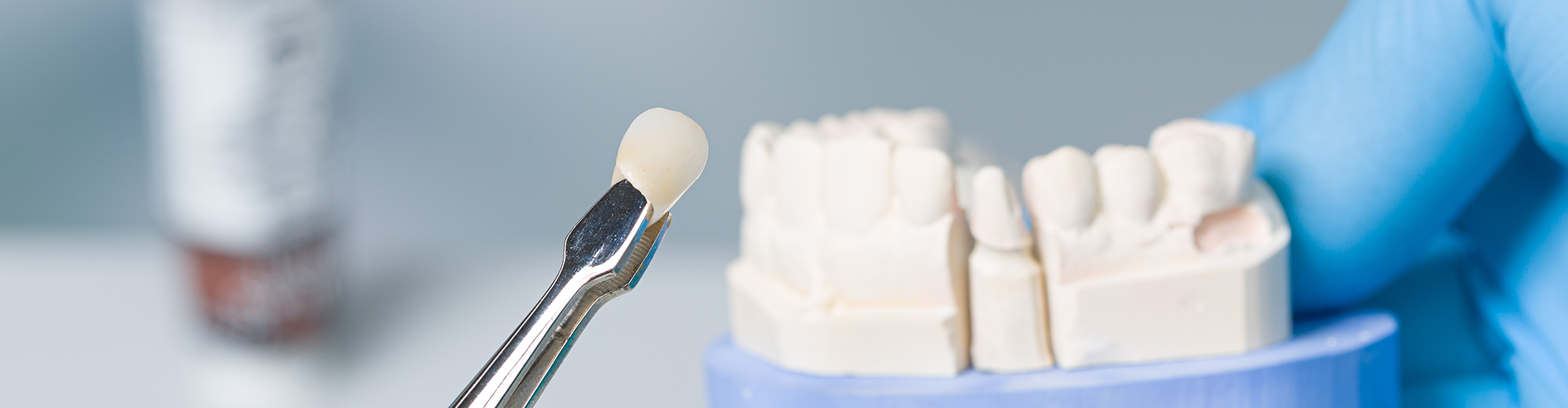
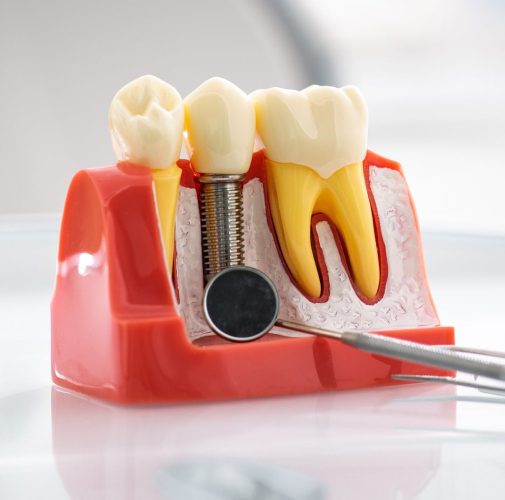
A dental crown is an investment in your oral health and smile. To ensure it serves you well for years, proper care is crucial. Here’s what you need to know about maintaining your crown effectively.
What to Avoid After Getting a Crown?
After your crown is placed, certain habits and foods can compromise its longevity. Ensuring you avoid these can help maintain the integrity and appearance of your crown for years to come. Here are the key things to avoid:
Hard and Sticky Foods:
Avoid hard foods like nuts, ice, and hard candies, as they can crack or dislodge your crown. Sticky foods such as caramel and chewing gum can pull the crown off or cause damage. Additionally, crunchy vegetables and fruits like raw carrots or apples should be eaten with caution. Consider cutting them into smaller pieces to minimize the risk. Hard and sticky foods place undue stress on the crown, potentially leading to fractures or loosening.
Chewing on Non-Food Items:
Many people have habits of chewing on non-food items like pens, pencils, fingernails, or even ice cubes. These habits can significantly weaken your crown and lead to breakage. The repetitive pressure and force exerted by chewing on these items can cause small cracks or chips in the crown, which may not be immediately noticeable but can grow over time and result in significant damage.
Grinding and Clenching:
Bruxism, or teeth grinding, puts excessive pressure on your crown. If you grind your teeth at night, consider using a night guard to protect your dental work. Grinding and clenching can wear down the crown material, making it more susceptible to damage. Discuss with your dentist about getting a custom-fitted night guard, as this can also help relieve symptoms of TMJ (temporomandibular joint) disorders and prevent further dental issues.
Poor Oral Hygiene:
Neglecting your oral hygiene can lead to decay and gum disease around the crown. Ensure you maintain a regular brushing and flossing routine. Poor oral hygiene can cause plaque buildup around the base of the crown, leading to gum inflammation and potential infection. Use fluoride toothpaste and consider using an antibacterial mouthwash to reduce plaque and bacteria levels in your mouth. Regular dental check-ups and cleanings are crucial to monitor the health of your crown and the surrounding gum tissue.
Eating Habits and Temperature Sensitivity:
Be mindful of sudden temperature changes in your food and drinks. Consuming very hot or very cold items can cause your crown to expand or contract, potentially weakening the bond with your natural tooth. This is particularly important in the first few weeks after getting your crown, as the adhesive bond is still strengthening.
Avoiding Tough Chewy Meats:
Tough, chewy meats like steak can be difficult to manage with a crown. They require substantial chewing effort, which can place stress on your crown. Opt for softer proteins or ensure that tougher meats are cooked to a tender consistency and cut into manageable pieces.
Excessive Alcohol and Sugary Foods:
Excessive consumption of alcohol and sugary foods can contribute to tooth decay and gum disease, even around a crown. Alcohol can dry out your mouth, reducing saliva production which is essential for neutralizing acids and washing away food particles. Sugary foods can lead to plaque buildup, increasing the risk of cavities and decay near the crown. Moderation and proper oral hygiene practices can mitigate these risks.
By being mindful of these factors and making a conscious effort to avoid them, you can protect your dental crown and ensure it remains in excellent condition for as long as possible. If you have any concerns about what foods or habits might affect your crown, don't hesitate to consult with your dentist. They can provide personalized advice and solutions tailored to your specific needs.
How Long After a Crown is Cemented Can I Eat?
Understanding when and what to eat after getting a crown is vital to avoid complications. Here’s what to keep in mind:
Immediate Post-Procedure:
Typically, you should wait at least 30 minutes after the crown is cemented before eating or drinking. This allows the cement to set properly, ensuring a strong bond.
First 24 Hours:
During the first day, stick to soft foods and avoid hot, cold, or sticky items. This precaution helps prevent irritation and allows your crown to settle.
Long-Term Eating Habits:
Once fully set, you can generally return to your normal diet. However, continue to avoid foods that are excessively hard or sticky to preserve the integrity of your crown.
How Do You Clean Under a Crown?
Maintaining cleanliness under your crown is essential for preventing decay and gum disease. Here’s how to do it effectively:
Regular Brushing:
Brush your teeth at least twice a day with fluoride toothpaste. Use a soft-bristle toothbrush and ensure you brush gently around the crown.
Flossing:
Floss daily to remove plaque and food particles between your teeth and around the crown. Use a floss threader if needed to navigate around the crown more easily.
Interdental Brushes:
Consider using interdental brushes to clean hard-to-reach areas under and around your crown. These small brushes are effective at removing debris without damaging your crown.
Professional Cleanings:
Schedule regular dental cleanings and check-ups. Your dentist can professionally clean around the crown and check for any potential issues early on.
Maintaining your dental crown requires attention and care, but it’s well worth the effort to protect your investment. By avoiding harmful habits, understanding the right time to eat, and keeping the area clean, you can ensure your crown lasts for many years.
Schedule Your Appointment Today!
Ready to ensure your dental crown stays in top condition? Schedule an appointment with our experienced dental team today. We’ll provide you with personalized care and advice to keep your smile healthy and beautiful. Call us now to book your visit!