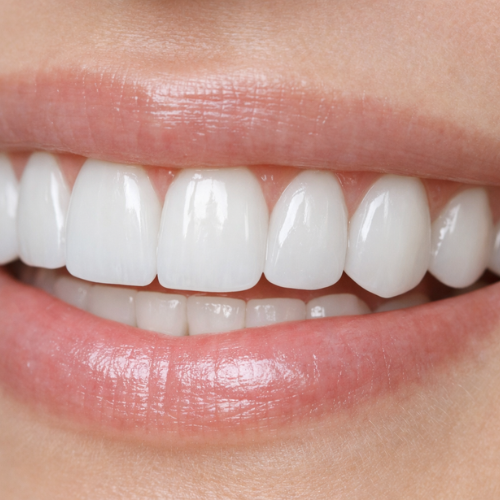
Let’s be honest, most of us don't give much thought to our teeth until something starts to hurt. But there's a whole lot of fascinating stuff happening inside each one of those pearly whites, and understanding it can make you appreciate your teeth even more – and maybe even help you take better care of them! Today, we're going on a little journey inside your tooth to explore its amazing structure, especially the parts that play a role when you need a root canal.
What Are the Main Parts of a Tooth?
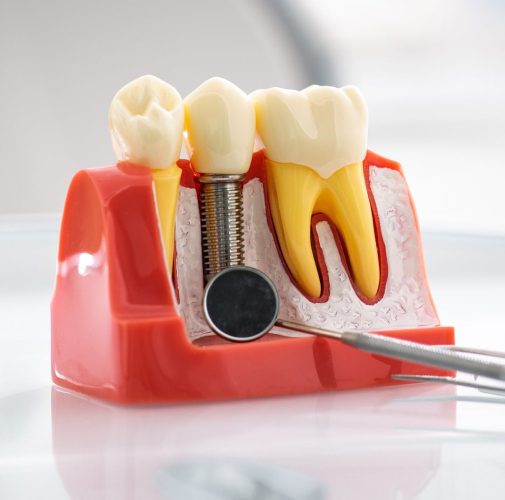
Think of your tooth like a little, living building. It's got different "rooms" and layers, each with its own important job. Let's break it down, starting from the outside in:
- Enamel: The Superhero Shield: Enamel is the hardest substance in your entire body, even tougher than bone! It's the outermost layer, the visible part of your tooth, and its job is to act as a super-tough shield, protecting the inner layers from damage, decay, and extreme temperatures. Think of it as the superhero armor for your tooth. When you’re enjoying an ice cream cone on a hot summer day or sipping a warm cup of coffee on a chilly morning, your enamel is what protects you from feeling those extreme temperatures on the sensitive parts of your teeth. It is a remarkable substance that can withstand a lot of wear and tear, but it’s not invincible. Consistent care is crucial to keep it in top shape.
- Dentin: The Supportive Underlayer: Beneath the enamel lies dentin. It's a yellowish, bone-like material that makes up the bulk of your tooth. Dentin is softer than enamel, but still pretty tough. It's filled with tiny, microscopic tubes that connect to the inner "heart" of the tooth, which we'll talk about next. These tubules are a key part of what makes dentin so important. They allow for the transmission of sensations. For instance, when you eat something very cold or very hot, the dentin helps in transferring that sensation to the nerve of the tooth. This sensitivity can be a signal to us, alerting us to potential problems like cavities or other forms of damage.
- Pulp: The Heart of the Tooth: Now we're getting to the core – the pulp. This is the innermost part of your tooth, a soft, living tissue containing nerves, blood vessels, and connective tissue. The pulp is essentially the lifeline of your tooth, providing it with nutrients and keeping it healthy. It's like the central nervous system for your tooth, feeling pain and other sensations. The pulp extends from the crown of the tooth down to the tip of the roots, forming what are known as root canals. These canals are vital for maintaining the health and functionality of the tooth. When decay or an injury reaches the pulp, it can cause infection, inflammation, and severe pain. It's at this point that procedures like root canals become necessary to save the tooth.
- Cementum: The Root's Anchor: Cementum is a specialized, bone-like substance that covers the root of the tooth, anchoring it to the jawbone via the periodontal ligament. This ligament is a network of fibers that act like tiny, strong ropes, holding the tooth firmly in place while allowing for a little bit of movement, which is essential for normal tooth function. Cementum plays a critical role in protecting the root and providing support. It's less known than enamel but equally crucial for your dental health.
- Periodontal Ligament: The periodontal ligament is an intricate system of connective tissues and fibers that act like tiny, strong ropes, holding the tooth firmly in place within the jawbone. This structure is essential for the stability and function of the tooth. Not only does it keep your teeth firmly anchored, but it also allows for a bit of movement, which is crucial for normal tooth function and for withstanding the pressures of chewing and biting.
- Jawbone (Alveolar Bone): Finally, we have the jawbone, also known as the alveolar bone. This is the foundation that supports and holds your teeth in place. A healthy jawbone is essential for healthy teeth. The bone provides the necessary support for the roots of the teeth and plays a key role in distributing the forces generated during chewing. When teeth are lost or when periodontal disease sets in, the alveolar bone can start to deteriorate, leading to further complications. That's why maintaining good oral hygiene and getting regular dental check-ups is not just about your teeth – it's about maintaining the health of your entire jaw.
What Is a Root Canal?
Now that you know the different parts of a tooth, let's talk about what a root canal actually is. The term "root canal" often gets used to describe the procedure itself, but technically, it refers to the tiny channels inside the root of your tooth that contain the pulp.
When the pulp becomes infected or inflamed – usually due to deep decay, a crack or chip in the tooth, or repeated dental procedures on the same tooth – that's when you need a root canal treatment.
Here's what happens during the procedure, step-by-step:
- Accessing the Pulp: Your dentist will first numb the area to make sure you're comfortable. Then, they'll make a small opening in the crown of the tooth to access the pulp chamber.
- Removing the Infected Pulp: Using special, tiny instruments, your dentist will carefully remove the infected or inflamed pulp from the root canals.
- Cleaning and Shaping the Canals: Once the pulp is removed, the root canals are thoroughly cleaned, disinfected, and shaped to prepare them for filling.
- Filling the Canals: The cleaned root canals are filled with a biocompatible material called gutta-percha, which seals them off to prevent reinfection.
- Restoring the Tooth: Finally, the opening in the crown of the tooth is sealed with a filling, and in many cases, a crown is placed over the tooth to restore its strength and function.
A root canal is a tooth-saving procedure. By removing the infected pulp and sealing off the root canals, your dentist can eliminate the infection, relieve your pain, and prevent the need for extraction.
Why is the Pulp So Important?
You might be wondering, "If the pulp can get infected and cause so much trouble, why do we even need it?" That's a great question! The pulp is essential for several reasons, especially during the development of your teeth.
- Sensory Function: The nerves in the pulp are what allow you to feel sensations in your teeth, like hot, cold, and pressure. This might not seem like a big deal, but it's actually a vital warning system. If you feel pain in your tooth, it's a signal that something's wrong, and you need to see your dentist. It's like an alarm system for your tooth.
- Nutrient Supply: The blood vessels in the pulp deliver nutrients to the tooth, keeping the dentin and other tissues healthy. When a tooth is developing, the pulp plays a critical role in providing the nourishment needed for the tooth to grow strong and healthy.
- Defense Against Infection: While the pulp can become infected, it also plays a role in defending the tooth against bacteria. The pulp contains immune cells that help fight off infection.
Once a tooth is fully developed, it can survive without the pulp because it can still get nourishment from the surrounding tissues. That's why a root canal can save a tooth even after the pulp is removed. But, the pulp remains crucial during the tooth's development and plays an important role in its overall health.
Keeping Your Teeth Healthy: It's a Team Effort!
Understanding the structure of your teeth and the importance of the pulp can help you appreciate the importance of good oral hygiene. Regular brushing and flossing, along with routine dental cleanings and exams, are essential for preventing decay and other problems that can lead to the need for a root canal. It takes teamwork with you and your dentist to keep your smile healthy.
At Bellflower Dental Group, we're passionate about helping our patients maintain healthy, beautiful smiles. We believe that education is a powerful tool in preventing dental problems. By understanding how your teeth work and what you can do to keep them healthy, you can be an active partner in your own dental care.
Schedule Your Appointment Today!
If you're experiencing tooth pain or have any concerns about your oral health, don't hesitate to reach out to us. We're here to help! Our team at Bellflower Dental Group is dedicated to providing gentle, compassionate care to patients of all ages.
Schedule your appointment today and let us help you keep your smile healthy and bright for years to come! We look forward to seeing you!