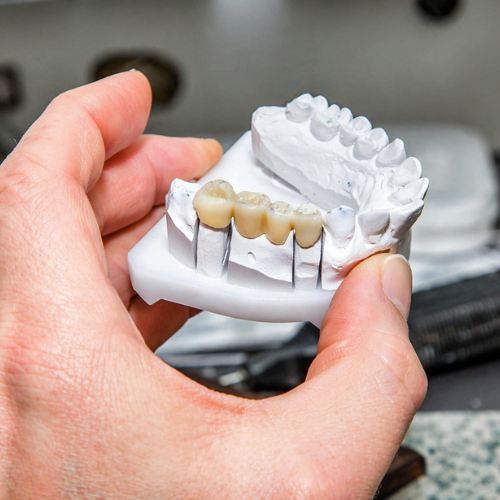
When One Missing Tooth Starts Causing More Trouble Than You Expected
Learn how a dental bridge replaces a missing tooth, who it helps, and how long it can last at Bellflower Dental Group.
Read More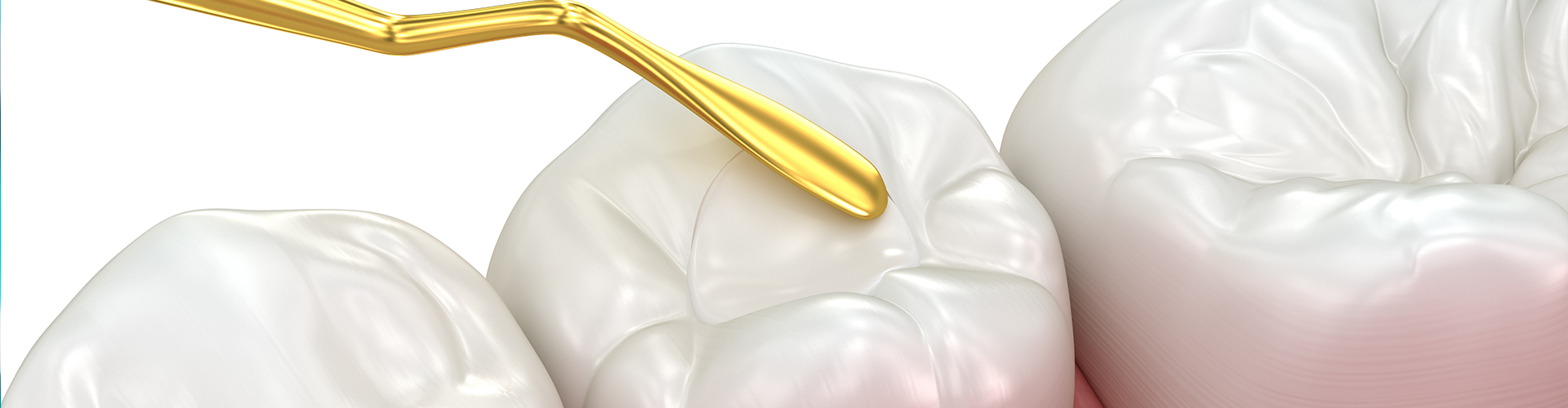
It’s not exactly the conversation you dream of having over lunch, but let’s be honest—at some point, most of us will need a dental filling. Maybe it’s a small cavity you didn’t know you had, or a filling from years ago that needs replacing. Whatever the reason, fillings are a normal part of keeping your smile healthy. But here’s the thing: not all fillings are the same.
At Bellflower Dental Group, we get asked about filling options all the time. And rightly so—your mouth isn’t one-size-fits-all, so your treatment shouldn’t be either. Let’s take a closer look at the different types of dental fillings, how they stack up, and how to choose the one that fits you best.
There are a few common materials dentists use for fillings. Each has its perks, quirks, and ideal uses. Here’s a breakdown of the most common types:
Composite Fillings
These are tooth-colored fillings made from a mix of plastic and fine glass particles. They’re incredibly popular because they blend right into your natural teeth—no one will even know you’ve had a filling. Composite is great for small to medium cavities, especially in visible areas like your front teeth.
Pros:
Matches your tooth color
Bonds directly to the tooth structure, which can help strengthen it
Can be used on both front and back teeth
Cons:
May wear out faster than other types, especially on heavy chewers
A little more expensive than silver (amalgam) fillings
Amalgam Fillings
These silver-colored fillings have been around for over a century. Made from a mix of metals including silver, mercury, tin, and copper, they’re known for their durability.
Pros:
Very strong and long-lasting
Often more affordable than other options
Ideal for molars where chewing pressure is high
Cons:
Noticeable (not tooth-colored)
Some people have concerns about mercury, though studies show it’s safe for most patients
Ceramic (Porcelain) Fillings
Think of these as the luxury option. Ceramic fillings are made from porcelain and are often used for inlays or onlays. They’re custom-made in a lab and offer a beautiful, natural look.
Pros:
Highly resistant to staining
Strong and long-lasting
Nearly invisible once placed
Cons:
More expensive
Typically requires more than one visit
These are made from acrylic and a specific type of glass. They don’t last as long but are often used in baby teeth or for small cavities near the gumline.
Pros:
Releases fluoride, which can help prevent future decay
Bonds well with tooth structure
A good option for children
Cons:
Not as strong or durable
Less aesthetically pleasing than composite or porcelain
Choosing a filling isn't just about how it looks—it’s also about where it’s going in your mouth, how big the cavity is, how much chewing force that tooth handles, and yes, even your budget.
Here’s how we usually help patients decide:
Location of the Cavity: If the filling is in a visible area, you might lean toward composite or ceramic for that natural look. If it’s in the back where durability matters most, amalgam could be the better bet.
Size of the Cavity: Larger cavities might need something stronger or more supportive like ceramic or a custom-made inlay.
Chewing Habits: If you’re someone who grinds their teeth or has a powerful bite, that’s another reason to consider a more durable material.
Age and Oral Hygiene Habits: For younger patients or those more prone to cavities, a glass ionomer filling with fluoride release might be recommended.
Insurance Coverage and Budget: Let’s be real—sometimes it comes down to dollars and cents. We’re happy to walk you through what your plan covers and give you options that fit your needs.
At Bellflower Dental Group, we never make you choose without support. We’ll explain each option clearly, give our honest opinion based on your dental health, and answer any questions you have.
This is a common concern, and we totally get it. The idea of a drill and dental tools can feel intimidating—but the reality? Getting a filling today is easier and more comfortable than ever.
Does it hurt?
Nope. With modern numbing techniques and gentle care, most people don’t feel a thing beyond a slight pinch from the anesthetic. The entire process usually takes under an hour. Afterward, you might feel a little numb for a couple of hours and notice some mild sensitivity for a day or two, but that’s about it. If you’re nervous, let us know. We’re pros at making people feel at ease.
It depends on the material and how well you care for your teeth.
Amalgam: 10–15 years or more
Composite: 5–10 years
Ceramic: 10–15 years
Glass Ionomer: 3–5 years
With regular brushing, flossing, and check-ups, your fillings could last even longer. We’ll keep an eye on them during your routine visits and let you know if any are showing signs of wear or need replacing.
Whether it’s your first cavity or your fifth, needing a filling doesn’t mean you’ve failed at dental care. It’s just one of the ways we help keep your teeth healthy and pain-free. And the good news? You have options—and we’re here to help you choose the one that fits your smile and lifestyle best.
If you’ve been putting off a filling or suspect you might need one, don’t wait until it becomes a bigger issue. Small cavities are easy to fix. Big ones? Not so much. Let’s catch it early and keep your smile strong.
Ready to take care of that tooth? Schedule your appointment with Bellflower Dental Group today. We’ll walk you through your options and make the experience as smooth, quick, and painless as possible.
Your smile deserves nothing less.
Fresh news from the dental world...




Mon - Fri 9AM - 6PM
Saturday 9AM - 3PM
Sunday Closed
Check out what our patients are saying in Bellflower, CA...


“Great customer service!”
Great customer service and attentive staff! My 3 year old enjoyed his visit! Yes, I said he enjoyed it! He had to have X-rays done, and I was so worried that he wasn't gonna be a happy camper but the X-ray tech, Dominique, is so good with kids! The X-rays were fast and painless! Overall a great experience!

“Surpasses my expectations!”
Amazing staff! My experience at Bellflower Dental Group was outstanding. I highly recommend this dental group. I come to them for my braces, their ortho is incredible, the highlight of this dental group. The staff is amazing, their employees are so kind and take the time to perfect your braces.

“I love this dental office!”
I have been coming here for years. It is a one-stop-shop! You can get your x-rays, cleaning, braces, labs, dentures, toothbrushes, and more all right here. The staff is great, and they try to work with you if you need a payment plan. Never had any issues with any of the work done here!
“Great customer service!”
Great customer service and attentive staff! My 3 year old enjoyed his visit! Yes, I said he enjoyed it! He had to have X-rays done, and I was so worried that he wasn't gonna be a happy camper but the X-ray tech, Dominique, is so good with kids! The X-rays were fast and painless! Overall a great experience!
“Surpasses my expectations!”
Amazing staff! My experience at Bellflower Dental Group was outstanding. I highly recommend this dental group. I come to them for my braces, their ortho is incredible, the highlight of this dental group. The staff is amazing, their employees are so kind and take the time to perfect your braces.
Check out our accreditations, sources, and relationships in the wide world of dentistry...


Check us out and follow our Bellflower, CA practice on social media...


