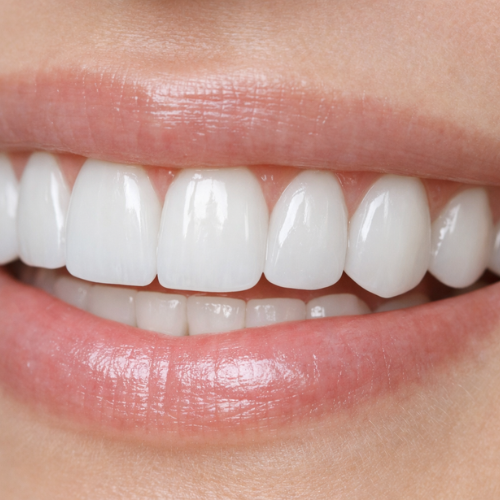
Do Veneers Stain? What Every Patient Should Know Before Getting One
Wondering if veneers stain over time? Bellflower Dental Group explains what causes discoloration and how to keep your smile bright. Call today.
Read More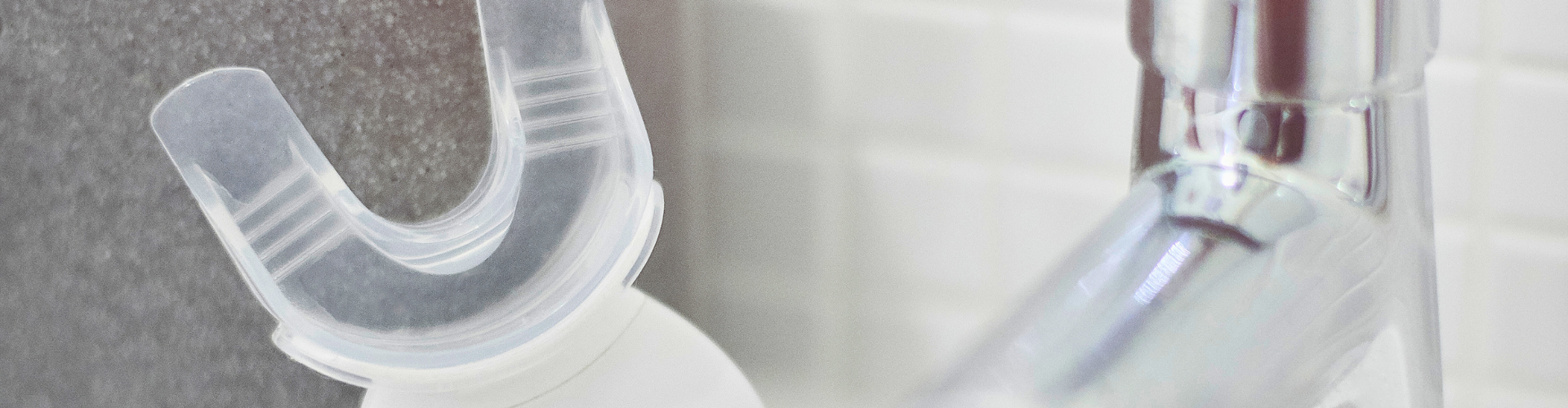
There’s a moment most people recognize.
You catch your reflection in the car mirror or in a Zoom window, and your teeth look a little… dull. Not unhealthy. Not “bad.” Just not as bright as they used to be.
If you’ve ever wondered whether whitening is worth it, you’re not alone. The confusing part is the options. Strips. Pens. “Whitening” toothpastes. Trendy LED gadgets. In-office treatments. And then there’s the one that sits quietly in the middle, often overlooked, but genuinely practical for real life.
That’s take-home teeth whitening from your dental office.
At Bellflower Dental Group, take-home whitening is designed for people who want results that look natural, feel comfortable, and fit into a normal routine without turning your bathroom into a science lab.
This article breaks down how take-home whitening works, who it’s best for, and how to get the kind of bright smile that still looks like you.
Before we talk about whitening, it helps to know what you are actually trying to change.
Tooth color shifts for two main reasons:
1) Surface stains (extrinsic stains) These sit on the outside of the tooth. Common causes include:
2) Internal color changes (intrinsic stains) These happen inside the tooth structure, and can come from:
Whitening can be very effective, but the best approach depends on what kind of discoloration you have and how sensitive your teeth are.
A professional take-home whitening kit is not the same as a random box from a store shelf.
It is typically made up of:
Quick reality check: Whitening is not the same as cleaning. If you have plaque buildup or tartar, whitening gel cannot “brighten” that. You will get better, more even results when your teeth are clean first.
Most people start noticing a difference fairly quickly, often within the first week, but the pace depends on:
A good result looks like:
The goal is not to look like you replaced your teeth. The goal is to look like you.
They can be, but it depends on which kit and how it’s used.
Here’s the simplest way to think about safety:
Professional take-home whitening is generally safe when:
Whitening becomes risky when:
Most whitening issues are not true harm. They are side effects, usually temporary.
Common side effects include:
A dental-supervised kit helps reduce these problems because:
Important note: Whitening does not work on crowns, veneers, or fillings. If you have dental work on your front teeth, you will want a plan so the final result still matches.
Take-home whitening is especially good for people who want:
It is also a strong option if you are whitening for something specific, like:
Whitening works best when you keep it simple and consistent. Here are the habits that make the biggest difference:
Do this:
Avoid this during treatment:
You do not have to live off plain rice and water, but it helps to be strategic while you are actively whitening.
This is where the real difference shows up.
1) Fit and coverage: Store-bought strips and trays are made to work “okay” for many mouths, which means they fit perfectly for almost nobody.
A take-home kit from a dental office is built around your exact tooth shape. That matters because:
2) Strength and control: Some store kits are weak and barely noticeable. Others are strong enough to trigger sensitivity because people use them too often or too long.
Professional kits give you a better balance:
3) Personalization based on your mouth: This part is underrated. Whitening is not just about “white.” It is about:
A dentist-supervised plan helps you avoid the most common frustration: spending money, trying for weeks, and still feeling like nothing changed.
4) Better long-term value: A take-home kit often becomes a maintenance tool. Many patients keep the trays and only refresh occasionally as needed.
That is very different from constantly buying new boxes of strips and hoping the next one works better.
It is easy to get pulled into marketing claims. Here’s a grounded take.
Whitening toothpaste
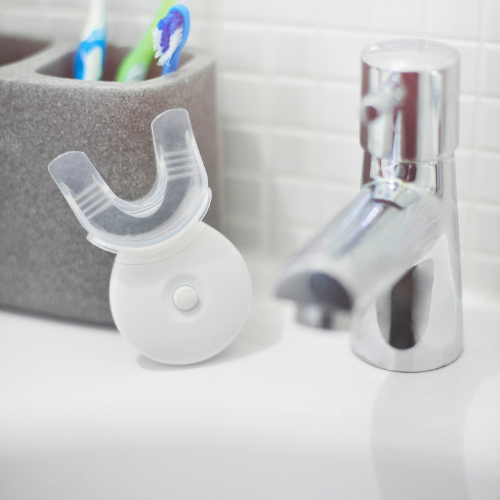
LED whitening gadgets
If you want predictable results, it helps to work with a method that is proven, customized, and monitored.
The best whitening treatment is the one that matches your teeth, your sensitivity level, your timeline, and your expectations.
Here is a simple way to compare:
Option A: Professional take-home whitening
This is best for:
Option B: In-office whitening
This is best for:
Option C: Over-the-counter products
This can be okay for:
What matters most: Before choosing a method, you want to make sure:
Sometimes the “best” whitening plan includes whitening first and then adjusting old dental work to match. That is a normal part of smile planning.
If any of the following feel true, take-home whitening may be a good fit:
Sensitivity does not mean you cannot whiten. It usually means you need a smarter plan.
Helpful strategies often include:
The key is not forcing your way through discomfort. Whitening should not feel like a punishment.
If you’re considering take-home whitening, the easiest next step is a quick visit to make sure your teeth and gums are ready and to choose the right approach.
Schedule an appointment with Bellflower Dental Group to talk about take-home whitening, in-office whitening, or a plan that fits your timeline and your smile goals.
Fresh news from the dental world...


Mon - Fri 9AM - 6PM
Saturday 9AM - 3PM
Sunday Closed
Check out what our patients are saying in Bellflower, CA...


“Great customer service!”
Great customer service and attentive staff! My 3 year old enjoyed his visit! Yes, I said he enjoyed it! He had to have X-rays done, and I was so worried that he wasn't gonna be a happy camper but the X-ray tech, Dominique, is so good with kids! The X-rays were fast and painless! Overall a great experience!

“Surpasses my expectations!”
Amazing staff! My experience at Bellflower Dental Group was outstanding. I highly recommend this dental group. I come to them for my braces, their ortho is incredible, the highlight of this dental group. The staff is amazing, their employees are so kind and take the time to perfect your braces.

“I love this dental office!”
I have been coming here for years. It is a one-stop-shop! You can get your x-rays, cleaning, braces, labs, dentures, toothbrushes, and more all right here. The staff is great, and they try to work with you if you need a payment plan. Never had any issues with any of the work done here!
“Great customer service!”
Great customer service and attentive staff! My 3 year old enjoyed his visit! Yes, I said he enjoyed it! He had to have X-rays done, and I was so worried that he wasn't gonna be a happy camper but the X-ray tech, Dominique, is so good with kids! The X-rays were fast and painless! Overall a great experience!
“Surpasses my expectations!”
Amazing staff! My experience at Bellflower Dental Group was outstanding. I highly recommend this dental group. I come to them for my braces, their ortho is incredible, the highlight of this dental group. The staff is amazing, their employees are so kind and take the time to perfect your braces.
Check out our accreditations, sources, and relationships in the wide world of dentistry...


Check us out and follow our Bellflower, CA practice on social media...


