Embarking on the road to oral surgery can stir up a whirlwind of emotions. You might find yourself teetering on the edge of anticipation and apprehension, grappling with a sea of questions. At our dental clinic, we believe in empowering you with the right knowledge, so you feel confident and secure about the process. Let's unravel some of the frequently asked queries surrounding oral surgery, to help you transition smoothly through your dental journey.
Is Oral Surgery Major Surgery?
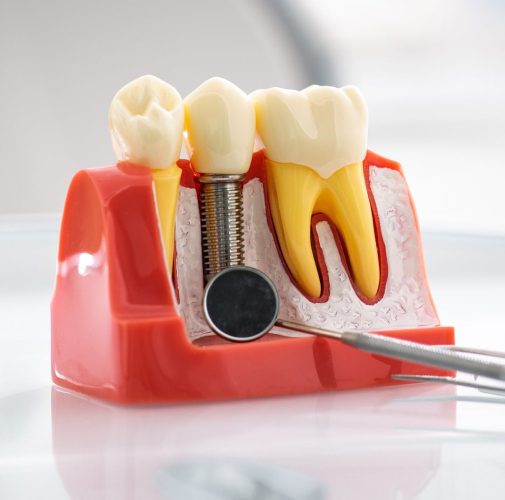
Hearing the term 'oral surgery' might set off alarm bells in your mind, picturing an intimidating, major operation. But let's dial back the fear factor a little. Oral surgeries span a broad spectrum, from routine procedures like wisdom tooth extractions and dental implants to more complex operations like corrective jaw surgery.
So, what exactly qualifies as major surgery? In the medical lexicon, "major" generally pertains to surgeries that involve significant risks, intensive care, or extended periods of recuperation. By that definition, not all oral surgeries would be considered major. In fact, many are minimally invasive with manageable recovery periods.
Let's take the example of a wisdom tooth extraction. This is a standard procedure typically completed in a single visit with local anesthesia, and most patients can resume normal activities in a few days. On the other hand, a procedure like jaw correction surgery is indeed more complex, requires a hospital stay, and has a longer recovery period. Hence, while the latter falls under the bracket of major surgery, the former does not.
The intensity and complexity of the procedure, along with the subsequent recovery time, largely depend on the specific type of surgery involved and the overall health of the individual. Factors like age, overall physical health, and the presence of underlying conditions can significantly influence both the surgery itself and the recovery process.
At our dental clinic, we prioritize the safety and comfort of our patients above everything else. We ensure that all surgical procedures, whether minor or major, are conducted by professionals who are not only experienced but are also skilled and updated with the latest advancements in dental care. Our surgeons and supporting staff are committed to making your surgical experience as comfortable as possible, providing comprehensive care that starts with a detailed consultation and extends to post-operative care and beyond.
Moreover, we believe in the philosophy of shared decision-making. We keep you informed about the details of the proposed surgery, its benefits, risks, and alternatives if any. We ensure you have all the information needed to make an informed decision about your treatment plan.
In conclusion, while some oral surgeries can indeed be categorized as major procedures, many are routine, with quick recovery times. Irrespective of the type of surgery, you can rest assured that at our clinic, your well-being is our topmost priority, and you'll be in safe, skilled hands.
Can I Go Straight to an Oral Surgeon?
Although it may seem like an efficient approach, it's better to start with a consultation with a general dentist. They can carry out a comprehensive evaluation of your dental health, detect problems, and suggest suitable treatment alternatives.
We emphasize the importance of initial consultations. It allows us to understand your dental health better and ensure that the proposed treatment aligns perfectly with your needs. We then refer you to an oral surgeon, only if necessary.
What Should I Avoid After Oral Surgery?
Knowing the dos and don'ts after oral surgery can set the stage for a speedy and comfortable recovery. Here's what you should avoid:
-
Smoking and Alcohol: These can hinder the healing process and increase complications. It's advisable to abstain for at least a week or until your surgeon gives you the green signal.
-
Physical Exertion: Keep off heavy lifting and vigorous workouts for a few days post-operation to ward off bleeding or swelling.
-
Hard and Spicy Foods: Stick to soft and bland foods until your mouth is completely healed.
-
Neglecting Oral Hygiene: While aggressive brushing near the surgery area should be avoided, cleaning the rest of your mouth gently and doing regular salt water rinses can maintain oral hygiene.
How Can I Make My Mouth Heal Faster After Oral Surgery?
We all yearn for a swift bounce-back after oral surgery. To expedite your healing process, consider these tips:
-
Follow the Surgeon's Instructions: This point can't be emphasized enough. The surgeon's instructions are your roadmap to recovery. These guidelines, based on your specific surgery and personal health factors, are meticulously designed to promote healing, prevent complications, and reduce discomfort. This can include recommendations on medications to take, how to clean the surgical area, foods to eat or avoid, and signs of potential complications to watch out for.
-
Stay Hydrated: Hydration plays a vital role in overall health and healing. It aids in nutrient distribution, maintaining body temperature, and flushing out toxins. After oral surgery, opt for water as your primary source of hydration. Remember to avoid hot or acidic beverages, as they can irritate the surgical site.
-
Eat a Balanced Diet: Good nutrition is a cornerstone of effective healing. Incorporating vitamins A and C in your diet can significantly contribute to wound healing and tissue regeneration. Vitamin A promotes the production of white blood cells essential for fighting infections, while Vitamin C is crucial for collagen production, a protein necessary for wound healing. Foods rich in these vitamins include citrus fruits, leafy greens, sweet potatoes, bell peppers, and more.
-
Rest Adequately: Lastly, don't underestimate the power of rest. After undergoing oral surgery, giving your body ample time to recuperate is vital. The physical stress of surgery necessitates extra energy for healing, and adequate rest allows your body to channel energy effectively towards recovery. It also helps reduce inflammation and avoid complications. So, remember to take it easy, avoid strenuous activities, and ensure you get plenty of sleep.
Concluding Thoughts: Trust in Your Smile Journey
We understand that oral surgery can feel like a daunting journey, but with the right guidance and care, it can be traversed comfortably. This guide is intended to answer your most pressing questions about oral surgery and shed light on the path to recovery.
At Bellflower Dental Group, we are committed to providing exceptional dental care. We strive to maintain a comfortable and friendly environment that reassures our patients and empowers them with the knowledge they need. We walk you through every step of the process, from preoperative consultations to post-operative care, ensuring that you are never left in the dark.
Don't hesitate to reach out to us if you have more questions or if you wish to schedule a consultation. We're here to assist you every step of the way on your journey towards perfect oral health. Your radiant, healthy smile is our ultimate mission!