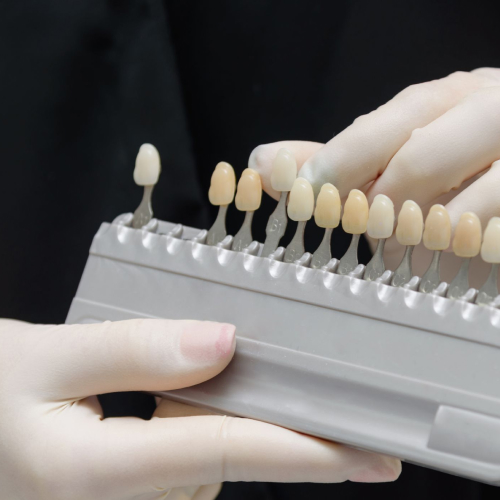
Dental Bonding vs. Veneers vs. Lumineers: What I Actually Recommend
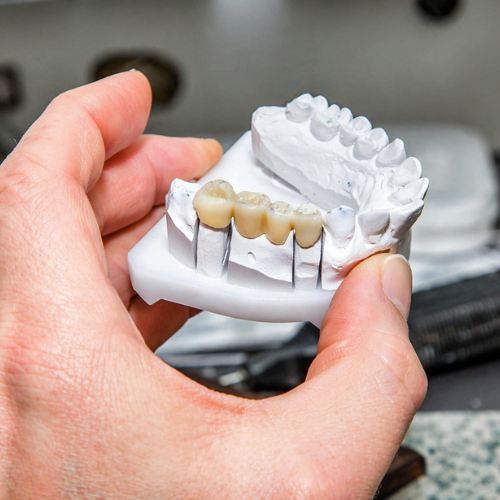
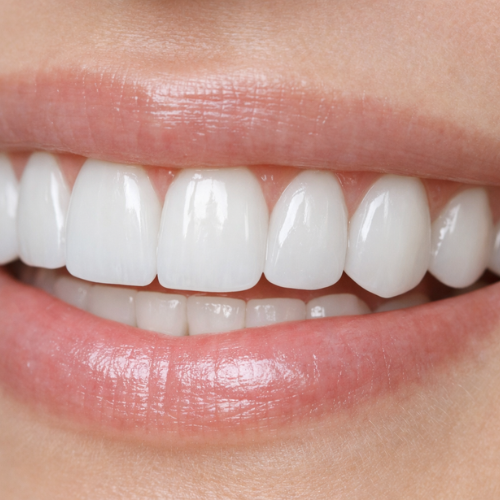
Which is better, bonding or veneers? Compare porcelain veneers to no-prep Lumineers to find your best smile. Book your Bellflower Dental Group consult today!
Read More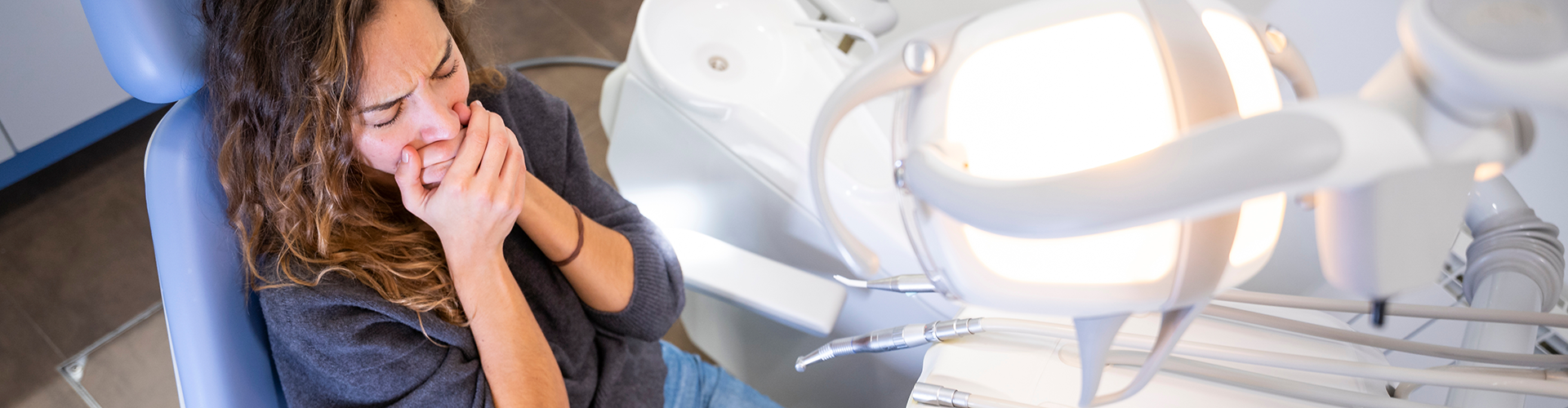
Visiting the dentist can be a nerve-wracking experience for many, but understanding the facts can help alleviate some of that fear. Let’s address some common concerns and misconceptions about dental visits and the safety measures in place to ensure your comfort and well-being.
The thought of death at the dentist’s office is alarming, but it’s essential to know that dental procedures are incredibly safe. Dental professionals are trained to handle medical emergencies and have strict protocols in place to ensure patient safety. Severe complications are extremely rare, especially with the advancement of modern dental technology and anesthesia practices. Understanding the safety measures and risks involved can help ease anxiety and build confidence in seeking dental care.
Dental Procedures Are Usually Minor:
Most dental procedures, such as cleanings, fillings, and extractions, are considered minor and do not pose significant risks to your overall health. These procedures are routinely performed under local anesthesia, which numbs only the specific area being treated, minimizing the risk of complications.
Comprehensive Training and Protocols:
Dentists undergo extensive training in medical emergency management, including advanced cardiac life support (ACLS) and basic life support (BLS). This training equips them with the skills needed to identify and respond to emergencies effectively. Dental offices are also equipped with emergency medical equipment, such as defibrillators and oxygen tanks, to address any unforeseen complications swiftly.
Vital Sign Monitoring:
During dental procedures, especially those involving sedation or anesthesia, dentists and their teams continuously monitor patients’ vital signs, including heart rate, blood pressure, and oxygen levels. This constant monitoring allows for immediate intervention if any irregularities occur, ensuring patient safety throughout the procedure.
Preventive Measures and Pre-Procedure Assessments:
Before undergoing any dental procedure, patients are typically required to provide a detailed medical history and undergo a pre-procedure assessment. This assessment helps identify any potential risk factors, such as allergies, underlying medical conditions, or current medications that could interfere with the procedure or anesthesia.
Anesthesia and Sedation Safety:
Advancements in anesthesia and sedation techniques have significantly improved the safety of dental procedures. Local anesthesia, conscious sedation, and general anesthesia are carefully administered based on the procedure’s complexity and the patient’s needs. Anesthesiologists or specially trained dentists oversee the administration and monitor patients throughout the process to ensure safety.
Post-Procedure Care and Follow-Up:
Proper post-procedure care is crucial for preventing complications and ensuring a smooth recovery. Dentists provide detailed instructions on post-operative care, including pain management, oral hygiene, and signs of potential complications to watch for. Regular follow-up appointments allow the dentist to monitor healing and address any concerns promptly.
Understanding the Risks:
While the idea of something going wrong at the dentist can be daunting, the reality is that dental procedures are generally safe and well-regulated. The combination of rigorous training, advanced technology, and comprehensive safety protocols ensures that patients can undergo dental treatments with confidence.
Yes, dentists can administer general anesthesia, but it’s typically reserved for more complex procedures or specific patient needs. General anesthesia involves putting the patient into a controlled state of unconsciousness, allowing the dentist to perform the procedure without causing any pain or distress. This type of anesthesia is usually administered by a specialized anesthesiologist or a dentist with additional training in anesthesia.
What is General Anesthesia?
General anesthesia is a medically induced state of unconsciousness where the patient is completely unaware and feels no pain. Unlike local anesthesia, which numbs a specific area, general anesthesia affects the entire body, ensuring that the patient remains unconscious and pain-free during the procedure. It involves the administration of anesthetic drugs through inhalation or intravenous (IV) injection, and the effects wear off gradually once the procedure is completed.
When is General Anesthesia Used?
General anesthesia is not commonly used for routine dental procedures but is invaluable in certain situations:
Yes, dentists can put you to sleep to pull a tooth. This practice, known as sedation dentistry, involves using medications to help patients relax or become unconscious during dental procedures. The level of sedation required varies depending on the complexity of the procedure and the patient's level of anxiety. Here’s a detailed look at the different types of sedation used in dentistry:
Minimal Sedation: You are awake but relaxed. This is often used for patients with mild anxiety or for simple procedures. Methods typically include inhaled nitrous oxide (laughing gas) or oral sedatives.
Moderate Sedation: You are conscious but may slur your words and not remember much of the procedure. This level of sedation is suitable for patients with moderate anxiety or for longer, more involved procedures. It is administered through oral sedatives or intravenous (IV) medications.
Deep Sedation: You are on the edge of consciousness but can still be awakened if necessary. This is ideal for patients with severe dental anxiety or for more complex procedures that require extended time. Deep sedation is typically administered through IV medications.
General Anesthesia: You are completely unconscious and will not feel any pain during the procedure. General anesthesia is reserved for highly complex dental surgeries or patients with extreme anxiety who cannot tolerate being awake. It is administered by an anesthesiologist or a dentist with specialized training in general anesthesia.
Sedation dentistry is used for various reasons, including complex procedures such as dental implants or multiple tooth extractions. It is also beneficial for patients with severe anxiety, a low pain threshold, a strong gag reflex, or difficulty sitting still for extended periods.
Safety and Monitoring:
During sedation dentistry, the dental team closely monitors the patient’s vital signs, including heart rate, blood pressure, and oxygen levels, to ensure safety. The use of sedation is carefully controlled and administered by professionals trained in anesthesia and emergency response.
Pre-Procedure Preparation:
Before undergoing sedation, a thorough medical evaluation is conducted. This includes reviewing the patient’s medical history, current medications, and any potential allergies. The dentist will discuss the sedation options, explaining the risks and benefits to ensure the patient is comfortable and informed.
Post-Procedure Care:
After the procedure, patients are monitored as they recover from the sedation. It is common to feel groggy or disoriented for a few hours after the procedure, so arranging for someone to drive you home is important. Detailed post-operative care instructions are provided to manage pain and promote healing.
Your oral health is crucial to your overall well-being. Don’t let fear hold you back from maintaining a healthy smile. Our team is dedicated to providing a comfortable and safe environment for all our patients. We offer various sedation options to ensure your visit is as stress-free as possible.
Fresh news from the dental world...




Mon - Fri 9AM - 6PM
Saturday 9AM - 3PM
Sunday Closed
Check out what our patients are saying in Bellflower, CA...


“Great customer service!”
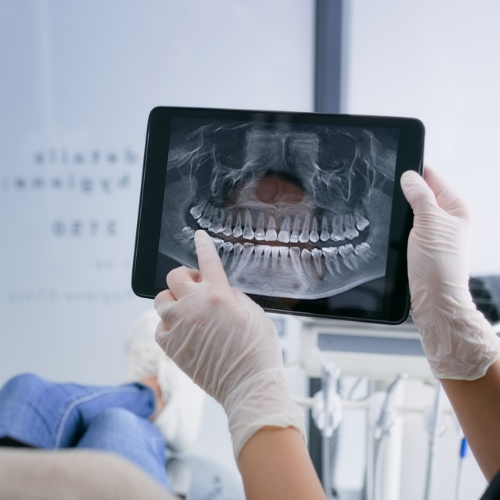
Great customer service and attentive staff! My 3 year old enjoyed his visit! Yes, I said he enjoyed it! He had to have X-rays done, and I was so worried that he wasn't gonna be a happy camper but the X-ray tech, Dominique, is so good with kids! The X-rays were fast and painless! Overall a great experience!

“Surpasses my expectations!”
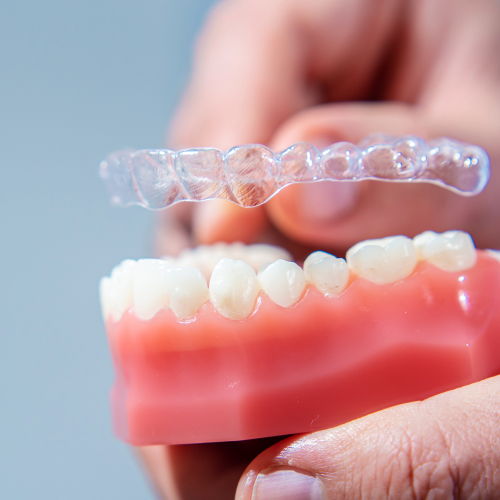
Amazing staff! My experience at Bellflower Dental Group was outstanding. I highly recommend this dental group. I come to them for my braces, their ortho is incredible, the highlight of this dental group. The staff is amazing, their employees are so kind and take the time to perfect your braces.

“I love this dental office!”
I have been coming here for years. It is a one-stop-shop! You can get your x-rays, cleaning, braces, labs, dentures, toothbrushes, and more all right here. The staff is great, and they try to work with you if you need a payment plan. Never had any issues with any of the work done here!
“Great customer service!”
Great customer service and attentive staff! My 3 year old enjoyed his visit! Yes, I said he enjoyed it! He had to have X-rays done, and I was so worried that he wasn't gonna be a happy camper but the X-ray tech, Dominique, is so good with kids! The X-rays were fast and painless! Overall a great experience!
“Surpasses my expectations!”
Amazing staff! My experience at Bellflower Dental Group was outstanding. I highly recommend this dental group. I come to them for my braces, their ortho is incredible, the highlight of this dental group. The staff is amazing, their employees are so kind and take the time to perfect your braces.
Check out our accreditations, sources, and relationships in the wide world of dentistry...


Check us out and follow our Bellflower, CA practice on social media...


