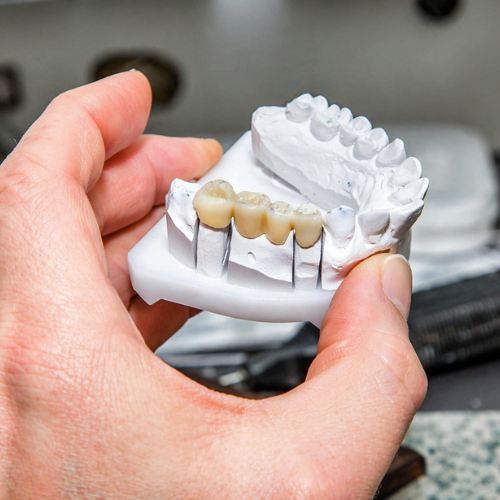
When One Missing Tooth Starts Causing More Trouble Than You Expected
Learn how a dental bridge replaces a missing tooth, who it helps, and how long it can last at Bellflower Dental Group.
Read More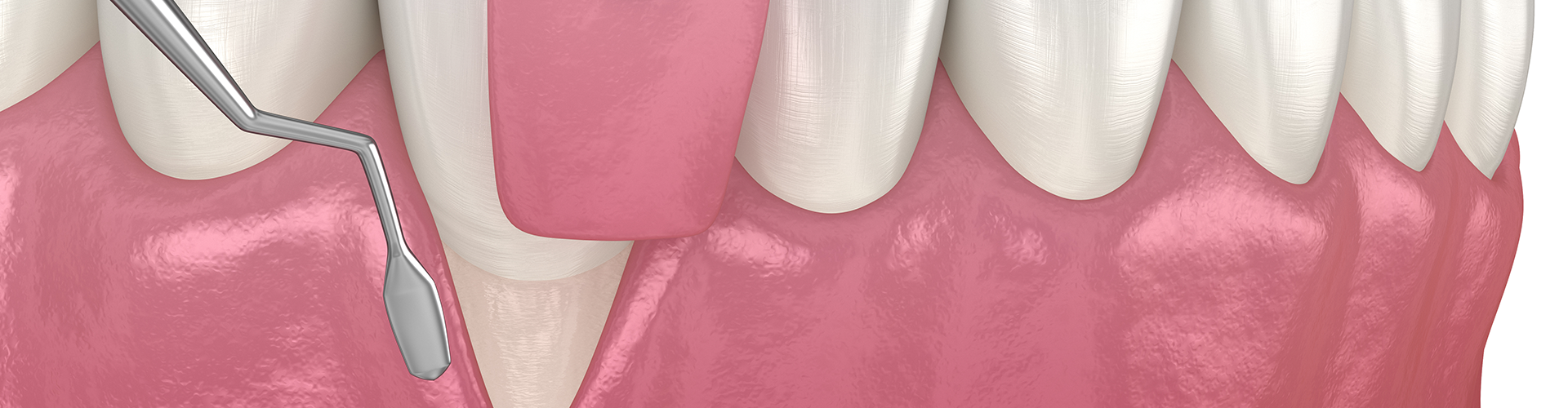
Gum health is an essential part of your overall oral hygiene, yet it often doesn't receive the attention it deserves. Healthy gums not only support your teeth but also play a crucial role in your general well-being. Receding gums can lead to sensitivity, tooth decay, and even tooth loss if left untreated. One effective solution to address gum recession is gum grafting. In this blog, we'll explore what gum grafting is and why it might be necessary for you.
Gum grafting is a surgical procedure that involves transplanting healthy gum tissue from one area of your mouth to another where the gums have receded. But why is this procedure necessary?
Gum recession can arise due to several factors:
When gums recede, it doesn't just alter the appearance of your smile; it also leads to several dental issues. Exposed tooth roots can become sensitive to hot and cold temperatures, making eating and drinking uncomfortable. Additionally, these exposed areas are more susceptible to decay, leading to cavities below the gum line that are more challenging to treat.
Gum grafting helps restore your gum line to its natural position by covering exposed roots, providing a protective barrier against sensitivity and decay. The procedure reinforces thin or weak gum tissue, helping to prevent further recession and potential bone loss. By shielding the roots, it reduces discomfort caused by temperature changes and certain foods. Moreover, reestablishing a uniform gum line enhances the aesthetics of your smile, boosting your confidence.
You might be wondering what happens during a gum grafting procedure. Understanding the process can alleviate any anxiety and help you prepare mentally for the treatment.
The procedure typically begins with a thorough examination and consultation. Your dentist or periodontist will assess the extent of gum recession and discuss the best treatment plan for your situation.
On the day of the procedure:
The three main types of gum grafts are:
Your dental professional will determine the most suitable method based on factors like the degree of recession, the amount of available donor tissue, and your individual needs.
The entire procedure usually takes about one to two hours. Because it's an outpatient procedure, you can go home the same day.
Recovery is a critical part of the gum grafting process. Knowing what to expect can help you heal faster and avoid complications.
After the procedure, it's normal to experience some discomfort, swelling, and bleeding. Here's what you can do to ensure a smooth recovery:
Most people recover fully within one to two weeks. The grafted tissue integrates with existing gum tissue, and the area becomes stronger and healthier.
While gum grafting is a common and generally safe procedure, it's important to be aware of potential risks:
If you're experiencing gum recession or have been advised to consider gum grafting, we're here to help. Our experienced dental team is dedicated to providing personalized care to restore your gum health and protect your smile.
Don't let gum issues compromise your oral health and confidence. Early intervention can prevent more serious problems down the line. Contact us today to schedule a consultation and take the first step toward a healthier, happier smile.
Fresh news from the dental world...





Mon - Fri 9AM - 6PM
Saturday 9AM - 3PM
Sunday Closed
Check out what our patients are saying in Bellflower, CA...


“Great customer service!”
Great customer service and attentive staff! My 3 year old enjoyed his visit! Yes, I said he enjoyed it! He had to have X-rays done, and I was so worried that he wasn't gonna be a happy camper but the X-ray tech, Dominique, is so good with kids! The X-rays were fast and painless! Overall a great experience!

“Surpasses my expectations!”
Amazing staff! My experience at Bellflower Dental Group was outstanding. I highly recommend this dental group. I come to them for my braces, their ortho is incredible, the highlight of this dental group. The staff is amazing, their employees are so kind and take the time to perfect your braces.

“I love this dental office!”
I have been coming here for years. It is a one-stop-shop! You can get your x-rays, cleaning, braces, labs, dentures, toothbrushes, and more all right here. The staff is great, and they try to work with you if you need a payment plan. Never had any issues with any of the work done here!
“Great customer service!”
Great customer service and attentive staff! My 3 year old enjoyed his visit! Yes, I said he enjoyed it! He had to have X-rays done, and I was so worried that he wasn't gonna be a happy camper but the X-ray tech, Dominique, is so good with kids! The X-rays were fast and painless! Overall a great experience!
“Surpasses my expectations!”
Amazing staff! My experience at Bellflower Dental Group was outstanding. I highly recommend this dental group. I come to them for my braces, their ortho is incredible, the highlight of this dental group. The staff is amazing, their employees are so kind and take the time to perfect your braces.
Check out our accreditations, sources, and relationships in the wide world of dentistry...


Check us out and follow our Bellflower, CA practice on social media...


