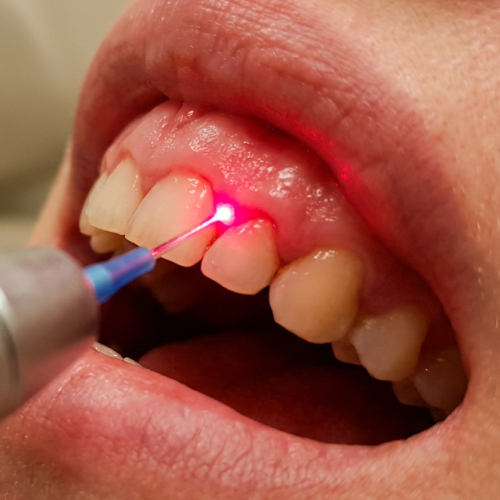
Gum Contouring: What the Procedure Actually Involves (And Who Should Do It)
Wondering how gum contouring works and who can perform it? Learn about the procedure and visit requirements, then schedule your consult with our team today!
Read More
A bright smile is one of the first things people notice, yet even those with great oral hygiene can find their teeth slowly losing their sparkle. Whether it’s that daily cup of coffee or simply the passage of time, tooth discoloration happens to almost everyone. But not all stains are the same, and that’s exactly why one whitening method doesn’t fit all.
At Bellflower Dental Group, we see patients every week who are frustrated that whitening strips or toothpaste aren’t working, and the reason often lies in the type of stain affecting their teeth. Understanding that difference is the first step toward a truly radiant smile.
Extrinsic stains are those that sit on the outer surface of the tooth, while intrinsic stains occur beneath the enamel, within the inner layer called dentin. In simple terms, extrinsic stains are external and usually respond well to professional cleaning or whitening, while intrinsic stains are internal and need more advanced treatments.
Extrinsic stains are often caused by lifestyle habits—think coffee, tea, red wine, or tobacco. These pigments cling to the enamel, the hard outer layer of the tooth, and gradually darken it over time. Even certain foods like berries or sauces can leave surface marks if consumed frequently.
Intrinsic stains, on the other hand, form when something affects the internal structure or color of the tooth. This can happen due to aging, medication use (like tetracycline during tooth development), dental trauma, or too much fluoride. Since these stains live beneath the enamel, they can’t simply be brushed away.
Professional whitening treatments target both types differently. Surface stains often respond well to in-office whitening or polishing, while intrinsic discoloration might require stronger whitening gels, microabrasion, or even veneers for the most natural-looking result.
The key takeaway: identifying whether your discoloration is extrinsic or intrinsic helps your dentist choose the treatment that will actually work, not just temporarily brighten your smile.
Brown and yellow stains are typically extrinsic, caused by what you eat, drink, or inhale, while white stains can be intrinsic, often forming due to enamel damage or mineral imbalance. In other words, brown and yellow stains sit on the surface, while white patches may indicate deeper issues beneath it.
Brown stains are commonly linked to coffee, black tea, tobacco, or poor brushing habits. Over time, pigments called chromogens stick to plaque and enamel, creating that uneven color. Even mouth rinses with chlorhexidine can sometimes cause brownish discoloration if used long-term.
Yellow stains usually signal enamel thinning. As the enamel wears down—either with age, acidic foods, or excessive brushing—the naturally yellow dentin underneath begins to show through. These stains can also result from plaque buildup or frequent exposure to staining foods.
White stains tell a different story. They often appear as chalky spots or lines and can stem from excessive fluoride exposure during childhood (fluorosis), early enamel decay, or loss of minerals. While they might look cleaner than darker stains, they still indicate an area where enamel has been compromised.
Each type of stain provides a clue about what’s happening inside your mouth. For example:
At Bellflower Dental Group, we examine both the color and pattern of discoloration before recommending treatment. What looks like a simple stain could actually be an early warning of deeper enamel issues—and knowing the difference can save both your smile and your wallet in the long run.
Extrinsic stains can usually be lifted through professional cleanings or whitening treatments, while intrinsic stains often require advanced in-office procedures like bleaching or veneers. The right approach depends on the stain’s source and depth.
Let’s start with the most common culprits:
Coffee and Tea Stains: Both coffee and tea contain tannins—natural compounds that leave a residue on the enamel. While whitening toothpaste can help with mild discoloration, deeper stains need professional whitening. At Bellflower Dental Group, we use high-strength peroxide gels that safely break down pigments without damaging enamel. Regular professional cleanings also keep these stains from settling too deeply.
Tobacco Stains: Nicotine and tar from cigarettes are notorious for creating stubborn brown and yellow discoloration. These stains often embed themselves into the enamel, making them hard to remove at home. A combination of professional cleaning, in-office whitening, and lifestyle changes (like quitting smoking) delivers the best long-term results. Patients often notice a dramatic difference even after a single whitening session once the surface buildup is removed.
Aging-Related Stains: As we age, enamel naturally thins, allowing the yellow dentin underneath to show more. Internal whitening treatments can help brighten these deeper layers, though results vary from person to person. In some cases, when whitening isn’t enough, veneers or bonding offer a more permanent fix for restoring youthful brightness.
Medication or Trauma-Related Stains: Some intrinsic stains—especially those caused by antibiotics taken during childhood or trauma that disrupts tooth formation—may not respond to whitening gels at all. Instead, dentists may recommend options like dental bonding, veneers, or crowns to mask discoloration while preserving the natural structure of the tooth.
Everyday Maintenance: Even the best whitening treatment won’t last without good maintenance habits. Brushing twice a day with fluoride toothpaste, flossing daily, and regular professional cleanings keep stains from returning. Using a straw for staining drinks, rinsing with water after meals, and avoiding smoking all extend your results.
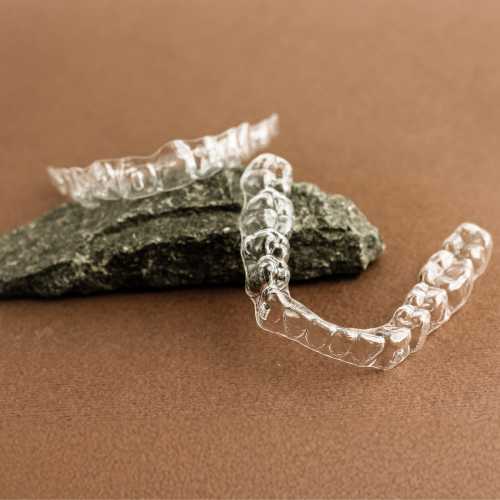
For those who prefer at-home whitening, dentist-approved trays with professional-grade gel can maintain brightness between visits. However, it’s important to avoid over-the-counter products that promise instant results but can damage enamel if used incorrectly.
Tooth whitening works through oxidation—a process where active ingredients like hydrogen or carbamide peroxide penetrate enamel to break apart stain molecules. Professional whitening systems use controlled concentrations that reach deeper without harming tooth structure.
In contrast, many over-the-counter whitening products rely on abrasive ingredients or weak bleaching agents that only treat surface stains and can cause tooth sensitivity. That’s why dentist-supervised whitening remains the gold standard for both safety and effectiveness.
At Bellflower Dental Group, whitening treatments are tailored to your enamel’s condition and stain type. Whether it’s in-office whitening for instant results or custom trays for gradual brightening at home, each option is designed for lasting radiance without the risk of over-bleaching.
The easiest stain to remove is the one that never forms. Small habits can make a huge difference in keeping your smile luminous:
By staying consistent with these habits and combining them with professional whitening when needed, you can keep your smile bright for years to come.
Every smile tells its own story, and no two sets of teeth respond the same way to whitening. The secret is knowing what kind of stain you’re dealing with and choosing a treatment that matches it. A coffee drinker with surface stains won’t need the same approach as someone whose teeth darkened from medication or age.
That’s where personalized care makes all the difference. At Bellflower Dental Group, we don’t just whiten teeth—we analyze, explain, and customize the process for you. Whether you’re hoping to restore brilliance for an event or simply refresh your confidence, our team ensures that your results look natural and feel comfortable.
Don’t let stains dull your confidence. Schedule an appointment with Bellflower Dental Group today to find out which whitening treatment is right for your teeth. Our experts will help you uncover a shade that looks bright, natural, and uniquely you.
Fresh news from the dental world...




Mon - Fri 9AM - 6PM
Saturday 9AM - 3PM
Sunday Closed
Check out what our patients are saying in Bellflower, CA...


“Great customer service!”
Great customer service and attentive staff! My 3 year old enjoyed his visit! Yes, I said he enjoyed it! He had to have X-rays done, and I was so worried that he wasn't gonna be a happy camper but the X-ray tech, Dominique, is so good with kids! The X-rays were fast and painless! Overall a great experience!

“Surpasses my expectations!”
Amazing staff! My experience at Bellflower Dental Group was outstanding. I highly recommend this dental group. I come to them for my braces, their ortho is incredible, the highlight of this dental group. The staff is amazing, their employees are so kind and take the time to perfect your braces.

“I love this dental office!”
I have been coming here for years. It is a one-stop-shop! You can get your x-rays, cleaning, braces, labs, dentures, toothbrushes, and more all right here. The staff is great, and they try to work with you if you need a payment plan. Never had any issues with any of the work done here!
“Great customer service!”
Great customer service and attentive staff! My 3 year old enjoyed his visit! Yes, I said he enjoyed it! He had to have X-rays done, and I was so worried that he wasn't gonna be a happy camper but the X-ray tech, Dominique, is so good with kids! The X-rays were fast and painless! Overall a great experience!
“Surpasses my expectations!”
Amazing staff! My experience at Bellflower Dental Group was outstanding. I highly recommend this dental group. I come to them for my braces, their ortho is incredible, the highlight of this dental group. The staff is amazing, their employees are so kind and take the time to perfect your braces.
Check out our accreditations, sources, and relationships in the wide world of dentistry...


Check us out and follow our Bellflower, CA practice on social media...


