If teeth could talk, a cavity would be your tooth clearing its throat and saying, “Hey, something’s been off for a while.” It usually starts quietly. A little sensitivity. A rough edge you keep catching with your tongue. A sweet tooth moment that suddenly feels less sweet.
That’s the tricky thing about tooth decay. Cavities don’t always announce themselves with pain at first, but they do progress if nothing changes. And when a cavity gets past the early stage, a dental filling is often the simplest way to stop it from turning into something bigger.
In this blog, we’ll break down what cavities are, why they happen, what fillings actually do, and how to make them last. You’ll also get direct answers to common questions people search, including how many cavities is “normal” and whether dentists ever recommend unnecessary fillings.
Before we dive in, here’s the headline truth: cavities are common, but repeat cavities are not inevitable. Most people can reduce tooth decay with a few targeted changes and the right care plan.
What cavities are and why they show up
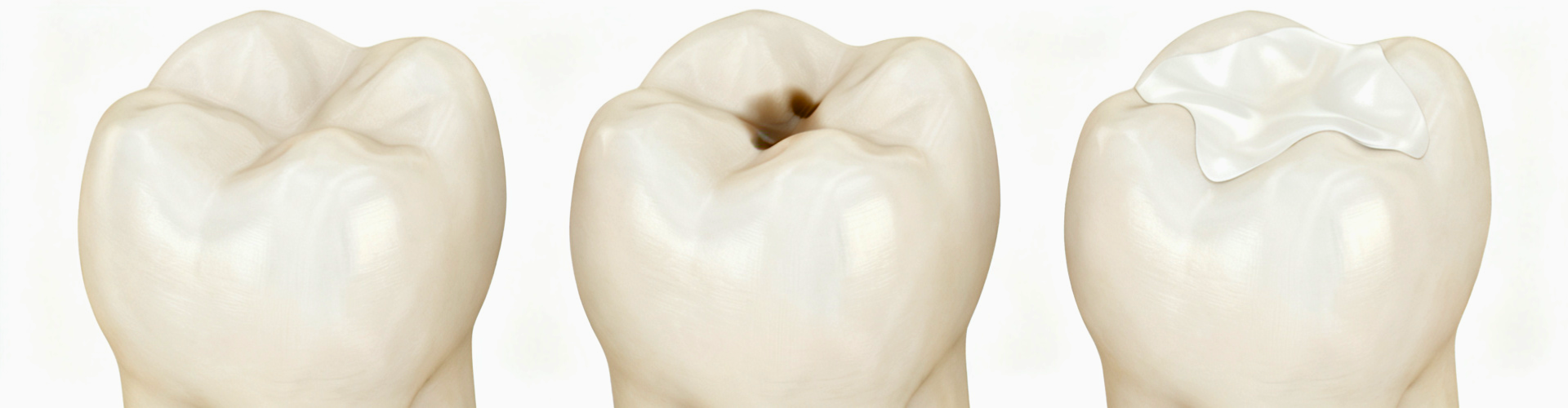
A cavity is a damaged area of tooth structure caused by acids produced when bacteria in plaque break down sugars and carbohydrates. That acid softens enamel, and over time, the tooth develops a weak spot that can become a hole.
Think of tooth decay like a slow leak. You might not notice right away, but it keeps working in the background.
Cavities tend to form fastest in:
- Grooves on the chewing surfaces of back teeth (molars and premolars).
- Between teeth where floss doesn’t regularly reach.
- Along the gumline where plaque collects easily.
- Around old dental fillings where tiny gaps can trap bacteria.
There’s also a reality people don’t hear enough: two people can eat similar diets and have totally different cavity rates. Why? Because cavity risk is influenced by more than sugar alone.
Common reasons cavities develop:
- Frequent snacking or sipping sweet drinks (acid attacks happen every time).
- Dry mouth (saliva is your natural defense against tooth decay).
- Deep grooves in teeth that trap plaque.
- Thin or weakened enamel from acid exposure or grinding.
- Inconsistent brushing and flossing or brushing too aggressively in the wrong way.
- Orthodontic appliances or crowded teeth that trap plaque.
- Gum recession exposing more vulnerable root surfaces.
If you’ve ever felt frustrated because you “brush every day” but still get cavities, you’re not imagining it. Cavity prevention is partly hygiene, partly biology, and partly habits.
Fillings: what they do and what they don’t do
A dental filling is not cosmetic patchwork. It’s a repair that removes decayed tooth structure and seals the area to prevent the cavity from spreading.
A filling does three main jobs:
- Stops the decay by removing infected tooth structure.
- Rebuilds the tooth’s shape so you can chew normally.
- Seals out bacteria to lower the chance of further tooth decay in that spot.
What a filling cannot do is “cure” the conditions that caused the cavity in the first place. If plaque keeps collecting the same way, cavities can return, sometimes around the edges of existing dental fillings.
This is why your long-term outcome depends on two things:
- The quality of the filling and how well it seals.
- Your daily habits and risk factors going forward.
Common filling materials (and why your dentist may recommend one)
Most modern fillings are tooth-colored composite resin, especially for visible areas. Silver amalgam fillings are still used in some cases, typically for durability in heavy-chewing zones, but many patients prefer composite for appearance.
Your dentist may consider:
- Where the cavity is located.
- How large the cavity is.
- Whether you grind your teeth.
- Moisture control during placement (important for composite).
- Your budget and preferences.
A good dental filling should feel natural when you bite, blend well, and protect the tooth for years.
Do dentists do unnecessary fillings?
It’s fair to ask. Dental work is personal. It costs money. And nobody wants a filling they didn’t truly need.
Here’s the honest answer: ethical dentists do not recommend unnecessary fillings, but not every tooth that looks “stained” needs to be drilled. The line between “watch it” and “fill it” can depend on how deep the decay is and whether it has broken through enamel into dentin.
A careful dentist evaluates a suspected cavity using:
- Visual exam under good lighting and magnification.
- X-rays to check for decay between teeth and under old fillings.
- Explorer and tactile checks (with a light touch, not aggressive poking).
- Caries risk assessment including past cavity history, dry mouth, and diet habits.
When a filling is usually necessary:
- The cavity has progressed into dentin.
- There’s a visible hole or softness in the tooth.
- X-rays show definite decay beyond the enamel.
- The tooth is breaking down or food traps in the area.
- You have symptoms consistent with decay and it matches the findings.
When monitoring may be appropriate:
- There is early enamel demineralization without a clear hole.
- The spot is stable, not growing, and you have low cavity risk.
- Improved home care and fluoride can help remineralize the area.
If you ever feel unsure, you can absolutely ask for clarity. A strong dental visit includes transparency.
Useful questions to ask at Bellflower Dental Group:
- “Can you show me on the X-ray where the decay is?”
- “Is this something we can watch for a few months?”
- “What would happen if we didn’t treat it today?”
- “Is this a new cavity or staining?”
A dentist who welcomes these questions is usually a dentist who’s confident in the recommendation.
How many cavities is normal?
There’s no single number that’s “normal,” because cavities depend heavily on age, genetics, lifestyle, and access to dental care. Some people go years without a cavity. Others get several cavities in a short period.
What matters more than the number is the pattern.
Here’s a better way to think about it:
- One cavity every few years can happen, especially with deep grooves, crowding, or a sugar-heavy routine.
- Multiple cavities at once often suggests a bigger risk factor, like dry mouth, frequent snacking, or missed areas during brushing and flossing.
- New cavities every year is a sign to change the prevention plan, not just keep placing fillings.
If you’ve had several cavities recently, don’t treat it as a personal failing. Treat it as a message: your current routine is not matching your biology or habits.
A cavity prevention plan might include:
- Fluoride toothpaste twice daily and a prescription-strength option if needed.
- Daily flossing or interdental brushes (especially for tight contacts).
- Limiting frequency of sugary snacks, not just total sugar.
- Rinsing with water after coffee, juice, or snacks.
- Xylitol gum after meals if appropriate.
- Professional cleanings on a schedule that matches your risk.
If tooth decay is showing up repeatedly, the solution isn’t “try harder.” It’s try smarter.
Why do I easily get cavities?
If you feel like you “easily get cavities,” you’re probably right. Some people are simply more cavity-prone. That doesn’t mean you’re doomed. It means your mouth needs a slightly different strategy.
Top reasons people get cavities easily:
1. Dry mouth: Saliva helps wash away food particles, neutralize acid, and protect enamel. If your mouth is dry, your risk of cavities increases fast. Dry mouth can happen due to:
- Certain medications
- Mouth breathing
- Dehydration
- Pregnancy-related changes
- Some medical conditions
2. Frequent eating or sipping: Every time you snack or sip something sugary or acidic, the mouth shifts into an acid attack phase. If you do that all day, your enamel never gets a break.
3. Plaque-friendly tooth anatomy: Deep grooves, crowding, and tight contacts make it easier for plaque to hide, even if you brush.
4. Inconsistent flossing: Many cavities form between teeth. Brushing alone doesn’t clean those areas well enough for many people.
5. Acid exposure: Even without sugar, acids weaken enamel. That includes citrus, soda, sports drinks, and even frequent lemon water. Acid can also come from reflux.
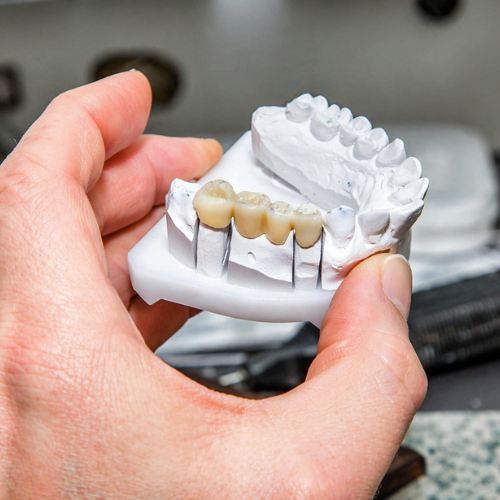
6. Older dental work: Fillings and crowns don’t last forever. When edges wear down or tiny gaps form, bacteria can slip in and cause cavities under or around old restorations.
7. Unnoticed brushing issues: Brushing too lightly leaves plaque. Brushing too hard can cause gum recession and expose root surfaces that are more cavity-prone.
If you’re cavity-prone, the goal is not perfection. The goal is reducing the number of daily acid attacks and improving the quality of cleaning in the spots that matter most.
Small changes that often make a big difference:
- Brush for a full two minutes and spend extra time on back molars.
- Floss at night so plaque doesn’t sit between teeth while you sleep.
- Don’t brush right after acidic foods. Rinse with water first and wait 30 minutes.
- Switch to a fluoride mouth rinse if recommended.
- Ask about sealants for deep grooves if appropriate.
When a cavity becomes more than a filling
Most cavities can be treated with a filling when caught early. But if tooth decay goes deep enough to reach the nerve, you may need a root canal and crown. If the tooth structure is too damaged, extraction becomes the last resort.
That’s why catching cavities early matters. Not because dentists love fillings, but because small treatment protects your time, comfort, and budget.
Signs you should not ignore:
- Sensitivity that lingers after cold or sweets.
- Pain when biting or chewing.
- A tooth that feels “different” or higher than others.
- A dark spot that is getting larger.
- Food constantly getting stuck in the same place.
- Bad taste or persistent bad breath that doesn’t improve.
Even if you don’t feel pain, a cavity can still be active. Waiting until it hurts usually means it has already progressed.
How to make a filling last longer
Dental fillings can last many years, but they’re not permanent. Their lifespan depends on the size of the filling, your bite forces, and how well the edges stay sealed.
Habits that protect dental fillings:
- Brush twice daily with fluoride toothpaste.
- Floss daily to prevent cavities between teeth and along filling edges.
- Reduce constant snacking and sugary drinks.
- Wear a night guard if you grind your teeth.
- Keep up with dental checkups so small problems are caught early.
A good filling is a strong repair. A great filling plus a solid prevention routine is how you stop the cycle of repeat cavities.
Closing thoughts
Cavities and fillings are extremely common, but they’re not something you have to accept as your “normal.” Cavities happen for reasons, and once you understand those reasons, prevention becomes much more straightforward.
If you suspect a cavity, have sensitivity, or you’re noticing repeat tooth decay, the best next step is a proper exam. At Bellflower Dental Group, we can assess what’s going on, show you what we see, and recommend the most conservative treatment that protects your teeth long-term.
Call Bellflower Dental Group today to schedule an appointment and get clarity on whether you need a filling, a preventive plan, or both.