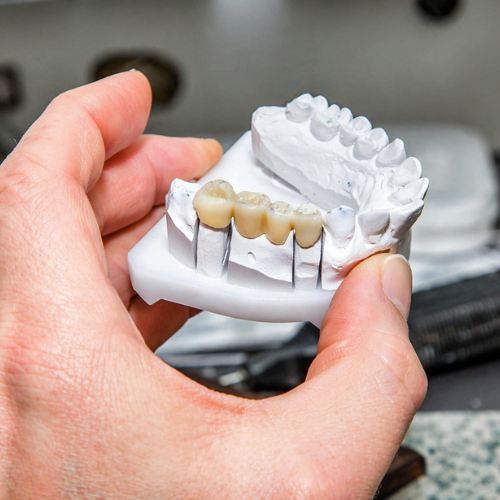
When One Missing Tooth Starts Causing More Trouble Than You Expected
Learn how a dental bridge replaces a missing tooth, who it helps, and how long it can last at Bellflower Dental Group.
Read More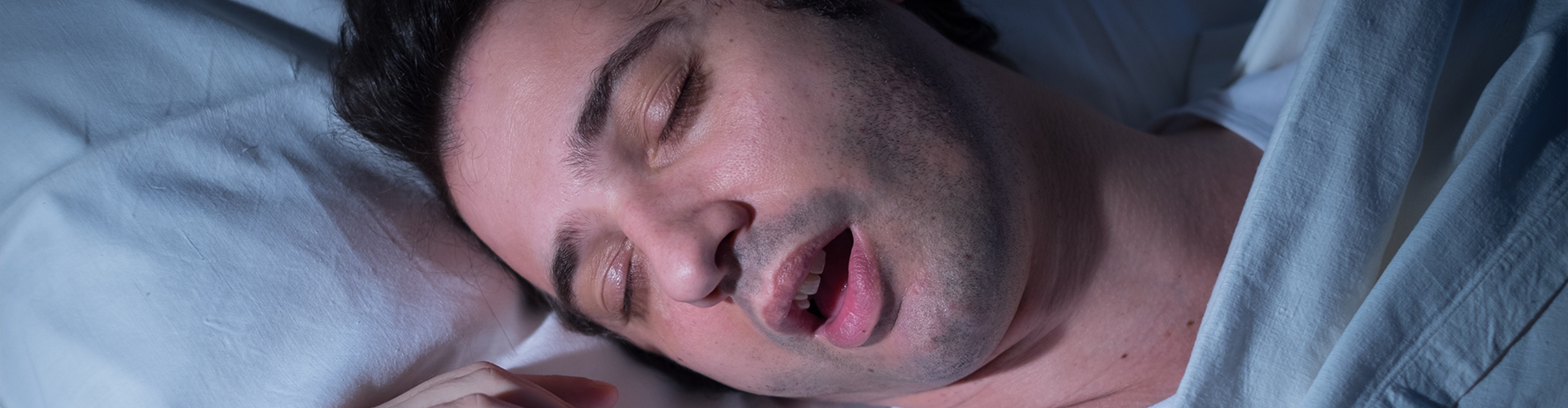
Sleep apnea is a common yet often overlooked sleep disorder, characterized by repeated disruptions in breathing during sleep. An estimated 22 million Americans suffer from sleep apnea, with the majority of cases remaining undiagnosed. This lack of awareness is a serious concern, considering that untreated sleep apnea can lead to various health complications.
Often, the first signs of sleep apnea are observed by a partner or family member who might notice loud snoring or periods where you stop breathing during sleep. However, there are other symptoms that you may notice:
If you are experiencing a combination of these symptoms, you should consider seeking a professional evaluation, even if you're not sure whether they're related to sleep apnea.
In the fight against sleep apnea, knowledge is power, and making appropriate lifestyle changes can have a transformative impact on managing your symptoms.
Alcohol and Sedatives: Many of us enjoy an evening glass of wine or beer, or we may occasionally use sedatives for their calming effects. However, these substances can be detrimental to individuals with sleep apnea. Here's why: alcohol and sedatives can cause the muscles in your throat to relax. While this may seem innocuous, it can result in a narrower airway during sleep, thereby disrupting your breathing patterns and aggravating sleep apnea symptoms.
The effect is particularly prominent when these substances are consumed before bedtime. They prolong the periods of "apnea," where breathing stops, and lower the oxygen level in your blood. Therefore, it's prudent to avoid or strictly limit alcohol and sedatives, particularly before bed. Consider replacing your nightcap with decaffeinated herbal tea or a warm milk drink to promote a better night's sleep.
Smoking: If you're a smoker with sleep apnea, you've got one more compelling reason to quit. Smoking is known to increase inflammation and fluid retention in the throat and upper airway, which can exacerbate both sleep apnea and snoring. How does it work? The smoke from tobacco irritates the lining of the airways, causing them to swell and narrow. Moreover, nicotine withdrawal during sleep can disturb your natural sleep patterns, leading to poor sleep quality.
Quitting smoking has immediate and long-term benefits, both for your overall health and your sleep apnea. You'll likely experience better sleep quality, wake up feeling more rested, and lower your risk for various health conditions, including cancer and heart disease. If you need help quitting, don't hesitate to reach out to healthcare professionals who can provide resources and support.
Obesity: Obesity, defined as a body mass index (BMI) of 30 or higher, is one of the most significant risk factors for sleep apnea. Excessive weight, particularly around the neck, can increase the likelihood of fat deposits compressing the upper airway, obstructing your breathing while you sleep. Furthermore, obesity can lead to an increased risk of other health conditions, like diabetes and heart disease, which are also closely related to sleep apnea.
Even modest weight loss can help alleviate your symptoms if you already have the condition. Incorporating healthy habits into your daily routine, such as regular physical activity and a balanced diet, can go a long way towards preventing and managing sleep apnea. This doesn't mean you need to start running marathons or completely overhaul your diet overnight.
Poor Sleep Hygiene: While not as frequently discussed, poor sleep hygiene can also contribute to the severity of sleep apnea symptoms. This includes irregular sleep hours, use of electronics before bed, an uncomfortable sleep environment, and caffeine intake close to bedtime. Improving your sleep hygiene can significantly enhance the quality of your sleep.
Establish a regular sleep schedule by going to bed and waking up at the same time every day. Avoid using electronics before bed as the blue light emitted can interfere with your body's natural sleep-wake cycle. Finally, limit caffeine intake in the hours leading up to bedtime to ensure it doesn't interfere with your ability to fall asleep.
If you suspect that you might have sleep apnea, the first step is to consult with a healthcare provider, such as a dentist or sleep specialist. They'll likely recommend a sleep study.
Sleep Study: A sleep study, also known as polysomnography, is the most definitive test for sleep apnea. It records your brain waves, heart rate, breathing, and blood oxygen levels while you sleep. The study can be done at a sleep disorder center or at home using a home sleep apnea test.
Physical Examination: Your healthcare provider may also check your mouth, nose, and throat for extra tissue or other abnormalities. Dentists are skilled in this area and can be the first line of defense in diagnosing sleep apnea.
If left untreated, sleep apnea can lead to serious health complications over time.
High Blood Pressure: Repeated wake-ups at night can stress your body and elevate your blood pressure levels, which can lead to hypertension and heart disease.
Heart Problems: The sudden drops in blood oxygen levels that occur during sleep apnea can increase blood pressure and strain the cardiovascular system, increasing your risk of heart attack and stroke.
Type 2 Diabetes: Sleep apnea can increase your risk of developing insulin resistance and type 2 diabetes.
Complications with Medications and Surgery: Sleep apnea is also a concern with certain medications and general anesthesia. People with sleep apnea might be more likely to have complications after major surgery because they're prone to breathing problems.
At our dental clinic, we have a team of trained professionals who can help identify the symptoms of sleep apnea, advice on lifestyle modifications, and guide you through the diagnosis process. Early diagnosis and treatment of sleep apnea can significantly reduce your risk of related health complications and improve your quality of life. Don't wait; schedule your consultation with us today!
Fresh news from the dental world...


Mon - Fri 9AM - 6PM
Saturday 9AM - 3PM
Sunday Closed
Check out what our patients are saying in Bellflower, CA...


“Great customer service!”
Great customer service and attentive staff! My 3 year old enjoyed his visit! Yes, I said he enjoyed it! He had to have X-rays done, and I was so worried that he wasn't gonna be a happy camper but the X-ray tech, Dominique, is so good with kids! The X-rays were fast and painless! Overall a great experience!

“Surpasses my expectations!”
Amazing staff! My experience at Bellflower Dental Group was outstanding. I highly recommend this dental group. I come to them for my braces, their ortho is incredible, the highlight of this dental group. The staff is amazing, their employees are so kind and take the time to perfect your braces.

“I love this dental office!”
I have been coming here for years. It is a one-stop-shop! You can get your x-rays, cleaning, braces, labs, dentures, toothbrushes, and more all right here. The staff is great, and they try to work with you if you need a payment plan. Never had any issues with any of the work done here!
“Great customer service!”
Great customer service and attentive staff! My 3 year old enjoyed his visit! Yes, I said he enjoyed it! He had to have X-rays done, and I was so worried that he wasn't gonna be a happy camper but the X-ray tech, Dominique, is so good with kids! The X-rays were fast and painless! Overall a great experience!
“Surpasses my expectations!”
Amazing staff! My experience at Bellflower Dental Group was outstanding. I highly recommend this dental group. I come to them for my braces, their ortho is incredible, the highlight of this dental group. The staff is amazing, their employees are so kind and take the time to perfect your braces.
Check out our accreditations, sources, and relationships in the wide world of dentistry...


Check us out and follow our Bellflower, CA practice on social media...


