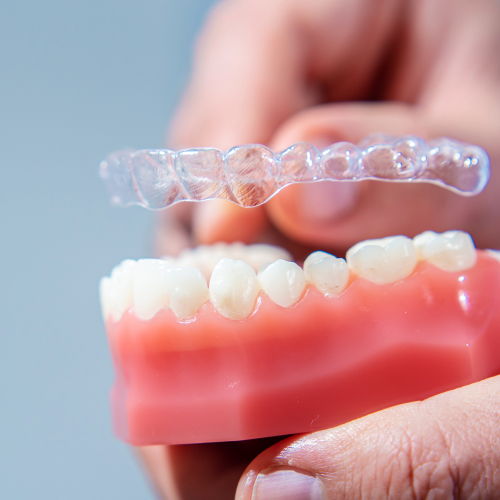
Why Your Invisalign Trays Aren't Fitting Right — and What to Do About It
Struggling with Invisalign gaps or tracking issues in Bellflower? Learn what's normal, what's not, and when refinements may help. Call us today.
Read More
When tooth pain becomes unbearable, it may be time to consider an emergency extraction. And while the mere thought of a tooth extraction might make your palms sweat, it's important to remember that the procedure is often a crucial step towards lasting relief and a healthier mouth. So, let's demystify this dental procedure and alleviate any worries you may have.
First things first, let's understand what an emergency tooth extraction is. It's a dental procedure where a dentist or oral surgeon removes a tooth from its socket in the bone. Although it sounds intimidating, it's a routine procedure for most dentists.
Emergency extractions are typically performed when a tooth is so damaged or decayed that it can't be saved. This could be due to an untreated cavity, an injury that cracks the tooth, or a severe infection that has spread to the pulp—the innermost part of the tooth. It's worth noting that extractions aren't the first line of defense. Dentists will usually try to save the tooth with treatments like fillings, crowns, or root canals. But if these aren't possible or if they've failed, an extraction may be necessary to prevent further pain or damage.
Tooth pain can range from a dull, persistent ache to a sharp, debilitating discomfort that can make eating, speaking, or even concentrating on your daily tasks difficult. While the ultimate solution is to see your dentist, there are several strategies you can use at home to help temporarily numb the pain and offer some relief.
One of the first lines of defense against tooth pain is over-the-counter pain relievers, such as ibuprofen or acetaminophen. These medications can help reduce both the pain and any associated swelling.
In addition to oral medications, topical numbing gels or ointments containing benzocaine can be a helpful tool. These can be applied directly to the affected area and work by numbing the region, offering temporary relief from the tooth pain. These are widely available over-the-counter at most pharmacies.
If your toothache is accompanied by swelling or inflammation, an ice pack could be a useful ally. Apply the ice pack externally on the cheek closest to the painful tooth. Cold temperatures can help numb the nerves, reduce swelling, and alleviate pain. To prevent skin damage, wrap the ice pack in a thin cloth before applying it to your skin, and use it in intervals of 15 minutes on, then 15 minutes off.
Rinsing your mouth with warm salt water can also provide some relief from a toothache. Salt has natural antibacterial properties and can help draw out any fluid that's causing swelling. Just dissolve half a teaspoon of salt into a glass of warm water and swish the mixture around your mouth for a few seconds before spitting it out.
Clove oil is another home remedy that has been used for centuries to numb tooth pain. It contains eugenol, a natural anesthetic and antibacterial agent. A small amount of clove oil applied to a cotton ball and dabbed onto the affected area can help to numb the pain. However, be careful not to swallow the oil, and use it sparingly as it can cause a burning sensation.
While these strategies can provide temporary relief, they are not permanent solutions. Tooth pain is often a sign of an underlying dental problem, such as a cavity, an abscess, or gum disease. Therefore, if you're experiencing tooth pain, it's essential to schedule a dental appointment as soon as possible to get to the root of the problem. Ignoring the pain can potentially lead to more serious issues, increasing the likelihood of needing more complex treatments down the line.
Tooth pain may sometimes seem to disappear on its own, which might make you think your tooth has healed itself. However, this isn't usually the case. Often, when the pain subsides, it's because the pulp of the tooth—where the nerves and blood vessels are—has died due to decay or infection. While this can temporarily relieve the pain, the infection is likely still present and can continue to spread, leading to more serious health issues.
Therefore, even if your toothache appears to have resolved itself, it's still crucial to get a dental examination. Ignoring the problem can lead to more severe consequences down the line, including the need for an emergency extraction.
A cracked tooth can cause significant pain and may potentially require an emergency extraction if not addressed promptly. If you suspect you've cracked a tooth, it's vital to visit your dentist as soon as possible. They can assess the extent of the damage and recommend the best course of action.
Depending on the severity of the crack, treatments could range from bonding (where a tooth-colored composite resin is used to repair the tooth) to a dental crown or root canal therapy. In more severe cases, an extraction may be necessary, followed by a dental implant or bridge to restore function and aesthetics.
Understanding the process can help alleviate any fears you may have about emergency extractions. Before the procedure, your dentist will numb the area with local anesthesia, ensuring you won't feel any pain during the extraction. They will then use a special tool to loosen and remove the tooth.
Recovery typically takes a few days, and there can be some discomfort as the area heals. Your dentist will provide you with post-extraction care instructions, including guidance on what to eat and drink, how to clean the area, and what signs of complications to watch out for.
Dental emergencies can be daunting, but knowing what to expect can make the process less stressful. Remember, the goal of emergency tooth extractions is to alleviate severe pain and prevent further dental issues.
If you're experiencing tooth pain or suspect you need an extraction, don't hesitate to reach out. Our team of experienced professionals is ready to guide you through the process, ensuring your comfort and providing the best possible care. Schedule a consultation today—we're here to help you transition from pain to relief.
Fresh news from the dental world...









Mon - Fri 9AM - 6PM
Saturday 9AM - 3PM
Sunday Closed
Check out what our patients are saying in Bellflower, CA...


“Great customer service!”
Great customer service and attentive staff! My 3 year old enjoyed his visit! Yes, I said he enjoyed it! He had to have X-rays done, and I was so worried that he wasn't gonna be a happy camper but the X-ray tech, Dominique, is so good with kids! The X-rays were fast and painless! Overall a great experience!

“Surpasses my expectations!”
Amazing staff! My experience at Bellflower Dental Group was outstanding. I highly recommend this dental group. I come to them for my braces, their ortho is incredible, the highlight of this dental group. The staff is amazing, their employees are so kind and take the time to perfect your braces.

“I love this dental office!”
I have been coming here for years. It is a one-stop-shop! You can get your x-rays, cleaning, braces, labs, dentures, toothbrushes, and more all right here. The staff is great, and they try to work with you if you need a payment plan. Never had any issues with any of the work done here!
“Great customer service!”
Great customer service and attentive staff! My 3 year old enjoyed his visit! Yes, I said he enjoyed it! He had to have X-rays done, and I was so worried that he wasn't gonna be a happy camper but the X-ray tech, Dominique, is so good with kids! The X-rays were fast and painless! Overall a great experience!
“Surpasses my expectations!”
Amazing staff! My experience at Bellflower Dental Group was outstanding. I highly recommend this dental group. I come to them for my braces, their ortho is incredible, the highlight of this dental group. The staff is amazing, their employees are so kind and take the time to perfect your braces.
Check out our accreditations, sources, and relationships in the wide world of dentistry...


Check us out and follow our Bellflower, CA practice on social media...


