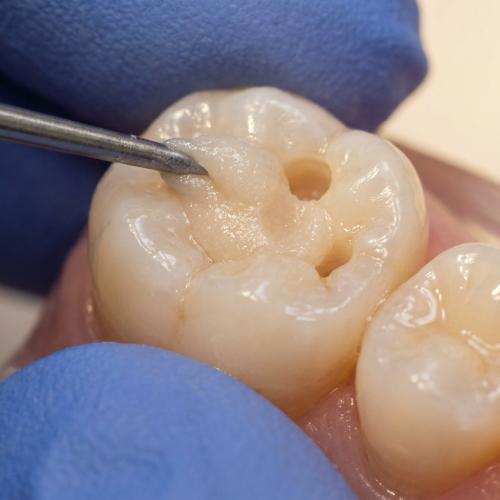
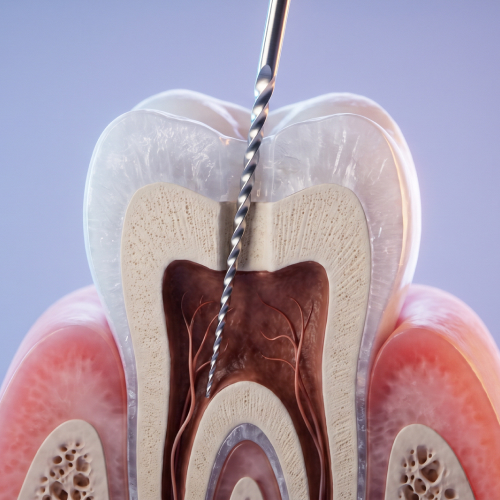
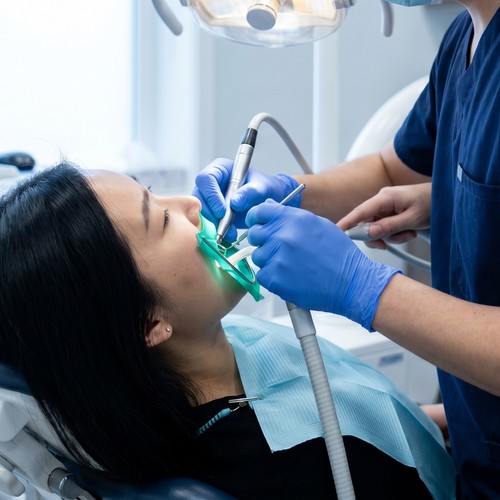
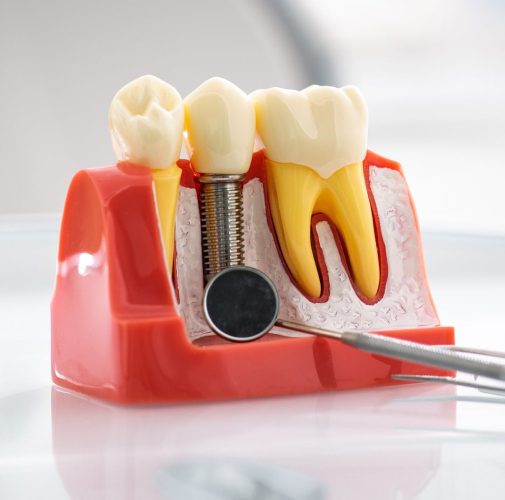
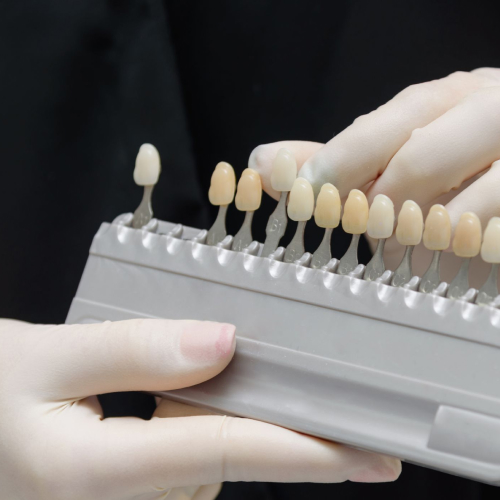
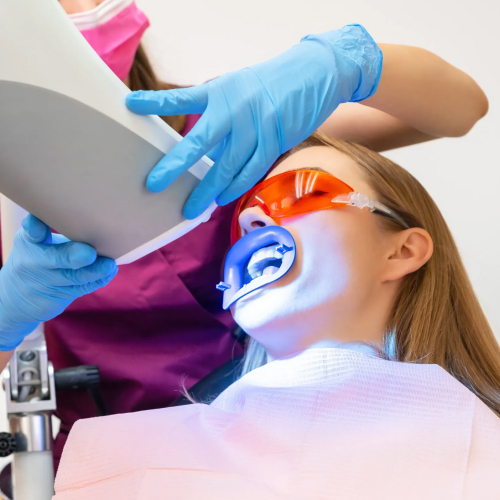
Crowns, which are used to reconstruct teeth, come in a wide variety of styles and materials. One example is the use of gold dental crowns in dentistry, which has been used for quite some time. For recovering your back teeth, gold dental crowns are the greatest option. Dental crowns are used for various purposes. Your dentist could advise you to have one if you have lost tooth structure or need root canal therapy. Other causes may include fracture, dental decay, or a big filling. You might also select one to boost the appearance of your smile.
What Are Gold Dental Crowns?
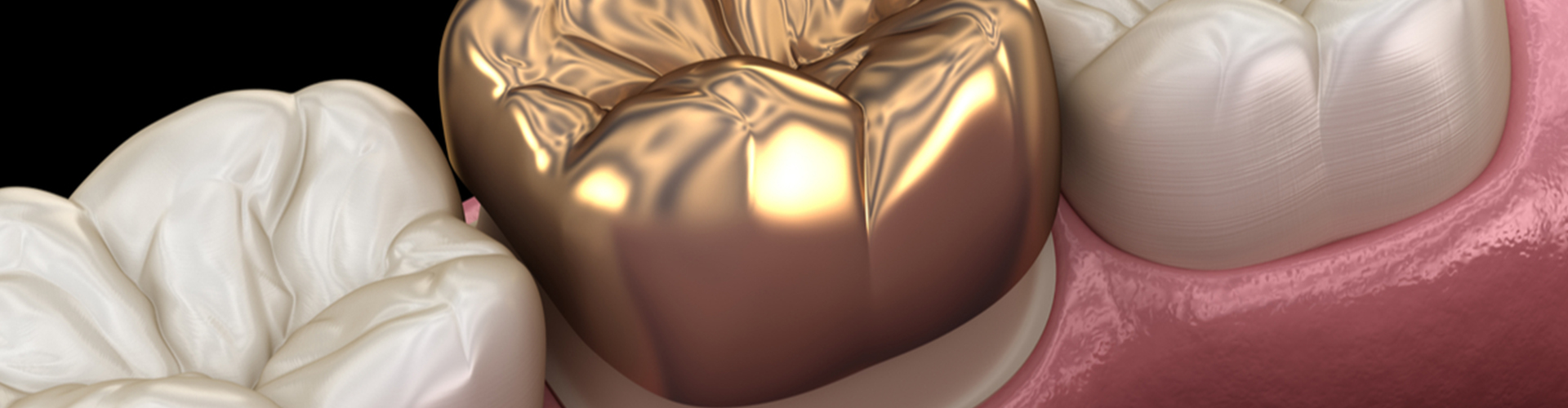
A gold dental crown is a cap made of gold placed over a tooth to restore its shape and function if it has been broken, decayed, or has had root canal therapy. Dentists also utilize gold crowns when replacing lost teeth with dental bridges or partial dentures as part of the restoration process. Crowns made of gold have been used in the dentistry business for hundreds of years. Despite their antiquity, they continue to be an option that is both resilient and long-lasting for repairing damaged teeth.
Types Of Material
Gold dental crowns are a type of metal crown. A gold crown composed entirely of gold or a gold alloy is available. A gold crown may also be a PFM, constructed of gold and porcelain. Further, three types of alloy are used for fabricating gold crowns:
-High noble alloy is a precious metal. It is made of at least 60% high noble alloy. Gold, platinum, and palladium are examples of precious metals. If a crown is made from a mixture of these alloys, at least 40% of it must be gold.
-Noble alloy is a semi-precious metal. A noble alloy comprises 25% precious metal.
-Non-noble alloy is non-precious metal. It is composed of less than 25% precious metal.
How Much Do Gold Dental Crowns Cost?
If you don't have insurance, the price of each gold crown might be over a thousand dollars. If you have insurance, your provider may pay for around half of the total cost of the treatment. Dental insurance policies cover crowns in whole or part. Still, not all of them do, but when a crown is essential to safeguard your oral health, such as when covering a root canal, a rotting or filled tooth, or a tooth that has been filled in, dental insurance frequently covers the treatment. The overall cost of the crown will vary for each individual based on their oral health, insurance coverage, kind of crown, and where they reside. The following steps comprise the full process: dental X-rays, a medical exam, making the crown, the crown application, and often at least one session for follow-up care.
Advantages Of Gold Dental Crowns
-Compared to other kinds of crowns, gold crowns have a greater success rate regarding their longevity.
-Because they do not induce any bad responses, dental crowns made of gold are excellent for their patient's oral health. They are not irritants and conform nicely to the gum line of your mouth.
-Gold has a very high level of corrosion resistance and can sustain greater pressures without cracking or chipping.
-Crowns made of gold are gentle on the teeth that surround them. Because gold has a hardness comparable to teeth, the amount of tooth wear resulting from occlusion forces is greatly reduced. Porcelain might contribute to the wear and tear on your natural teeth.
-Because it is so malleable, gold may be used to effectively seal the border of a tooth to prevent additional decay.
Disadvantages of Gold Dental Crowns
-Gold crowns aren't as attractive as porcelain and zirconia. Instead, they're employed for fashion or culture.
-Due to the high cost of gold, gold crowns are less popular nowadays. High laboratory expenses make gold alloy crowns more costly than other forms.
-A different crown may be better if you have chromium or palladium allergies. Choose porcelain or ceramic to prevent allergic reactions.
Are Gold Crowns The Best?
Because of their durability, gold crowns are the best. Gold or metal-based crowns can sustain a great deal of chewing pressure. Gold and metal crowns are particularly beneficial for patients with severe tooth wear patterns. Porcelain-fused-to-metal crowns feature metal underneath the porcelain; thus, a gorgeous outcome is possible. Finally, the gold will be worth something if they ever need to be replaced.
Are Gold Crowns Safe?
Gold crowns do not compromise one's physical well-being in any way. If they are properly crafted, they have the potential to survive even longer than crowns made of porcelain or any other material. Gold dental crowns are hardy and resistant to wear and corrosion, making them an excellent investment. Additionally, the gold has antibacterial qualities, which may aid in preventing subsequent cavities and in extending the life of the tooth.
How Long Do Gold Dental Crowns Last?
A gold crown may last a lifetime. Gold dental crowns, being pure metal, can survive for 20 to 40 years if properly cared for. However, this is also dependent on the individual's mouth. Some individuals may keep their gold crowns even longer if they brush and floss frequently and visit their dentist regularly. Crowns made of all-porcelain or porcelain fused to metal (or PFM) often endure 5 to 15 years. Metal crowns, however, may persist for 20 years or more. A gold or zirconia crown may last a lifetime.
Conclusion
There are several crown choices available for capping teeth. Gold and gold alloy crowns are strong, durable, and affordable. Gold crowns are a wonderful option for those who do not mind not having a completely white smile. Gold crowns are a beautiful repair that lasts a long time. Some individuals, however, dislike the sight of gold crowns. In these circumstances, they may choose porcelain or PFM crowns that mix in with your natural teeth. However, with new materials on the market that provide a more natural look, you may want to examine different possibilities. Consult your dentist to determine which kind of crown is best for you.