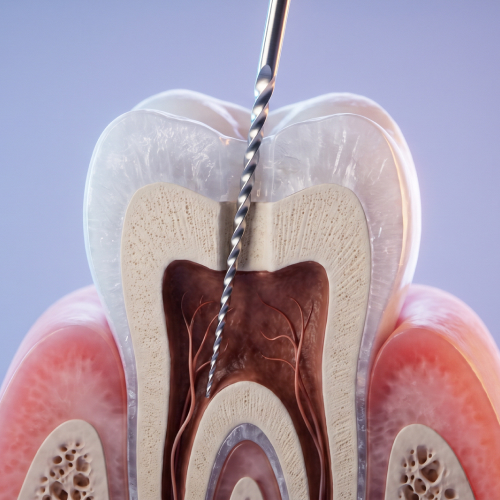
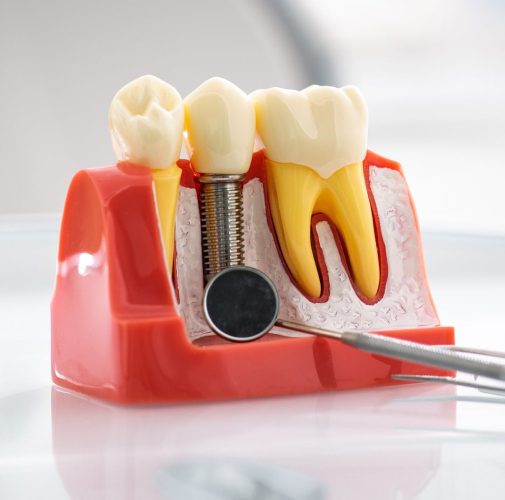
Root Canal vs. Implant vs. Bridge: What Dentists in Bellflower Actually Recommend
Deciding between a root canal vs. implant or a bridge? Learn why our Bellflower dentists recommend specific treatments for your smile. Book your visit today!
Read More
Over-the-counter whitening products can genuinely brighten your smile, but knowing which stains they treat — and understanding the 48-hour rebound effect — determines whether you get real results or just damage your enamel chasing a temporary illusion.
Before spending a dollar on strips or gels, I want you to do something most people skip entirely: figure out whether your discoloration is extrinsic or intrinsic. For Bellflower-area patients, this single distinction determines whether OTC products will work for you at all.
Extrinsic stains sit on or near the enamel surface. Coffee, red wine, tea, and tobacco are the usual culprits. These stains respond well to peroxide-based whitening because the bleaching agent can reach them. If your teeth are uniformly yellow or tan and the color appeared gradually over years of normal eating and drinking, you almost certainly have extrinsic staining. Strips and trays can help you meaningfully.
Intrinsic stains are a different story entirely. These originate inside the tooth — within the enamel itself or in the underlying dentin. As the ADA explains, intrinsic discoloration can result from tetracycline antibiotic use in childhood, excessive fluoride exposure during tooth development, trauma, or simply aging (as enamel thins and the yellower dentin beneath shows through). If your teeth have a gray, blue, or brown cast — especially if it's uneven — that's a red flag for intrinsic staining.
Here's the clinical reality: no over-the-counter strip or gel has enough peroxide concentration, or enough contact time, to meaningfully bleach intrinsic stains. Using strips aggressively on intrinsic discoloration strips surface minerals without changing the underlying color. You'd be damaging enamel for no aesthetic return. In those cases, professional options like custom trays with prescription-strength carbamide peroxide, or cosmetic solutions like porcelain veneers, are the appropriate path.
If you're unsure which type you have, that's exactly what a cleaning and exam is for.
This is something I wish more people understood before they over-treat their teeth. Immediately after using whitening strips or gel trays, your teeth look strikingly bright — sometimes dramatically so. That effect is partially real, but it's also partially a trick of chemistry.
Peroxide temporarily dehydrates enamel. Dehydrated enamel reflects light differently, appearing more opaque and whiter than it actually is. Within 24 to 48 hours, as your teeth reabsorb moisture, that initial brightness fades slightly to your actual new shade — which is still lighter than your baseline, just not as stark as it appeared right after treatment.
The problem is that most people interpret this rebound as the whitening "wearing off" and immediately reach for another strip. That cycle — whiten, rebound, whiten again — is exactly how people develop persistent sensitivity and enamel erosion. Cleveland Clinic notes that overuse of strips or gels can result in temporary sensitivity and that laboratory research suggests aggressive bleaching may cause tooth erosion.
My advice: complete a full treatment course, then wait a full 48 hours before evaluating your results. Judge your shade in natural morning light, not immediately after removing a strip. You'll likely find the results are better than the "rebound" moment suggested — and you won't have over-treated.
The honest answer is yes — with important caveats. According to Mayo Clinic, whitening methods from a dentist tend to be more effective and longer-lasting than nonprescription products, but OTC options are legitimate starting points for many people.
Whitening strips are the most clinically validated OTC option. A scoping review published by WebMD and supported by multiple clinical trials confirms that peroxide-based strips can lighten teeth by one to two shades with consistent use over 10–14 days. Toothpastes work more slowly and only address surface stains. Paint-on gels have the least supporting evidence.
One important note for my patients in Invisalign treatment: if you have attachments — those small tooth-colored composite bumps bonded to your teeth — do not whiten during active aligner therapy. The whitening gel cannot penetrate composite resin. The enamel around each attachment whitens while the tooth surface beneath it stays at its original shade. When attachments are removed at the end of treatment, you'll be left with visible "polka dots" — circular spots of original color surrounded by brighter enamel. Wait until your attachments are off before whitening.
For general sensitivity concerns, Healthline reports that tooth sensitivity affects up to 80% of people who use hydrogen peroxide products. Keeping sessions to the recommended duration — never longer — and spacing treatments appropriately reduces this significantly.
OTC products have a ceiling. If your teeth are more than two or three shades darker than you'd like, or if you have significant intrinsic staining, restorations (tooth crowns, veneers, or cavity fillings that won't bleach), or persistent sensitivity, professional whitening is the smarter investment. Custom trays with prescription-strength carbamide peroxide, or in-office treatment, can achieve results that no drugstore product can match.
The ADA recommends consulting your dentist before using any bleaching product — especially if you have sensitive teeth, dental restorations, or very dark staining. That consultation isn't a formality. It prevents you from spending money on products that won't work for your specific situation, or worse, causing damage while chasing results that aren't achievable with surface-level bleaching.
If you're unsure whether OTC whitening is right for you — or if you've tried strips and aren't seeing the results you expected — I'd welcome the conversation. At Bellflower Dental Group, our team serves patients throughout Bellflower and the broader Southeast Los Angeles area with personalized pro teeth whitening consultations. We'll identify what's actually causing your discoloration and recommend the most effective, safest path forward.
Medical disclaimer: This article is intended for general informational purposes only and does not constitute professional dental or medical advice. Always consult a licensed dental professional before beginning any whitening regimen, particularly if you have existing dental restorations, sensitivity, or underlying oral health conditions.
Fresh news from the dental world...


Mon - Fri 9AM - 6PM
Saturday 9AM - 3PM
Sunday Closed
Check out what our patients are saying in Bellflower, CA...


“Great customer service!”
Great customer service and attentive staff! My 3 year old enjoyed his visit! Yes, I said he enjoyed it! He had to have X-rays done, and I was so worried that he wasn't gonna be a happy camper but the X-ray tech, Dominique, is so good with kids! The X-rays were fast and painless! Overall a great experience!

“Surpasses my expectations!”
Amazing staff! My experience at Bellflower Dental Group was outstanding. I highly recommend this dental group. I come to them for my braces, their ortho is incredible, the highlight of this dental group. The staff is amazing, their employees are so kind and take the time to perfect your braces.

“I love this dental office!”
I have been coming here for years. It is a one-stop-shop! You can get your x-rays, cleaning, braces, labs, dentures, toothbrushes, and more all right here. The staff is great, and they try to work with you if you need a payment plan. Never had any issues with any of the work done here!
“Great customer service!”
Great customer service and attentive staff! My 3 year old enjoyed his visit! Yes, I said he enjoyed it! He had to have X-rays done, and I was so worried that he wasn't gonna be a happy camper but the X-ray tech, Dominique, is so good with kids! The X-rays were fast and painless! Overall a great experience!
“Surpasses my expectations!”
Amazing staff! My experience at Bellflower Dental Group was outstanding. I highly recommend this dental group. I come to them for my braces, their ortho is incredible, the highlight of this dental group. The staff is amazing, their employees are so kind and take the time to perfect your braces.
Check out our accreditations, sources, and relationships in the wide world of dentistry...


Check us out and follow our Bellflower, CA practice on social media...


