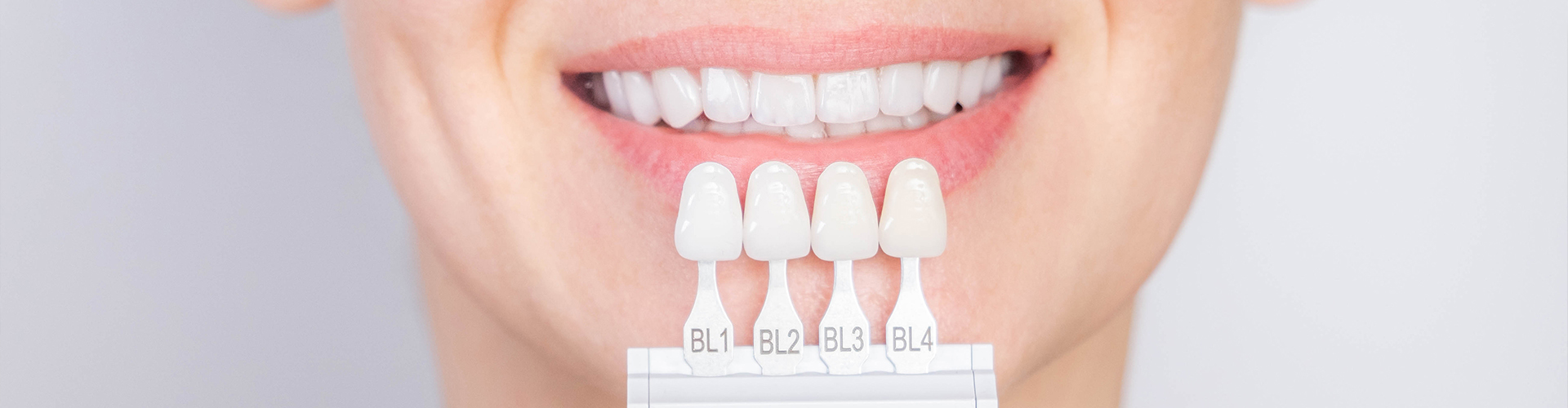
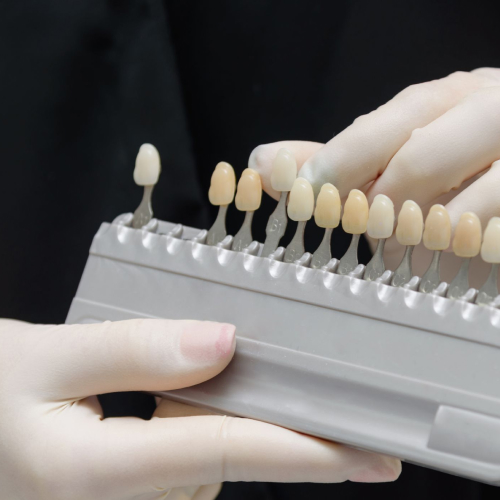
Dental veneers are an excellent solution for individuals looking to enhance their smile and boost their self-confidence. These thin, custom-made shells are designed to cover the front surface of your teeth, improving their appearance and hiding any imperfections. Veneers are typically made of porcelain or composite materials and can be an investment in both time and money. To ensure that you get the most out of your dental veneers, it's important to follow proper post-care tips to maximize their lifespan. In this blog, we'll cover everything you need to know about veneer maintenance, including how long they take to set, the best toothpaste to use, and how often they need to be replaced.
How Long Do Veneers Take To Set?
After your dentist has carefully bonded your dental veneers to your teeth, the bonding material will need some time to set before you can resume your normal activities. The process usually takes between 24 to 48 hours, depending on the type of bonding material used and the individual patient's circumstances. During this critical setting period, it's essential to follow your dentist's instructions to ensure the best possible outcome for your veneers.
During the first 24 hours, you should avoid consuming hard, crunchy, or sticky foods that could potentially dislodge the veneers. Examples of foods to avoid include apples, popcorn, nuts, and candies like caramel or taffy. Instead, opt for softer foods that require minimal chewing, such as yogurt, smoothies, or mashed potatoes.
It's also a good idea to avoid hot or cold beverages, as extreme temperatures can cause the bonding material to contract or expand, affecting the overall fit of the veneers. Steer clear of ice-cold drinks, hot coffee, or tea, and be cautious with foods that have a wide temperature range, like soups or ice cream.
Another crucial aspect to consider is to avoid putting excessive pressure on your newly bonded veneers, which may cause them to shift or come loose. Refrain from biting your nails, chewing on pens or pencils, and other similar habits that could jeopardize the integrity of your veneers.
In addition to these precautions, be mindful of your oral hygiene during the setting period. While it's important to keep your mouth clean, be gentle when brushing and flossing around the veneers to avoid disturbing the bonding material. Using a soft-bristled toothbrush and non-abrasive toothpaste can help you maintain proper oral hygiene without causing harm to your new veneers.
Following these guidelines during the setting period will help ensure that your dental veneers bond securely to your teeth, allowing you to enjoy a beautiful, long-lasting smile.
What Toothpaste is Best for Veneers?
Maintaining a proper oral hygiene routine is crucial to prolonging the life of your dental veneers. However, not all toothpaste is created equal when it comes to veneer care. To keep your veneers looking their best, opt for a non-abrasive toothpaste that's specifically formulated for dental restorations. Non-abrasive toothpaste is designed to clean your teeth gently without causing any damage to your veneers.
Some toothpaste may contain abrasive ingredients, such as silica or baking soda, which can scratch the surface of your veneers and lead to discoloration over time. Additionally, avoid using toothpaste with whitening agents, as these products can be too harsh for veneers and may cause uneven coloration.
Top Post-Care Tips
Maintain a good oral hygiene routine
Proper oral hygiene is crucial for maintaining the lifespan of your dental veneers. Be sure to brush your teeth at least twice a day with a soft-bristled toothbrush and non-abrasive toothpaste. Floss daily to remove any debris between your teeth, and use an antiseptic mouthwash to keep your breath fresh and your mouth free of bacteria.
Schedule regular dental check-ups
Regular dental check-ups are essential for keeping your veneers in good condition. Your dentist will be able to monitor the health of your teeth and gums, as well as the integrity of your veneers, to ensure they're still functioning as they should. Most dental professionals recommend scheduling a check-up every six months.
Protect your veneers from damage
To maximize the lifespan of your dental veneers, it's important to protect them from potential damage. Avoid using your teeth as tools, such as opening bottles or tearing open packages, as this can cause your veneers to chip or break. If you're prone to teeth grinding or clenching, consider wearing a custom-made mouthguard at night to protect your veneers.
Limit your consumption of stain-causing foods and beverages
Although dental veneers are stain-resistant, they can still become discolored over time, especially if you regularly consume stain-causing foods and beverages. Limit your intake of coffee, tea, red wine, and other dark-colored drinks to keep your veneers looking their best. Additionally, avoid smoking or using tobacco products, as these can also cause discoloration.
Opt for gentle dental care products
When caring for your dental veneers, it's essential to choose gentle dental care products that won't damage their surface. Opt for a soft-bristled toothbrush to prevent scratching your veneers, and use a non-abrasive toothpaste specifically designed for dental restorations. You might also want to invest in an electric toothbrush with a pressure sensor, as this can help ensure that you're not brushing too hard, which can be damaging to your veneers.
How Often Do Veneers Need To Be Replaced?
The lifespan of your dental veneers depends on various factors, including the type of material used, your oral hygiene habits, and your lifestyle choices. On average, porcelain veneers can last between 10 to 15 years, while composite veneers tend to last between 5 to 7 years. However, with proper care and maintenance, some people may be able to extend the lifespan of their veneers even further.
Keep in mind that even with the best care, dental veneers will eventually need to be replaced. When your veneers begin to show signs of wear or damage, such as chips, cracks, or discoloration, it's time to consult your dentist about getting them replaced. Regular dental check-ups can help you stay ahead of any potential issues and ensure your veneers are functioning as they should.
Conclusion
Dental veneers are a fantastic way to enhance your smile and boost your confidence. By following the top post-care tips outlined in this blog, you can maximize the lifespan of your veneers and keep them looking great for years to come. Remember to maintain a good oral hygiene routine, schedule regular dental check-ups, and protect your veneers from potential damage.
If you're considering dental veneers or think it might be time to replace your existing veneers, we encourage you to schedule a consultation with our experienced dental professionals. We'll work with you to create a personalized treatment plan to help you achieve the smile you've always wanted.