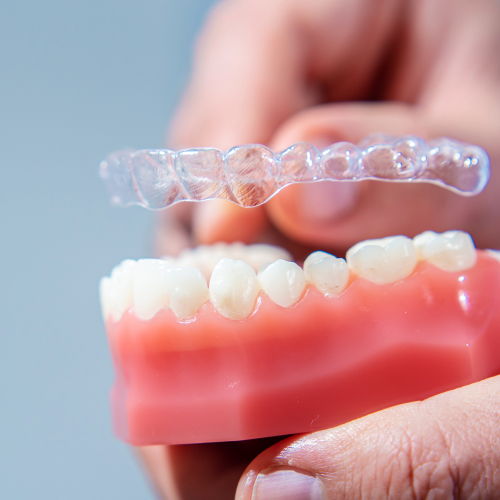
Why Your Invisalign Trays Aren't Fitting Right — and What to Do About It
Struggling with Invisalign gaps or tracking issues in Bellflower? Learn what's normal, what's not, and when refinements may help. Call us today.
Read More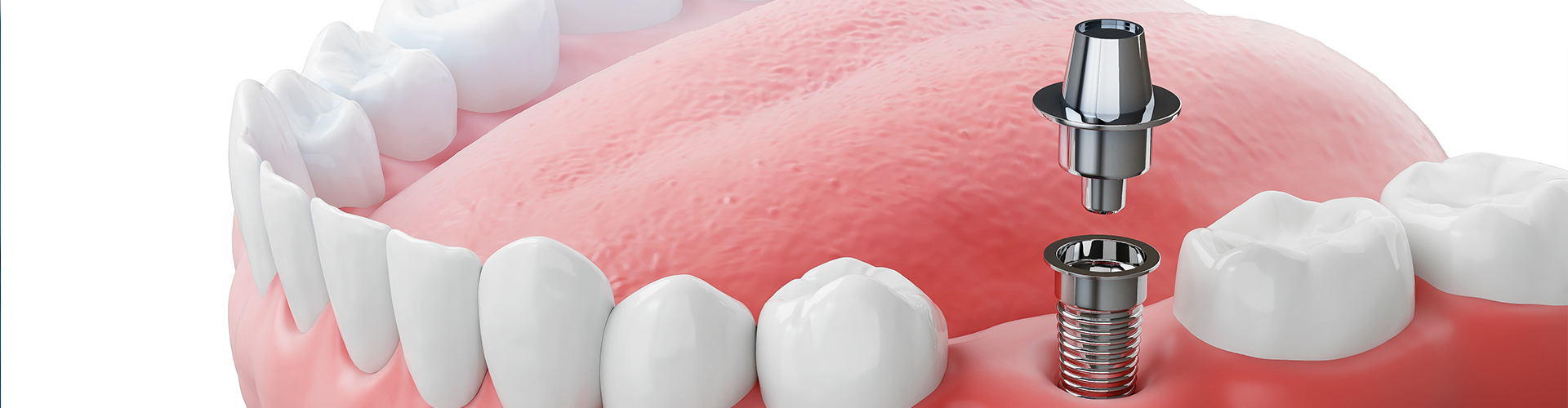
Choosing a dental implant isn’t just about replacing a tooth; it’s about restoring the confidence and comfort that come with a full, healthy smile. At Bellflower Dental Group, we understand that every patient is unique. That’s why we take a personalized approach to help you explore the implant options best suited for your needs, lifestyle, and oral health. Whether you’re missing one tooth or many, there’s a solution that can give you back your smile without compromise.
Dental implants aren’t one-size-fits-all. There are several types, and the right one for you depends on your jawbone structure, oral health history, and treatment goals.
Endosteal implants are the most common. These are shaped like small screws and placed directly into the jawbone. After healing, a crown, bridge, or denture is attached to complete the restoration. They’re reliable, long-lasting, and ideal for most patients with good bone density.
Subperiosteal implants are placed under the gum but above the jawbone. They’re often recommended when patients don’t have enough healthy bone and want to avoid bone grafting. A custom metal framework holds the replacement teeth in place.
Zygomatic implants are used when there isn’t enough bone in the upper jaw, even for grafting. These extra-long implants anchor into the cheekbone (zygoma) and are usually an option when standard implants aren’t feasible.
There are also mini dental implants, which are narrower than traditional ones and often used in cases with minimal bone or for stabilizing lower dentures. They typically require less healing time and may be an option for patients who aren’t candidates for full-size implants.
In some cases, your dentist might recommend a combination of implant types, for example, using traditional implants in one part of the mouth and mini implants in another. This flexibility allows for tailored treatment plans that address your specific anatomy and goals. Advancements in imaging and 3D technology have made it easier than ever to precisely place implants, even in challenging cases.
No matter the type, every implant is designed with one goal in mind: restoring your ability to eat, speak, and smile with confidence. Each type has its purpose. During your consultation, we’ll take detailed scans and evaluate your needs before recommending the right option.
If you’re missing most or all of your teeth, you might be weighing the difference between All-on-4 and traditional implants. Both offer life-changing benefits, but they’re not the same approach.
All-on-4 implants are a full-arch solution that replaces an entire upper or lower set of teeth using just four strategically placed implants. It’s a faster treatment path, often with fewer surgeries. The tilted placement of the back implants allows for better support and often eliminates the need for bone grafting.
This treatment is popular for patients who want a quicker, cost-effective full-smile solution. In many cases, you can walk out the same day with a new set of teeth, a process often called “teeth in a day.”
Traditional implants replace teeth one by one or in small groups using individual implants. For example, if you're missing three teeth, your dentist may place two implants to support a three-tooth bridge. While this method takes longer and may involve more procedures, it offers maximum customization and the most natural feel and function.
Another difference is in flexibility. Traditional implants allow for staggered treatment, you don’t have to replace everything at once. With All-on-4, the approach is comprehensive, often replacing a full arch in one go.
So which one is better? It depends. If you want a fast and stable option for full arch replacement, All-on-4 may be perfect. If you're replacing fewer teeth or want a more flexible approach, traditional implants might be the better fit.
One of the most common concerns we hear is, “I’ve been missing teeth for a while, can I still get implants if my bone has shrunk?” The short answer is: yes, in most cases, you can.
When you lose teeth, your jawbone begins to resorb or shrink over time. That’s because the bone no longer receives the pressure and stimulation that comes from chewing. This doesn’t automatically rule you out as a candidate, but it may require some additional steps.
Bone grafting is one of the most common solutions. It involves adding bone (from your body or a biocompatible material) to the jaw to make it strong enough to hold implants. The process adds time to your treatment plan, but it helps ensure long-term stability and success.
If bone grafting isn’t ideal, we may explore alternatives like:
Advanced imaging and 3D scanning help us determine exactly how much bone you have and where it’s strongest. At Bellflower Dental Group, we use this information to create precise treatment plans that make the most of what you’ve got and add support where needed.
So if you’ve been told in the past that you can’t get implants because of bone loss, don’t count yourself out just yet. There are more options than ever before, and chances are we can find a solution that works for you.
You don’t need to live with missing teeth or uncomfortable dentures. Dental implants can restore more than just your smile, they can bring back confidence, stability, and ease in everyday life. Whether you’re looking at a single implant or a full-arch solution like All-on-4, we’re here to walk you through every option with care and expertise.
Ready to explore what’s possible? Book a consultation with Bellflower Dental Group today. Let’s talk through your goals and build a plan that gets you smiling again for good.
Fresh news from the dental world...







Mon - Fri 9AM - 6PM
Saturday 9AM - 3PM
Sunday Closed
Check out what our patients are saying in Bellflower, CA...


“Great customer service!”
Great customer service and attentive staff! My 3 year old enjoyed his visit! Yes, I said he enjoyed it! He had to have X-rays done, and I was so worried that he wasn't gonna be a happy camper but the X-ray tech, Dominique, is so good with kids! The X-rays were fast and painless! Overall a great experience!

“Surpasses my expectations!”
Amazing staff! My experience at Bellflower Dental Group was outstanding. I highly recommend this dental group. I come to them for my braces, their ortho is incredible, the highlight of this dental group. The staff is amazing, their employees are so kind and take the time to perfect your braces.

“I love this dental office!”
I have been coming here for years. It is a one-stop-shop! You can get your x-rays, cleaning, braces, labs, dentures, toothbrushes, and more all right here. The staff is great, and they try to work with you if you need a payment plan. Never had any issues with any of the work done here!
“Great customer service!”
Great customer service and attentive staff! My 3 year old enjoyed his visit! Yes, I said he enjoyed it! He had to have X-rays done, and I was so worried that he wasn't gonna be a happy camper but the X-ray tech, Dominique, is so good with kids! The X-rays were fast and painless! Overall a great experience!
“Surpasses my expectations!”
Amazing staff! My experience at Bellflower Dental Group was outstanding. I highly recommend this dental group. I come to them for my braces, their ortho is incredible, the highlight of this dental group. The staff is amazing, their employees are so kind and take the time to perfect your braces.
Check out our accreditations, sources, and relationships in the wide world of dentistry...


Check us out and follow our Bellflower, CA practice on social media...


