How Long Does Professional Teeth Whitening Actually Take to Work?
Bellflower patients: how long professional teeth whitening actually takes to work, why results vary by patient, and when you'll see shade changes. Book today.
Read More
In the quest for that dazzling Hollywood smile, teeth whitening has become a popular topic. But with popularity comes myths and misconceptions. As a leading dental office, we're here to guide you through the facts and fiction of teeth whitening, ensuring you make informed decisions about your dental health.
Baking soda, or sodium bicarbonate, has been a go-to home remedy for teeth whitening for many years. Many swear by its effectiveness, but what does science say? As a mild abrasive, baking soda can indeed remove some surface stains on your teeth. These stains are often from common culprits like coffee, tea, and red wine. When you brush with a paste made of baking soda and water, you might notice a slight improvement in the brightness of your teeth.
The Limitations and Risks
However, it's crucial to understand the limitations and potential risks. Unlike professional whitening agents, baking soda does not contain any bleaching properties. This means that it can only work on surface stains and cannot change the inherent color of your teeth. Furthermore, its abrasive nature, while useful in removing stains, can also be a double-edged sword. Excessive or harsh use of baking soda can lead to enamel erosion over time, causing more harm than good to your dental health. This erosion not only weakens your teeth but can also make them more susceptible to staining – a counterproductive outcome for those seeking whiter teeth.
Professional Advice
For safe and occasional use, a paste made from a mixture of baking soda and water can serve as a mild whitening agent. It's important to use it gently and not more than once or twice a week. However, for those looking for more noticeable and lasting results, professional whitening treatments are the recommended route. These treatments, available at dental offices, are specifically formulated to safely and effectively whiten teeth. They can address deeper stains and discolorations that baking soda simply cannot reach.
In summary, while baking soda can help with minor surface stains, it falls short of providing the significant whitening results many desire. It's always best to consult with dental professionals to explore the most suitable and safe options for your teeth whitening needs.
There's a widespread belief that whitening toothpaste can replace professional teeth whitening treatments. The truth is, while whitening toothpastes are effective at removing surface stains, they cannot change the natural color of your teeth. These toothpastes typically contain mild abrasives and chemicals that work on surface-level stains caused by food, drinks, or smoking.
The Limitations
However, the concentration of bleaching agents in these toothpastes is much lower than what you would find in professional treatments. This means they are less effective at dealing with deeper, intrinsic stains that affect the dentin, the layer beneath your enamel.
Professional Insight
For those looking for a significant change in their tooth color, professional treatments are the way to go. These treatments can address deeper stains and offer a more uniform and long-lasting result. Whitening toothpaste can be a great supplemental tool for maintaining a bright smile after professional treatment, but it should not be seen as a substitute.
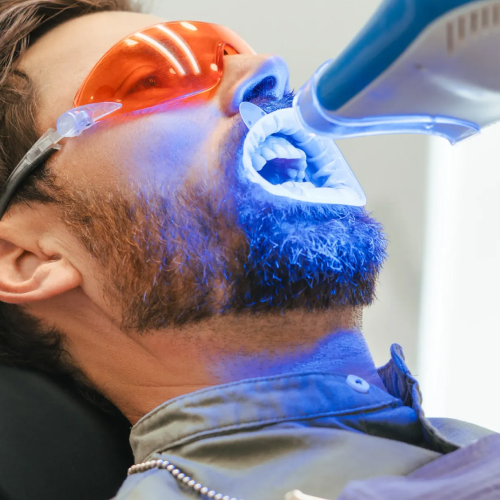
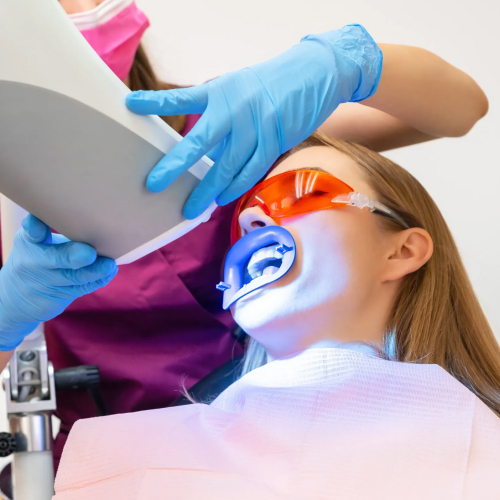
UV light-based teeth whitening has gained popularity, especially as a feature in many over-the-counter whitening kits. The concept is that UV light, used in conjunction with a whitening agent, speeds up the whitening process and enhances the results. But how effective and safe is this method?
The Science Behind UV Light Whitening
The theory behind UV light teeth whitening is that when used with a whitening gel, the light accelerates the chemical reaction, leading to faster and more noticeable results. In some professional dental settings, a form of light-activated bleaching is used under controlled conditions. However, the effectiveness of UV light in speeding up the whitening process is a subject of debate among dental professionals. Some studies show marginal benefits, while others suggest the difference is not significant.
Safety Concerns
More importantly, safety is a major concern with the use of UV light, particularly in non-professional settings. Prolonged or improper exposure to UV light can lead to gum irritation, increased tooth sensitivity, and even damage to your lips and oral tissues. The American Dental Association (ADA) notes that certain light-activated whitening methods may increase the risk of tooth sensitivity and are best performed under the supervision of a dental professional.
Professional Perspective
From a professional standpoint, the safest and most effective teeth whitening treatments are those conducted in a dental office. These treatments are tailored to the individual, taking into account their dental history, sensitivity levels, and specific needs. While UV light may offer some benefits in a controlled environment, its risks, especially in at-home kits, often outweigh the potential advantages.
While UV light teeth whitening might seem like a quick and effective solution, it's essential to consider the potential risks and consult with dental professionals. They can provide guidance on safer, more reliable, and effective whitening options that protect your oral health while brightening your smile.
It sounds counterintuitive, but some people notice their teeth appearing more yellow after a whitening treatment. This phenomenon often occurs due to dehydration of the teeth during the bleaching process. When teeth are dehydrated, they can temporarily appear duller or more yellow. Rest assured, this effect is usually short-lived.
Post-Whitening Care
To combat this, ensure you stay hydrated and follow all after-care instructions provided by your dental professional. The true color often reveals itself a few days post-treatment.
Ever wondered how celebrities attain those picture-perfect white teeth? The secret often lies in professional dental treatments. Celebrities commonly use options like professional bleaching, veneers, and regular dental cleanings to maintain their bright smiles.
Customized Treatments
Each celebrity's dental treatment is tailored to their specific needs. Professional bleaching is a popular choice, offering a significant whitening effect that over-the-counter products can't match. Veneers, though more invasive, provide a permanent solution for a flawless smile.
Achieving Your Dream Smile
While home remedies like baking soda can offer mild improvements, professional treatments are the key to achieving that dream celebrity smile. Remember, every smile is unique, so what works for one person may not work for another. Consult with our dental professionals to find the best teeth whitening solution for you.
Schedule your appointment today and take the first step towards a brighter, more confident smile. Our expert team is ready to provide personalized care and effective teeth whitening solutions. Let's debunk those myths and turn your dream smile into a reality.
Call us or book online to transform your smile with professional teeth whitening!
Fresh news from the dental world...


Mon - Fri 9AM - 6PM
Saturday 9AM - 3PM
Sunday Closed
Check out what our patients are saying in Bellflower, CA...


“Great customer service!”
Great customer service and attentive staff! My 3 year old enjoyed his visit! Yes, I said he enjoyed it! He had to have X-rays done, and I was so worried that he wasn't gonna be a happy camper but the X-ray tech, Dominique, is so good with kids! The X-rays were fast and painless! Overall a great experience!

“Surpasses my expectations!”
Amazing staff! My experience at Bellflower Dental Group was outstanding. I highly recommend this dental group. I come to them for my braces, their ortho is incredible, the highlight of this dental group. The staff is amazing, their employees are so kind and take the time to perfect your braces.

“I love this dental office!”
I have been coming here for years. It is a one-stop-shop! You can get your x-rays, cleaning, braces, labs, dentures, toothbrushes, and more all right here. The staff is great, and they try to work with you if you need a payment plan. Never had any issues with any of the work done here!
“Great customer service!”
Great customer service and attentive staff! My 3 year old enjoyed his visit! Yes, I said he enjoyed it! He had to have X-rays done, and I was so worried that he wasn't gonna be a happy camper but the X-ray tech, Dominique, is so good with kids! The X-rays were fast and painless! Overall a great experience!
“Surpasses my expectations!”
Amazing staff! My experience at Bellflower Dental Group was outstanding. I highly recommend this dental group. I come to them for my braces, their ortho is incredible, the highlight of this dental group. The staff is amazing, their employees are so kind and take the time to perfect your braces.
Check out our accreditations, sources, and relationships in the wide world of dentistry...


Check us out and follow our Bellflower, CA practice on social media...


