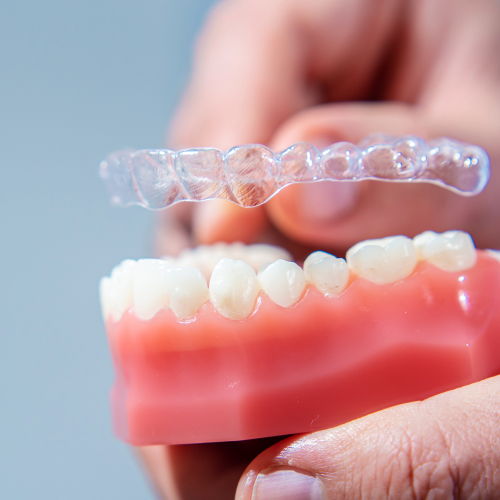
Why Your Invisalign Trays Aren't Fitting Right — and What to Do About It
Struggling with Invisalign gaps or tracking issues in Bellflower? Learn what's normal, what's not, and when refinements may help. Call us today.
Read More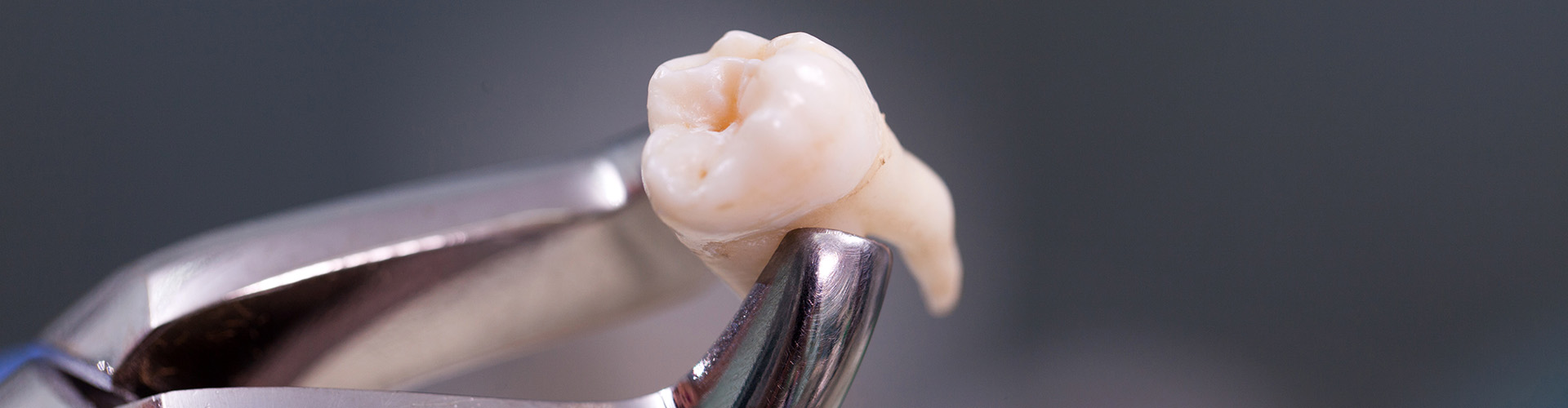
Tooth extraction is often viewed as a last resort in dental care, but there are several circumstances where it becomes necessary for maintaining oral health. While the idea of losing a tooth might seem daunting, understanding the reasons and knowing the available alternatives can make the decision easier and less stressful. In this blog, we'll explore when tooth removal is necessary, the implications of not replacing a tooth, and the alternatives to dental implants that modern dentistry offers.
Tooth extraction is recommended in various situations, primarily to prevent further complications or to resolve existing dental issues. It's often considered a preventive measure that can avoid more severe health problems in the future. Here are some common reasons why a tooth might need to be removed:
Understanding the specific circumstances under which a tooth should be removed can alleviate anxiety and prepare you for discussions with your dentist about the best course of action for your oral health. Regular check-ups and imaging can help catch potential problems early, often leading to simpler, less invasive treatments that can preserve your natural teeth for longer.
Choosing not to replace a missing tooth can lead to several dental and oral health issues over time. Here are some consequences of not replacing a lost tooth:
Replacing a missing tooth is crucial not just for cosmetic reasons, but for overall dental health and functionality.
While dental implants are a popular solution for replacing missing teeth, they are not the only option. Depending on your specific needs and circumstances, your dentist might suggest one of the following alternatives, each with its own set of advantages and considerations:
Discussing these options with your dentist will help determine the most suitable choice based on your dental health, budget, and lifestyle needs. Each alternative offers different benefits, such as cost savings, ease of maintenance, or a less invasive procedure, which could influence your decision based on your personal priorities and oral health condition.
Understanding when tooth extraction is necessary, the risks of not replacing a missing tooth, and knowing the alternatives to dental implants are all crucial aspects of managing your oral health. If you're facing any dental issues or just need a routine check-up, don't hesitate to contact our office. Our team is ready to provide you with the best care and guide you through your options to ensure your smile is both healthy and beautiful. Schedule your appointment today and take a proactive step towards a healthier smile!
Fresh news from the dental world...







Mon - Fri 9AM - 6PM
Saturday 9AM - 3PM
Sunday Closed
Check out what our patients are saying in Bellflower, CA...


“Great customer service!”
Great customer service and attentive staff! My 3 year old enjoyed his visit! Yes, I said he enjoyed it! He had to have X-rays done, and I was so worried that he wasn't gonna be a happy camper but the X-ray tech, Dominique, is so good with kids! The X-rays were fast and painless! Overall a great experience!

“Surpasses my expectations!”
Amazing staff! My experience at Bellflower Dental Group was outstanding. I highly recommend this dental group. I come to them for my braces, their ortho is incredible, the highlight of this dental group. The staff is amazing, their employees are so kind and take the time to perfect your braces.

“I love this dental office!”
I have been coming here for years. It is a one-stop-shop! You can get your x-rays, cleaning, braces, labs, dentures, toothbrushes, and more all right here. The staff is great, and they try to work with you if you need a payment plan. Never had any issues with any of the work done here!
“Great customer service!”
Great customer service and attentive staff! My 3 year old enjoyed his visit! Yes, I said he enjoyed it! He had to have X-rays done, and I was so worried that he wasn't gonna be a happy camper but the X-ray tech, Dominique, is so good with kids! The X-rays were fast and painless! Overall a great experience!
“Surpasses my expectations!”
Amazing staff! My experience at Bellflower Dental Group was outstanding. I highly recommend this dental group. I come to them for my braces, their ortho is incredible, the highlight of this dental group. The staff is amazing, their employees are so kind and take the time to perfect your braces.
Check out our accreditations, sources, and relationships in the wide world of dentistry...


Check us out and follow our Bellflower, CA practice on social media...


