Losing a tooth, or several, can feel like more than just a dental issue. It affects how you eat, how you speak, and sometimes even how you see yourself in the mirror. If you’ve been exploring tooth replacement options, you’ve probably come across the two most common ones: dentures and dental implants.
While both can restore your smile, they’re two very different experiences. So how do you know which one is right for you?
Let’s walk through the differences in a way that actually makes sense, without the pressure or technical overload. Whether you’re trying to decide for yourself or helping a loved one figure it out, this blog is here to help you weigh your options.
What is the difference between dentures and dental implants?
Let’s start at the foundation, literally.
Dentures are removable prosthetic appliances. They’re typically made of acrylic and are shaped to sit comfortably on your gums. You can get a full set (if all your teeth are missing) or a partial one (if you still have some healthy teeth). They’re held in place through suction, clips, or sometimes a mild adhesive, depending on the type.
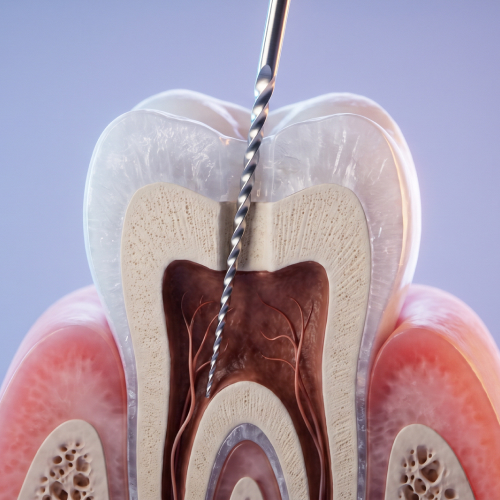
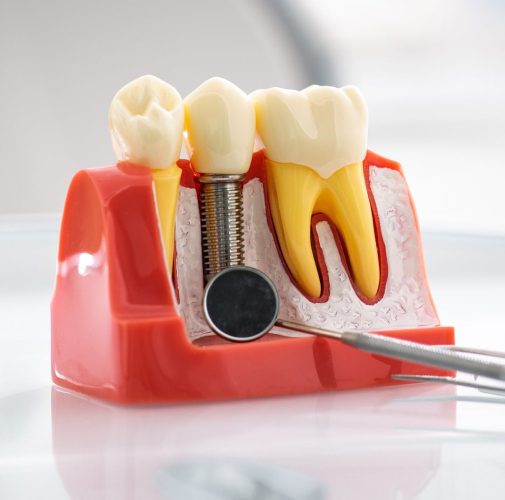
Dental implants take a completely different approach. Instead of resting on your gums, implants are anchored into your jawbone using a small titanium post. Over time, the bone fuses with the post, creating a strong, stable base. A crown (a custom-made artificial tooth) is then placed on top, completing the look and function of a natural tooth.
You can think of dentures as surface-level replacements. They sit on top of the gums. Implants, however, become part of your bone structure, like a rebuilt root.
And that difference changes everything, from how each option feels to how long it lasts.
With dentures, your gums and surrounding facial muscles do all the heavy lifting. Over time, especially if your jawbone begins to shrink (which it can after tooth loss), you might notice changes in how your dentures fit. Some people need to have them adjusted, relined, or replaced altogether after a few years.
Implants, on the other hand, actually help preserve your jawbone by stimulating it just like natural tooth roots do. This means less facial sagging over time, more stability, and fewer long-term changes in how your mouth feels.
Another important point: dentures come in and out. You take them out at night to clean them and soak them. Implants are permanent. Once they’re in and healed, they’re there for good, and they don’t come out unless your dentist removes them.
Which one feels more natural when eating and speaking between dental implants and dentures?
This is one of the most common concerns people have, and for good reason.
Let’s face it, you don’t just want to fill a gap in your smile. You want to be able to enjoy food, laugh freely, and have conversations without feeling self-conscious. So which option gives you that?
Dental implants usually win in this area.
Because they’re fixed in your jaw, implants behave much like your original teeth. You can bite into crisp apples, chew steak, and even tackle sticky foods without worrying about things slipping out of place. There’s no clicking, no adhesive, and no extra steps during your day. You brush and floss like usual. You talk like usual. Life just... goes back to normal.
Most patients who’ve had both experiences say implants feel more like having their real teeth back. There’s a confidence that comes with knowing your replacement tooth isn’t going anywhere.
With dentures, there’s a bit more of a learning curve. When you first get them, it can take time to adjust your speech, especially with upper dentures that cover part of your palate. Eating may also feel different, and you might avoid certain foods at first. Sticky or hard foods can be a challenge. Some patients describe feeling like their dentures are bulky, especially early on.
That said, many people do adapt. A well-made, properly fitting denture can still be comfortable and allow you to eat and speak fairly normally. But it does require more patience and a willingness to tweak things along the way.
And one more thing, taste. Dentures that cover the roof of the mouth can dull your sense of taste a bit. Implants don’t interfere with your taste buds at all.
So if you’re someone who values ease, simplicity, and the feeling of "real" teeth, implants tend to offer a more seamless return to normal life.
How long do implants and dentures last?
When it comes to replacing teeth, you’re not just thinking about today. You’re thinking long-term. You want to know you’re making a choice that will last, not just physically, but financially and emotionally too.
Let’s talk lifespan.
Dental implants are built to last. The titanium post that’s inserted into your jaw can last a lifetime with proper care. That’s not just wishful thinking, many patients keep their implants for 20, 30, even 40 years. The crown on top (the visible part of the implant) may need to be replaced after 10 to 15 years, but that’s mainly due to regular wear and tear.
And because implants help maintain the health of your jawbone, they prevent further complications that could lead to additional tooth loss or facial changes.
Dentures, while more affordable upfront, typically last about 5 to 8 years. Sometimes longer if you’re lucky and take great care of them. But even the best dentures eventually need replacement, not necessarily because they’re worn out, but because your mouth changes over time.
As your gums and jawbone shift (which naturally happens without stimulation from tooth roots), your dentures can start to feel loose or uncomfortable. You may need relining to improve the fit, or you may need a completely new set.
There’s also the ongoing maintenance to think about. Dentures need to be cleaned and soaked daily. You’ll need to check for wear, make sure they don’t develop cracks, and always store them safely.
With implants, it’s more of a “set it and forget it” situation, assuming you maintain good oral hygiene and visit your dentist regularly.
So in the long run, implants might have a higher upfront cost, but they often turn out to be the more economical and hassle-free option over time.
Other things worth considering
Beyond the basics, there are a few lifestyle and health factors that could help you make your decision.
Healing time and treatment process:
Implants require a multi-step process. First, your dentist places the implant into your jaw. Then you’ll wait a few months as it heals and fuses with the bone. After that, the crown is placed. It’s not a quick fix, but it’s a long-term one.
Dentures can usually be made and fitted more quickly. If time is a major factor for you, that could matter.
Bone and gum health:
Not everyone is a candidate for implants right away. If your jawbone has already begun to deteriorate, you may need a bone graft before the implant can be placed. That adds time and cost, but it’s often worth it for the long-term benefits.
Comfort and lifestyle:
Are you someone who travels often? Leads an active lifestyle? Just wants as little maintenance as possible? Implants can offer more convenience, since you don’t need to remove them, clean them separately, or deal with adhesives.
Budget and insurance:
Dentures are generally more affordable at the start and may be partially covered by insurance. Implants are an investment, and not all insurance plans cover them. But over time, the need for fewer replacements and adjustments may balance out the initial cost.
Looks:
Let’s not forget about aesthetics. Both dentures and implants can look great, especially when customized to your smile. But implants tend to look and feel more natural in the way they sit in your mouth. There’s no extra acrylic base or metal clasp. Just a crown that matches the rest of your teeth.
Still unsure? That’s okay
Choosing between implants and dentures isn’t always an obvious decision. There are medical factors, financial factors, and even emotional ones. The best choice is the one that fits your life, your smile, and your peace of mind.
At Bellflower Dental Group, we’ve helped countless patients navigate this exact decision. Our team takes the time to understand your goals, assess your oral health, and walk you through your options without pressure.
Whether you’re leaning toward a permanent implant solution or considering dentures that fit your lifestyle today, we’ll help you make a choice that feels good, and feels right.
Let’s talk it through together. Schedule your appointment today and start your journey toward a confident, comfortable smile.