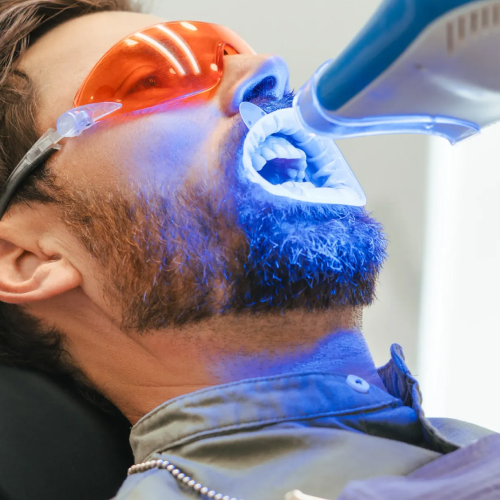
How Long Does Professional Teeth Whitening Actually Take to Work?
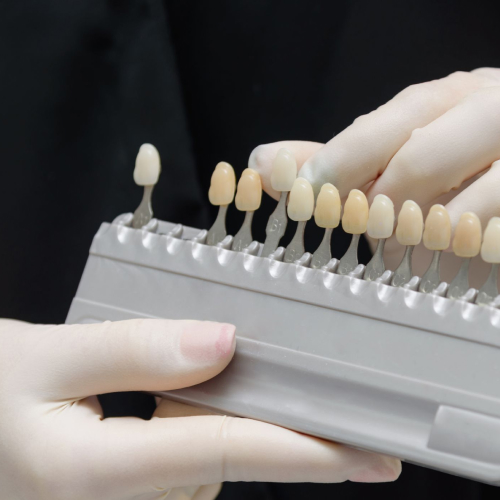
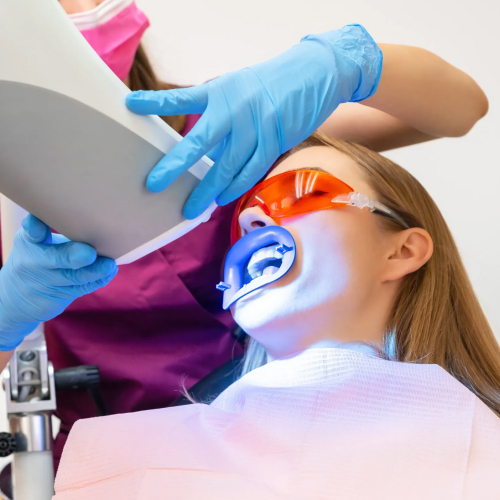
Bellflower patients: how long professional teeth whitening actually takes to work, why results vary by patient, and when you'll see shade changes. Book today.
Read More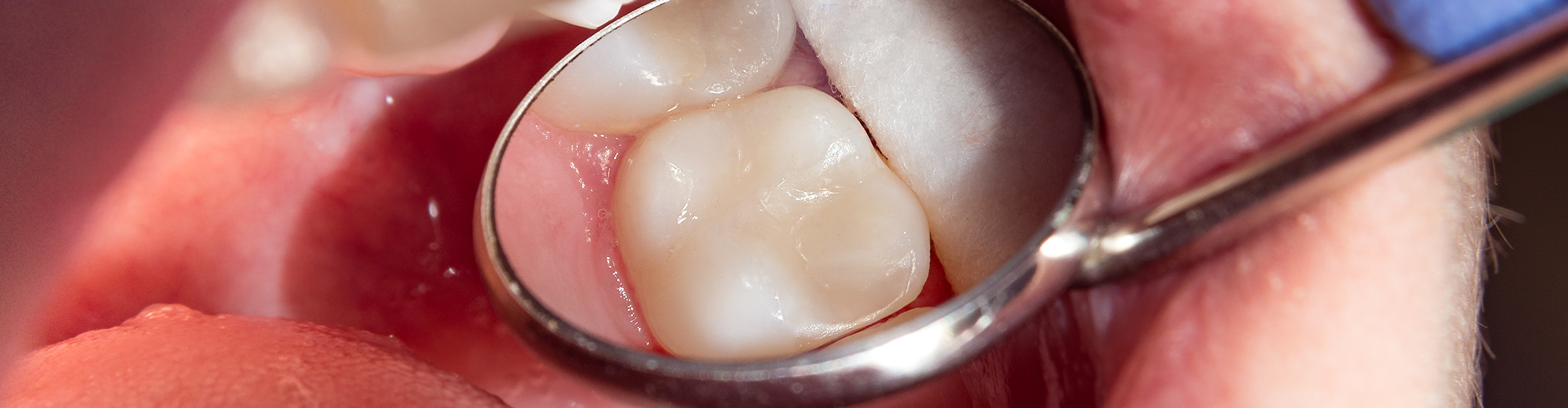
Exploring the common yet often misunderstood topic of cavities and fillings, this blog aims to bring clarity and ease to what might seem like a complex subject. Whether you're dealing with your first cavity, curious about how to prevent them, or just want to know more about dental care, we've got you covered. Through simple explanations and expert insights, we'll guide you through everything from the basics of cavity formation to what really happens during a filling procedure. Join us as we demystify dental health and provide you with the knowledge to keep your smile bright and healthy.
Cavities, also known as dental caries, are a common dental issue. But what's considered "normal" when it comes to cavities? The truth is, there's no standard number that applies to everyone. Factors like diet, oral hygiene, genetics, and lifestyle play a significant role in cavity development.
Individual Variability: Some people might never get a cavity, while others may have a few throughout their lives. Regular dental check-ups are crucial in identifying cavities early and addressing them promptly.
Prevention Over Cure: The key to managing cavities is prevention. Good oral hygiene practices, such as regular brushing and flossing, along with a balanced diet, can significantly reduce the risk of developing cavities.
One of the most prevalent questions in dental health is whether everyone is bound to suffer from cavities at some stage in their lives. Contrary to popular belief, the inevitability of cavities is not a foregone conclusion. While it's true that cavities are a widespread dental issue, affecting a significant portion of the population at some point, not everyone will experience them.
Several factors play a role in the development of cavities, also known as dental caries. Understanding these can help demystify why some people seem more prone to cavities than others.
Genetics: Just as with many health conditions, genetics can influence dental health. Some individuals may be more susceptible to cavities due to the natural composition and resilience of their enamel, the protective outer layer of the teeth. Additionally, genetic factors can affect saliva composition, which plays a crucial role in neutralizing acids in the mouth and remineralizing teeth.
Oral Hygiene Habits: Perhaps the most controllable factor, oral hygiene, significantly impacts cavity formation. Regular and effective brushing and flossing help remove plaque, a sticky film of bacteria that forms on teeth. Plaque produces acids that erode tooth enamel and can lead to cavities. Neglecting oral hygiene can accelerate this process.
Diet and Lifestyle Choices: The foods and beverages we consume directly affect our dental health. Diets high in sugary and acidic foods and drinks are more likely to contribute to cavity development. Sticky, sugary foods, for instance, cling to teeth and provide a food source for bacteria, leading to acid production. Conversely, a diet rich in fruits, vegetables, and water can help maintain a healthy pH balance in the mouth.
Access to Dental Care: Regular dental check-ups play a pivotal role in preventing cavities. Professional cleanings remove plaque and tartar build-up that can't be eliminated by brushing alone. Moreover, dentists can spot early signs of decay and address them before they evolve into full-blown cavities.
Fluoride Exposure: Fluoride, a mineral found in many toothpastes and in some community water supplies, is known to strengthen enamel and make teeth more resistant to decay. Lack of fluoride can increase the risk of cavities, especially in communities without fluoridated water.
Other Health Conditions: Certain medical conditions and medications can also influence oral health. For instance, conditions that reduce saliva flow, such as Sjögren's syndrome, can increase cavity risk. Some medications also have side effects that can affect oral health, like dry mouth, which reduces saliva's natural cleansing effects.
Preventive Measures and Regular Dental Care
While genetics and certain health conditions are beyond our control, we can significantly influence other factors. Maintaining good oral hygiene, making wise dietary choices, and ensuring regular dental check-ups are within our power. These preventive measures not only reduce the likelihood of developing cavities but also contribute to overall oral health and wellbeing.
While cavities are common, they are not an inevitable part of life. By understanding the factors that contribute to their development and taking proactive steps in oral care, individuals can significantly reduce their risk of experiencing dental caries. Regular dental visits are crucial in this endeavor, providing professional care and guidance to maintain optimal dental health.
When it comes to cavities, size matters. Small cavities are easier to treat and have a better prognosis than larger ones. Neglecting small cavities can lead to more significant dental issues in the future.
Timely Intervention: Our dental clinic emphasizes the importance of treating cavities, regardless of their size, to prevent further decay and complications. Early intervention is key to maintaining oral health and avoiding more invasive procedures.
Addressing cavities that form between teeth, known as interproximal cavities, presents unique challenges and requires precise and skilled dental intervention. These cavities, often undetectable to the naked eye, can develop in the tight spaces between teeth and are typically identified through dental x-rays. At our clinic, we employ advanced techniques and state-of-the-art technology to effectively treat these hidden threats to your oral health.
Interproximal cavities form when plaque accumulates between teeth, a spot that's harder to clean with regular brushing. These cavities can progress rapidly if left undetected and untreated, leading to more significant dental issues, including tooth decay and potentially gum disease.
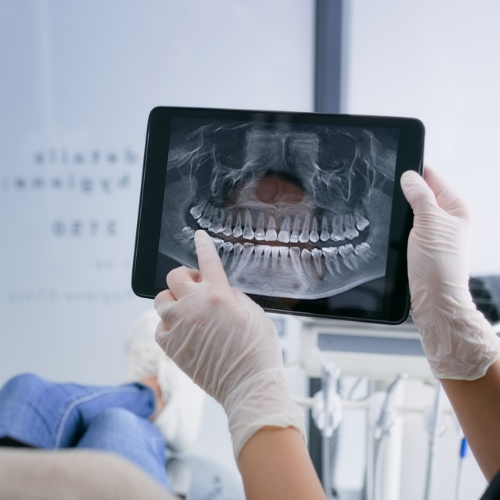
The first step in treating interproximal cavities is their detection, which is usually achieved through dental x-rays. These images allow dentists to see the extent of decay and plan an effective treatment strategy. Regular dental check-ups are vital for early detection, as these cavities are not easily visible during a standard oral examination.
Once an interproximal cavity is identified, our clinic employs a meticulous procedure to address the decay. This process typically involves the following steps:
Anesthesia: To ensure patient comfort, a local anesthetic is administered to numb the area around the affected tooth.
Decay Removal: Specialized dental tools are used to carefully remove the decayed portion of the tooth. This step is crucial to halt the progression of decay and to prepare the tooth for restoration.
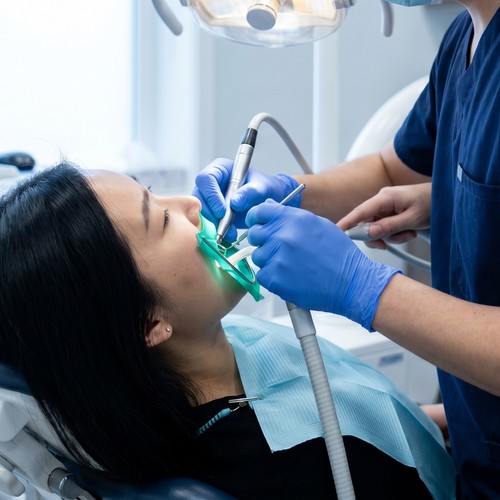
Tooth Isolation: Given the location of interproximal cavities, isolating the tooth from saliva and other elements in the mouth is essential. This is often achieved using a dental dam, which keeps the area dry and clean during the procedure.
Filling Application: After decay removal, the cavity is filled with a suitable dental material. The choice of material depends on several factors, including the cavity's size, location, and the patient's preference. Common filling materials include dental amalgam, composite resin, and glass ionomer. Each of these materials has its advantages, and our dental professionals help patients choose the best option for their specific case.
Shaping and Polishing: The filling is then shaped to match the natural contours of the tooth, ensuring a comfortable bite. It is then polished to a smooth finish, restoring the tooth's appearance and function.
Post-Treatment Care: After the procedure, patients receive instructions on how to care for their newly filled tooth and general guidance on maintaining good oral hygiene to prevent future cavities.
In addition to treating existing interproximal cavities, we emphasize the importance of preventive care. Regular brushing with fluoride toothpaste, flossing, and using interdental brushes are crucial in preventing plaque buildup between teeth. Additionally, routine dental check-ups and cleanings play a vital role in maintaining overall dental health and catching potential issues early.
Interproximal cavities, while challenging, can be effectively managed with the right approach and expertise. Our clinic is dedicated to providing comprehensive care, from detection to treatment, ensuring your dental health is in the best hands.
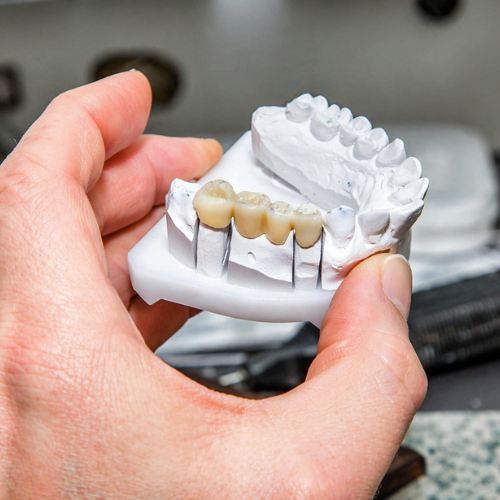
The lifespan of dental fillings varies based on the material used, the size of the filling, and the patient's oral habits.
Types of Fillings: Materials like amalgam, composite, and gold have different durability. For example, amalgam fillings can last up to 15 years, while composite fillings might need replacement sooner.
Maintaining Your Fillings: Regular dental check-ups are crucial to monitor the condition of fillings and to determine when they need replacement.
Cavities and fillings are a significant aspect of dental health. Understanding these topics and seeking timely dental care are essential steps in maintaining a healthy smile. If you have concerns about cavities or fillings, we encourage you to schedule a consultation with our clinic. Our team is dedicated to providing expert care and guidance for all your dental needs.
Remember, your smile is worth it!
Fresh news from the dental world...




Mon - Fri 9AM - 6PM
Saturday 9AM - 3PM
Sunday Closed
Check out what our patients are saying in Bellflower, CA...


“Great customer service!”
Great customer service and attentive staff! My 3 year old enjoyed his visit! Yes, I said he enjoyed it! He had to have X-rays done, and I was so worried that he wasn't gonna be a happy camper but the X-ray tech, Dominique, is so good with kids! The X-rays were fast and painless! Overall a great experience!

“Surpasses my expectations!”
Amazing staff! My experience at Bellflower Dental Group was outstanding. I highly recommend this dental group. I come to them for my braces, their ortho is incredible, the highlight of this dental group. The staff is amazing, their employees are so kind and take the time to perfect your braces.

“I love this dental office!”
I have been coming here for years. It is a one-stop-shop! You can get your x-rays, cleaning, braces, labs, dentures, toothbrushes, and more all right here. The staff is great, and they try to work with you if you need a payment plan. Never had any issues with any of the work done here!
“Great customer service!”
Great customer service and attentive staff! My 3 year old enjoyed his visit! Yes, I said he enjoyed it! He had to have X-rays done, and I was so worried that he wasn't gonna be a happy camper but the X-ray tech, Dominique, is so good with kids! The X-rays were fast and painless! Overall a great experience!
“Surpasses my expectations!”
Amazing staff! My experience at Bellflower Dental Group was outstanding. I highly recommend this dental group. I come to them for my braces, their ortho is incredible, the highlight of this dental group. The staff is amazing, their employees are so kind and take the time to perfect your braces.
Check out our accreditations, sources, and relationships in the wide world of dentistry...


Check us out and follow our Bellflower, CA practice on social media...


