
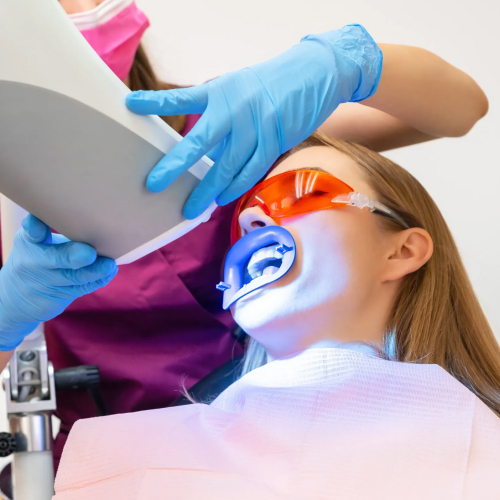
Professional Teeth Whitening vs. DIY: What's Actually Safer?
Discover if professional teeth whitening is safer than DIY methods. Compare in-office results to home kits and toothpaste. Schedule your consultation now!
Read More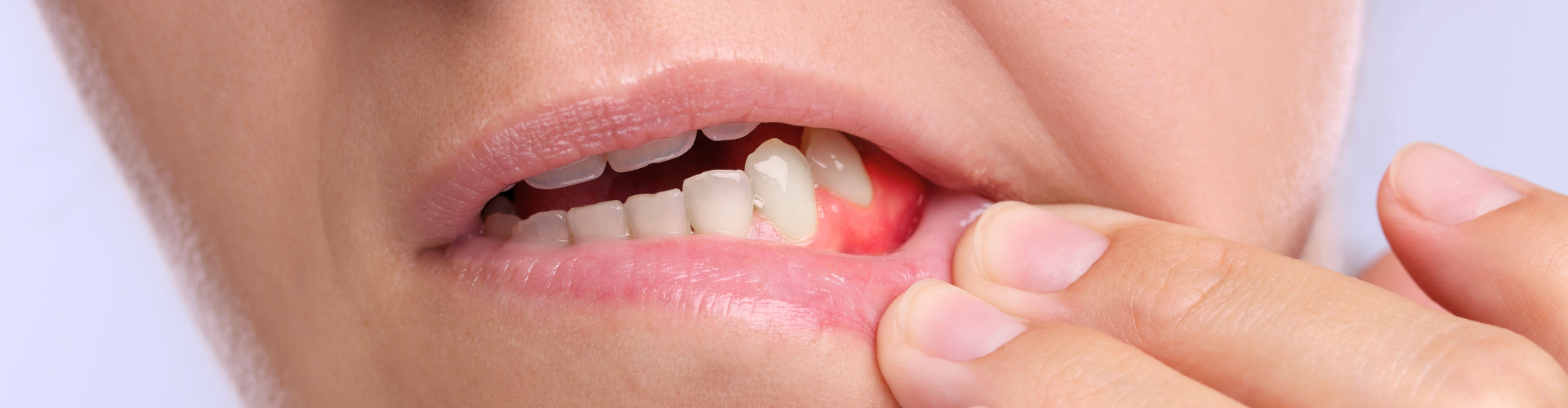
Most people think of tooth loss as something sudden. A bad cavity. An accident. A cracked tooth that could not be saved. What often goes unnoticed is that the most common cause of adult tooth loss happens slowly, quietly, and without much pain in the early stages.
Gum disease does not usually start with a dramatic symptom. It starts with mild inflammation, slight bleeding when brushing, or gums that feel a bit tender. Over time, if it is ignored, that inflammation spreads deeper, damaging the very structures that hold your teeth in place. By the time teeth begin to loosen or fall out, the damage has often been happening for years.
At Bellflower Dental Group, we see this pattern often. Patients are surprised to learn that their tooth loss did not begin with the tooth itself, but with the gums and bone supporting it. Understanding how this process works is one of the most powerful steps toward preventing it.
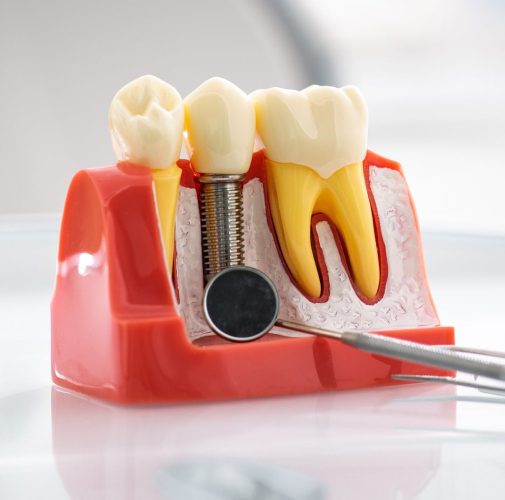
Your teeth are not anchored directly into solid bone like nails into wood. They are supported by a complex system designed to absorb pressure, allow flexibility, and protect your jaw over a lifetime.
To understand how gum disease leads to tooth loss, it helps to know what is at risk.
The main structures that keep teeth stable include:
Gum disease begins when plaque bacteria build up along the gumline. If plaque is not removed regularly, it hardens into tartar, which cannot be brushed away at home. This buildup triggers inflammation in the gums, known as gingivitis.
In the early stage:
When gingivitis is not treated, bacteria travel below the gumline. This is when the real damage begins.
As the disease progresses into periodontitis:
Over time, this inflammatory response starts breaking down bone and connective tissue. The periodontal ligament weakens. Bone that once held teeth firmly in place begins to shrink away.
Key damage caused by advanced gum disease includes:
What makes this process especially dangerous is how quietly it happens. Many patients do not feel pain while bone loss is occurring. By the time symptoms are obvious, significant support may already be gone.
Yes, and it is one of the most common reasons adults lose teeth.
Teeth do not usually fall out overnight. Instead, they loosen gradually as their foundation erodes. Think of a fence post placed in soil that slowly washes away. The post does not break. It becomes unstable because the ground supporting it disappears.
The same thing happens with untreated gum disease.
As bone loss continues:
Eventually, the tooth loses so much support that it can no longer function properly. At this stage, even normal chewing forces can cause pain or further damage. Sometimes the tooth must be removed to prevent infection from spreading.
It is also important to understand that gum disease rarely affects just one tooth. Because it is driven by bacteria and inflammation, it often impacts multiple teeth at once.
Untreated gum disease can lead to:
Once teeth are lost, the jawbone continues to shrink in those areas. This bone loss can affect facial structure, cause neighboring teeth to shift, and make future tooth replacement more complex.
The good news is that tooth loss from gum disease is often preventable when caught early. Even in more advanced cases, treatment can slow or stop progression and help preserve remaining teeth.
Gum disease is often described as silent, but the body usually gives signals along the way. The challenge is recognizing them before irreversible damage occurs.
Some signs are obvious. Others are subtle and easy to dismiss.
Early warning signs may include:
As gum disease advances, symptoms become more noticeable.
More serious signs that teeth may be at risk include:
It is important not to wait for pain before seeking care. Gum disease can cause significant damage without causing sharp discomfort. By the time pain appears, bone loss may already be advanced.
Regular dental exams allow your dentist to:
At Bellflower Dental Group, we focus on early detection and practical treatment plans that fit each patient’s needs. The goal is not just to treat disease, but to protect long term oral health.
One reason gum disease leads to so much tooth loss is that many people underestimate it. Cavities feel urgent. Broken teeth feel obvious. Bleeding gums often feel minor.
There is also a misconception that gum disease only affects older adults. In reality, it can begin at any age, especially when oral hygiene routines are inconsistent or when risk factors are present.
Common risk factors include:
Understanding these risks allows patients to take a more proactive role in prevention.
Early treatment can make a significant difference.
When gum disease is caught in its initial stages:
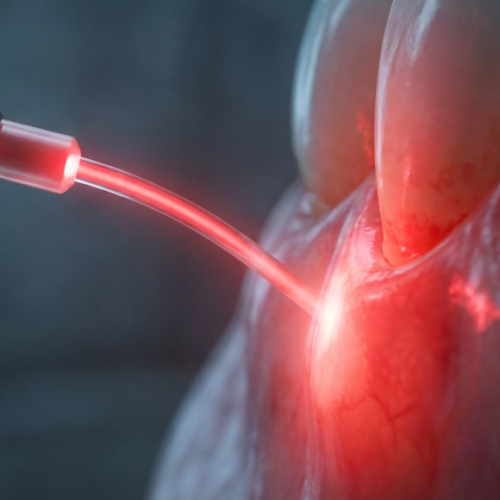
Treatment may include professional cleanings, deep cleaning below the gumline, personalized home care routines, and regular monitoring.
In more advanced cases, treatment focuses on stopping further damage and preserving as much support as possible.
The key is timing. The earlier gum disease is addressed, the better the outcome.
Healthy teeth depend on healthy gums. Brushing and flossing are essential, but they are only part of the picture. Professional care allows problems to be identified long before teeth are at risk.
If you have noticed bleeding gums, changes in how your teeth feel, or simply have not had a dental exam in a while, it may be time to take a closer look.
At Bellflower Dental Group, we believe prevention and education are just as important as treatment. Our team takes the time to explain what is happening and what can be done to protect your smile.
Fresh news from the dental world...




Mon - Fri 9AM - 6PM
Saturday 9AM - 3PM
Sunday Closed
Check out what our patients are saying in Bellflower, CA...


“Great customer service!”
Great customer service and attentive staff! My 3 year old enjoyed his visit! Yes, I said he enjoyed it! He had to have X-rays done, and I was so worried that he wasn't gonna be a happy camper but the X-ray tech, Dominique, is so good with kids! The X-rays were fast and painless! Overall a great experience!

“Surpasses my expectations!”
Amazing staff! My experience at Bellflower Dental Group was outstanding. I highly recommend this dental group. I come to them for my braces, their ortho is incredible, the highlight of this dental group. The staff is amazing, their employees are so kind and take the time to perfect your braces.

“I love this dental office!”
I have been coming here for years. It is a one-stop-shop! You can get your x-rays, cleaning, braces, labs, dentures, toothbrushes, and more all right here. The staff is great, and they try to work with you if you need a payment plan. Never had any issues with any of the work done here!
“Great customer service!”
Great customer service and attentive staff! My 3 year old enjoyed his visit! Yes, I said he enjoyed it! He had to have X-rays done, and I was so worried that he wasn't gonna be a happy camper but the X-ray tech, Dominique, is so good with kids! The X-rays were fast and painless! Overall a great experience!
“Surpasses my expectations!”
Amazing staff! My experience at Bellflower Dental Group was outstanding. I highly recommend this dental group. I come to them for my braces, their ortho is incredible, the highlight of this dental group. The staff is amazing, their employees are so kind and take the time to perfect your braces.
Check out our accreditations, sources, and relationships in the wide world of dentistry...


Check us out and follow our Bellflower, CA practice on social media...


