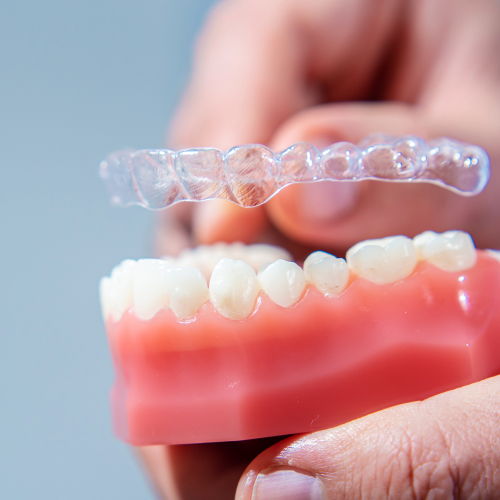
Why Your Invisalign Trays Aren't Fitting Right — and What to Do About It
Struggling with Invisalign gaps or tracking issues in Bellflower? Learn what's normal, what's not, and when refinements may help. Call us today.
Read More
Experiencing dental pain can be not only uncomfortable but also alarming. Understanding what causes this discomfort and knowing how to manage it effectively can alleviate your anxiety and help you make informed decisions about your oral health. In this blog, we'll tackle some of the most common questions patients have about dental emergencies, focusing on nerve pain in the tooth, chronic toothaches, and gum pain.
Tooth nerve pain can be sharp, throbbing, or constant, and it typically signals an underlying issue that needs attention. If you're experiencing sudden nerve pain, here are a few steps you can take to mitigate it temporarily:
Cold Compress: Applying a cold compress to the face near the affected area can help reduce swelling and numb the pain.
Salt Water Rinse: Swishing with warm salt water can cleanse the area and reduce swelling, offering some temporary relief.
Over-the-Counter Pain Relievers: Medications like ibuprofen can decrease inflammation and pain, but be sure to use as directed.
Avoid Certain Foods: Stay away from overly hot, cold, or sugary foods, as they can exacerbate the pain.
It’s important to note that these methods are for temporary relief. The definitive way to stop nerve pain in your tooth is to consult with a dental professional who can diagnose the cause of the pain and recommend appropriate treatment, such as fillings, root canals, or other interventions.
A persistent toothache is more than just a nuisance; it's a sign that something significant is amiss with your oral health. Achieving permanent relief often requires professional dental treatment. Here’s a detailed look at the common procedures that might be recommended based on the underlying cause of your toothache:
Dental Fillings and Crowns: When tooth decay leads to cavities, fillings are used to restore the tooth's structure and prevent further decay. If the damage to the tooth is extensive, a crown may be necessary. Crowns are custom-fitted caps that cover the entire tooth, restoring its shape, size, strength, and appearance. These treatments not only repair the existing damage but also prevent future issues by sealing off potential entry points for bacteria.
Root Canal Therapy: This procedure is crucial if your toothache is due to an infection in the tooth’s pulp, which contains nerves and blood vessels. During a root canal, the dentist removes the infected pulp, cleans the root canal space thoroughly to eliminate bacteria, and then fills and seals the canal to prevent re-infection. Following the root canal, a crown is often placed over the tooth to protect its structure and restore functionality. Root canal therapy is highly successful in relieving severe tooth pain and saving the tooth from extraction.
Tooth Extraction: Sometimes, if a tooth is severely damaged or decayed beyond repair, or if an infection is too great to be resolved with a root canal, extraction may be the best solution. Removing the problematic tooth can alleviate pain and prevent the spread of infection to adjacent teeth or other areas of the mouth. Post-extraction, there are several options for replacing the lost tooth, such as implants or bridges, which help maintain the alignment of remaining teeth and restore full functionality.
Gum Disease Treatment: Sometimes, what feels like a toothache is actually pain emanating from the gums or bone due to gum disease. Treatments for gum disease can vary from scaling and root planing, which clean the pockets around teeth to prevent damage to surrounding bone, to more advanced procedures like flap surgery or bone and tissue grafts.
Prevention is always better than cure. To prevent toothaches, it's crucial to maintain regular dental check-ups. These allow your dentist to catch and address potential issues before they escalate into serious problems. Good oral hygiene practices, such as brushing twice a day with fluoride toothpaste, flossing daily, and using an antimicrobial mouthwash, are essential. These habits help to minimize the buildup of plaque, which can lead to tooth decay and gum disease, the primary culprits behind dental pain.
Remember, the longer you wait to address a toothache, the more complex and costly the treatment can become. Regular dental visits and proper oral hygiene are your first line of defense against persistent tooth pain.
Gum pain is a frequent issue in dental health, caused by a range of factors that affect the soft tissues of the mouth. Understanding these causes can help in effectively addressing and treating gum pain:
Gingivitis: This is the initial stage of gum disease, characterized by inflammation of the gums. It typically results from plaque—a sticky film of food debris, bacteria, and saliva—building up on the teeth and gums. If not removed by regular brushing and flossing, plaque can harden into tartar, exacerbating gum irritation and leading to red, swollen, and bleeding gums.
Periodontitis: If gingivitis is left untreated, it can advance to periodontitis, a more severe form of gum disease. This condition affects not only the gums but also the bone that supports the teeth. Periodontitis can cause gums to pull away from the teeth, forming pockets that may become infected. Over time, this process can lead to the destruction of the gum tissue and bone, potentially causing teeth to loosen or fall out.
Canker Sores: Also known as aphthous ulcers, canker sores are small, shallow lesions that develop on the soft tissues in your mouth or at the base of your gums. They can be very painful and are often round or oval with a white or yellow center and a red border. The exact cause of canker sores is still not fully understood, but they may be triggered by factors such as stress, minor mouth injuries, acidic or spicy foods, and vitamin deficiencies.
Hormonal Changes: Fluctuations in hormones, such as those during pregnancy, menstruation, puberty, and menopause, can affect the blood flow to the gums, making them more sensitive, swollen, and more prone to bleeding.
Improper Flossing or Brushing Techniques: Brushing too hard or using a hard-bristled toothbrush can irritate or damage the gums. Similarly, improper flossing can also lead to problems, especially if the floss is snapped harshly between the teeth, cutting or bruising the gums.
Medication: Certain medications can affect oral health by diminishing saliva flow, which has a protective effect on the mouth. Without enough saliva, the mouth is vulnerable to infections such as gum disease. Some medications can also cause abnormal gum tissue growth, adding to discomfort.
Nutritional Deficiencies: Lack of essential nutrients, particularly vitamins B and C, can impair oral health. Vitamin C, for example, plays a crucial role in maintaining the integrity of the gums. A deficiency can lead to scurvy, which manifests in severe gum disease.
Dental Appliances or Misaligned Teeth: Poorly fitting dental appliances, such as braces or dentures, can also trigger gum pain. Additionally, misaligned teeth might promote plaque accumulation, making it harder to clean certain areas, which contributes to gum issues.
Treatment for gum pain depends greatly on the underlying cause. Simple cases might only require a professional cleaning and improved dental hygiene at home. More severe instances could necessitate medication, advanced cleaning techniques, or even surgical interventions. Maintaining regular dental visits is crucial, as these not only help treat symptoms but also address the root causes of gum pain. By combining professional care with diligent at-home oral hygiene, you can significantly mitigate and even prevent the discomfort associated with gum pain.
Experiencing any form of dental pain is your body's way of signaling that something is not right. While temporary measures might provide short relief, visiting a dental professional is crucial for a long-term solution. Don't wait for the pain to become unbearable. Schedule an appointment with our dental office today, and let us help you achieve and maintain optimal oral health. We're here to provide expert care tailored to your unique dental needs. Call us or visit our website to book your consultation and take the first step towards a pain-free smile!
Fresh news from the dental world...








Mon - Fri 9AM - 6PM
Saturday 9AM - 3PM
Sunday Closed
Check out what our patients are saying in Bellflower, CA...


“Great customer service!”
Great customer service and attentive staff! My 3 year old enjoyed his visit! Yes, I said he enjoyed it! He had to have X-rays done, and I was so worried that he wasn't gonna be a happy camper but the X-ray tech, Dominique, is so good with kids! The X-rays were fast and painless! Overall a great experience!

“Surpasses my expectations!”
Amazing staff! My experience at Bellflower Dental Group was outstanding. I highly recommend this dental group. I come to them for my braces, their ortho is incredible, the highlight of this dental group. The staff is amazing, their employees are so kind and take the time to perfect your braces.

“I love this dental office!”
I have been coming here for years. It is a one-stop-shop! You can get your x-rays, cleaning, braces, labs, dentures, toothbrushes, and more all right here. The staff is great, and they try to work with you if you need a payment plan. Never had any issues with any of the work done here!
“Great customer service!”
Great customer service and attentive staff! My 3 year old enjoyed his visit! Yes, I said he enjoyed it! He had to have X-rays done, and I was so worried that he wasn't gonna be a happy camper but the X-ray tech, Dominique, is so good with kids! The X-rays were fast and painless! Overall a great experience!
“Surpasses my expectations!”
Amazing staff! My experience at Bellflower Dental Group was outstanding. I highly recommend this dental group. I come to them for my braces, their ortho is incredible, the highlight of this dental group. The staff is amazing, their employees are so kind and take the time to perfect your braces.
Check out our accreditations, sources, and relationships in the wide world of dentistry...


Check us out and follow our Bellflower, CA practice on social media...


