Dental implants represent a significant investment, not just in terms of financial cost, but also in the time and commitment they require. Therefore, it’s vital to ensure that your dental implants last as long as possible, ideally a lifetime. In this blog post, we aim to provide you with the knowledge and tips you need to maximize your dental investment. We'll cover the potential downsides of dental implants, the possibility of your body rejecting an implant, and how long a dental implant can last.
The Promise of Dental Implants
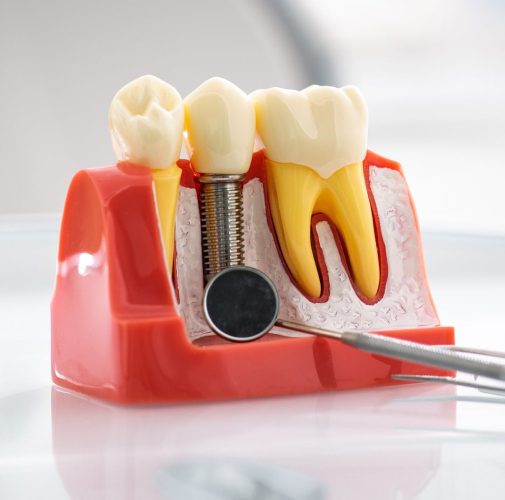
Dental implants have been a revolutionary solution in restorative dentistry. They serve as a replacement for the root of your missing tooth and are typically made from titanium due to its durability and compatibility with human tissues. Once in place, the bone around the implant grows and holds it firmly in position, providing a sturdy base for the replacement tooth. Dental implants not only restore your smile but also maintain the structural integrity of your jaws, preventing bone loss which often occurs with missing teeth.
What is the Downside of Dental Implants?
Despite the numerous advantages of dental implants, it's also important to consider the potential downsides. Here are a few to consider:
-
Time Consuming Procedure: The dental implant process can be lengthy, typically taking several months from initial consultation to final restoration. This is to ensure proper healing and integration of the implant with your jawbone.
-
Requires Surgery: Dental implant placement is a surgical procedure, which carries inherent risks such as infection, nerve damage, and sinus complications. However, these risks are generally low and can be minimized with an experienced dental surgeon and proper post-operative care.
-
Cost: Dental implants tend to be more expensive than other tooth replacement options. However, considering their longevity and the overall benefits to oral health, many find this to be a worthy investment.
Can Your Mouth Reject an Implant?
While it's not common, there are instances where the body doesn't accept a dental implant, a situation referred to as "implant failure." This rejection could occur due to several reasons:
-
Inadequate Bone Support: For an implant to be successful, there needs to be enough healthy bone to support it. If the bone quality or quantity is insufficient, the implant may fail.
-
Infection: Infection at the implant site, often due to poor oral hygiene post-surgery, can cause implant failure.
-
Medical Conditions: Certain systemic diseases, such as diabetes or osteoporosis, can interfere with healing and bone growth, potentially leading to implant failure.
-
Smoking: Smoking hinders the healing process, significantly increasing the risk of implant failure.
However, with careful planning, precise surgical techniques, and thorough aftercare, the risk of your body rejecting an implant can be greatly reduced.
How Long Does a Dental Implant Last?
Dental implants are engineered to provide a permanent solution to tooth loss. They're not merely temporary fixes but are designed to last and to significantly improve your quality of life by restoring both functionality and aesthetics.
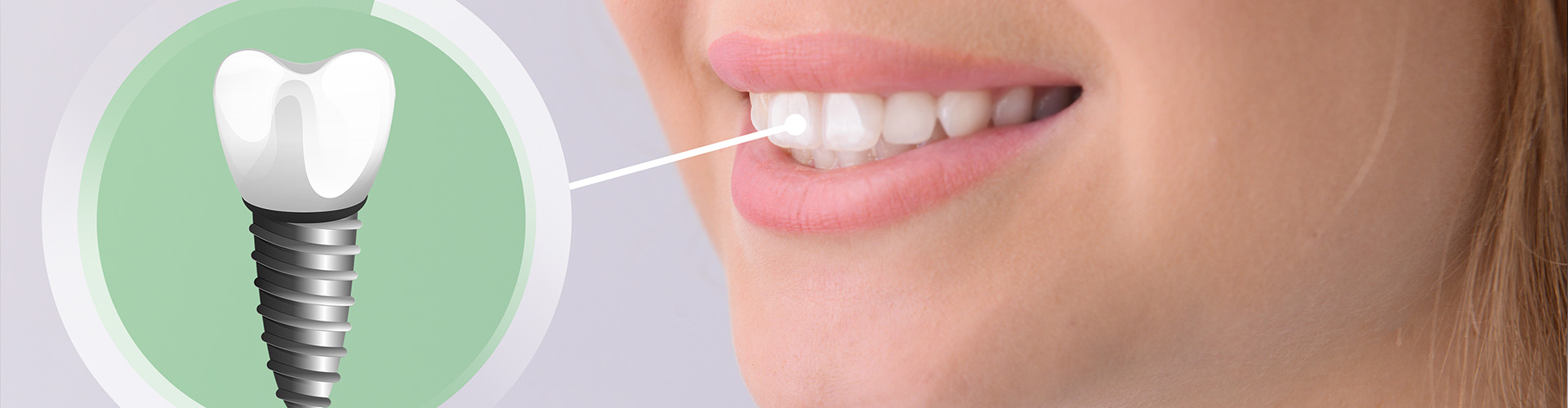
When considering the lifespan of dental implants, it's important to remember that they are composed of two main parts: the titanium implant itself that acts as your new tooth root, and the dental crown, which serves as the visible part of your tooth.
The titanium implant is extraordinarily durable. When correctly placed by a dental professional and accepted by the body, the implant can last a lifetime. This is largely due to the biocompatible properties of titanium, allowing it to effectively fuse with your jawbone in a process known as osseointegration. Once this fusion has occurred, the implant is typically there to stay, providing a sturdy and lasting foundation for the artificial tooth.
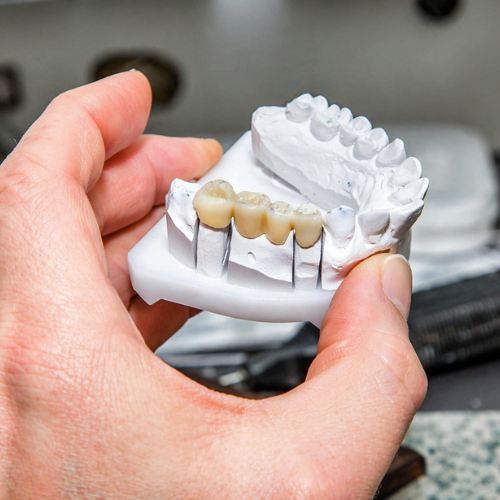
However, the dental crown, while highly resilient, may not last forever. On average, with good oral hygiene and regular check-ups, a dental crown can last between 10 to 15 years. The lifespan can vary depending on the material used for the crown, the location of the implant in your mouth, and the stresses placed on it. Certain behaviors, such as teeth grinding or clenching, can also wear down the crown faster.
So, when we talk about how long a dental implant lasts, it's crucial to differentiate between the longevity of the titanium implant (which can last a lifetime) and the dental crown. Replacing a worn-out crown is a relatively simple procedure that doesn't involve surgery, and it is a routine part of maintaining your dental implant.
Tips to Make Implants Last a Lifetime
Let's delve into some key ways you can help ensure the longevity of your dental implants.
-
Maintain Excellent Oral Hygiene: Just like your natural teeth, dental implants need regular cleaning. Brushing twice a day, flossing daily, and using an antimicrobial mouthwash can help prevent plaque buildup.
-
Regular Dental Checkups: Regular dental checkups allow your dentist to monitor your oral health and the condition of your implant. Professional cleanings also help to remove any plaque or tartar build-up.
-
Avoid Smoking and Excessive Alcohol: Smoking and heavy drinking can interfere with the healing process and negatively affect the health of your gums and bones, potentially leading to implant failure.
-
Eat a Balanced Diet: A balanced diet promotes overall health, including your oral health. Foods rich in calcium, vitamin D, and phosphorus can help maintain strong bones and teeth.
-
Use a Nightguard if You Grind Your Teeth: Teeth grinding, or bruxism, can put pressure on your implant and cause damage. If you grind your teeth, using a nightguard can help protect your implant.
Conclusion
As we've discussed, dental implants are a remarkable solution for tooth loss, providing not only aesthetic benefits but also promoting better oral health. While they do come with potential downsides, the benefits often far outweigh the risks, especially when you choose a qualified, experienced dental surgeon and adhere to proper post-operative care.
Ultimately, the longevity of your dental implants is greatly influenced by your oral hygiene and lifestyle habits. With proper care, your dental implants can indeed last a lifetime, making them a wise investment in your dental health.
If you're considering dental implants or if you have any concerns about your existing implants, don't hesitate to reach out to our dental clinic. We'd be happy to schedule a consultation to discuss your specific needs and to ensure your smile lasts a lifetime. Remember, investing in your dental health today will pay dividends in your overall health and well-being tomorrow.